
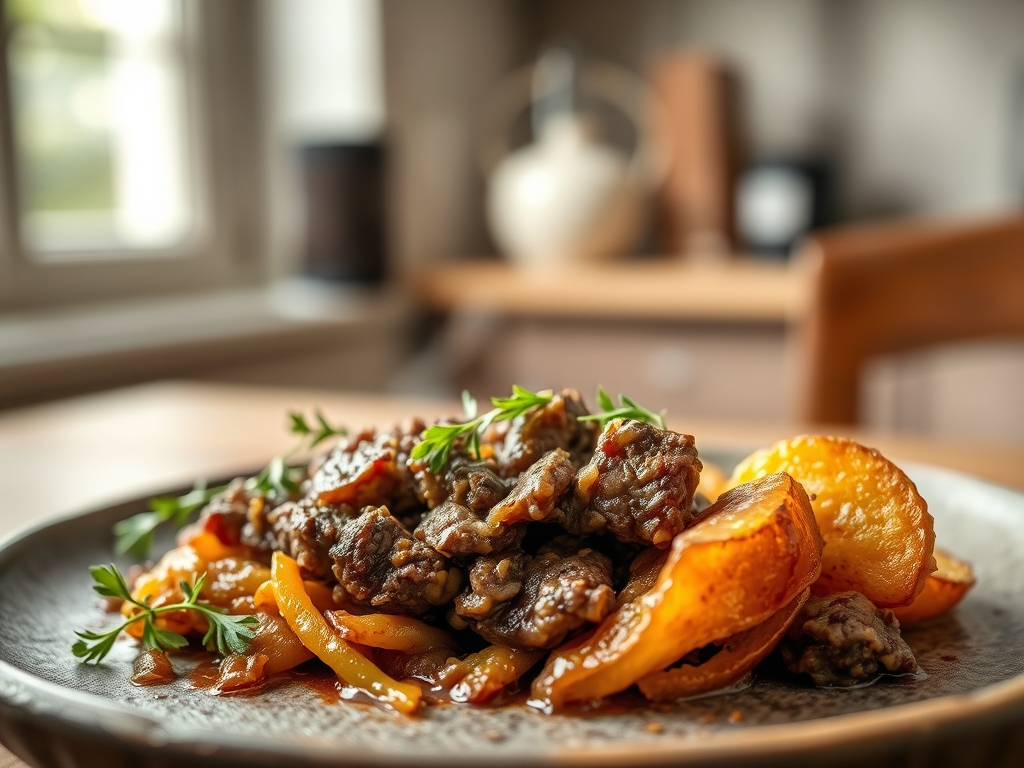
Picture the sound of a heavy-bottomed skillet meeting a high-output flame. There is that specific, sharp hiss as cold protein hits a shimmering layer of oil; it is the definitive sound of a meal worth eating. When the clock is ticking toward noon, you need lunch ground beef recipes that deliver maximum flavor with minimal drag. Ground beef is the ultimate culinary chameleon. It transforms from a humble block of protein into a sophisticated, savory base in under fifteen minutes. Whether you are craving the piquant kick of a Korean-inspired bowl or the comforting richness of a quick ragu, the secret lies in the science of the sear. We are moving beyond the boring burger. We are going to harness the power of rapid heat to create lunches that feel like a luxury reward for surviving your morning meetings. Grab your favorite apron and your sharpest chef knife. We are about to turn your kitchen into a high-efficiency flavor lab where speed meets technical precision.
The Gathers:
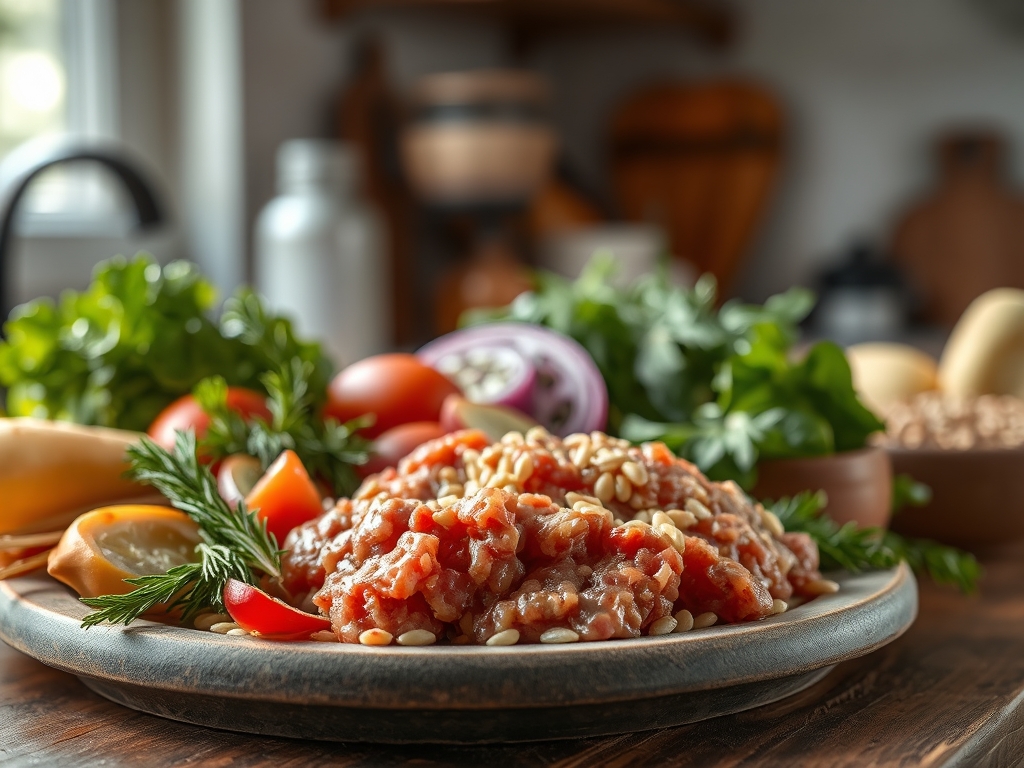
Setting your stage, or mise-en-place, is the difference between a frantic kitchen and a fluid one. For these lunch ground beef recipes, you want a fat-to-lean ratio of 80/20. This allows the beef to render enough tallow to fry the aromatics without becoming overly greasy. You will need high-impact aromatics: fresh ginger, garlic cloves, and shallots. Use a microplane to grate your ginger into a fine paste; this increases the surface area and allows the essential oils to infuse the oil instantly.
For the liquid components, keep a high-quality soy sauce, toasted sesame oil, and a bottle of dry sherry or rice vinegar on standby to deglaze the pan. If you are looking for smart substitutions, you can swap the beef for ground bison if you want a leaner, more iron-rich profile. For a keto-friendly swap, replace brown sugar in sauces with a drop of liquid monk fruit. If you are gluten-free, tamari is your best friend. Always have a digital scale nearby to portion your beef into 4-ounce increments. This ensures even cooking and perfect macro-tracking for your midday fuel.
The Clock:
The "Chef's Flow" is all about overlapping tasks to minimize downtime. These recipes are designed to move from fridge to fork in exactly 18 minutes. Spend the first 4 minutes on prep: dicing vegetables and whisking your sauce. The next 8 to 10 minutes are for the "Active Cook." This is where you focus on the Maillard reaction. The final 4 minutes are for "The Rest." Even a quick stir-fry benefit from a moment of thermal equilibrium. By the time you have wiped down your bench scraper and put the lid back on the sesame seeds, lunch is served.
The Masterclass:
1. The Thermal Foundation
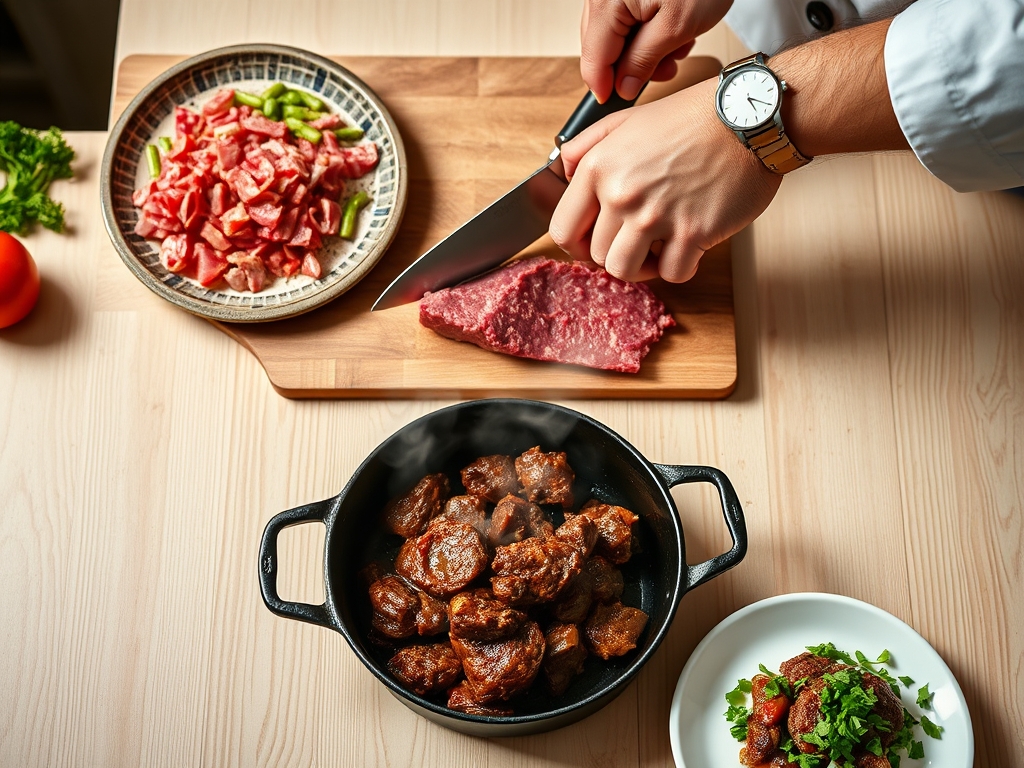
Heat your cast iron or stainless steel skillet until a drop of water dances on the surface. Add a high-smoke-point oil like avocado oil. Place the beef in the center but do not break it up immediately. Let it sit undisturbed for two minutes to develop a deep, mahogany crust.
Pro Tip: This is the Maillard reaction in action. By resisting the urge to stir, you allow amino acids and reducing sugars to create hundreds of different flavor compounds that simply do not exist in steamed or gray meat.
2. The Deglaze and Emulsify
Once the beef is browned, use tongs to toss in your aromatics. After sixty seconds, pour in your liquid base. Use a wooden spoon to scrape the "fond" (the brown bits) off the bottom of the pan.
Pro Tip: Deglazing is a chemical process where the liquid dissolves the caramelized proteins. As the liquid reduces, the fats and water-based sauces emulsify, creating a viscous, glossy coating that clings to every morsel of meat.
3. The Aerate and Finish
Turn off the heat and fold in your fresh herbs or leafy greens like spinach or bok choy. Use a saucier if you are making a more liquid-heavy dish to ensure even heat distribution.
Pro Tip: This utilizes thermal carryover. The residual heat in the beef is enough to wilt greens without destroying their cellular structure or vibrant color. This keeps the texture crisp and the nutrients intact.
The Deep Dive:
When we look at the macro nutrition of these lunch ground beef recipes, we are looking at a powerhouse of bioavailable protein, B12, and zinc. A standard 4-ounce serving provides roughly 28 grams of protein. To keep this balanced, pair your beef with complex carbohydrates like quinoa or cauliflower rice to manage blood glucose levels.
Dietary Swaps
For my vegan friends, a mixture of pulsed walnuts and mushrooms mimics the texture of ground beef while offering a rich umami profile. If you are following a strict Keto protocol, serve your beef over shredded cabbage sautéed in butter to keep the fat-to-carb ratio optimized.
The Fix-It
- The Greasy Bowl: If your beef released too much fat, do not pour it down the drain. Use a folded paper towel held by tongs to blot the excess tallow from the pan before adding your sauce.
- The Gray Meat: This happens when the pan is overcrowded. The moisture cannot escape and turns to steam. Fix this by cooking in two batches or using a larger skillet.
- The Salt Bomb: If you over-seasoned, add a splash of acid like lime juice or rice vinegar. The acid masks the perception of excess salt on the palate.
Meal Prep Science
To maintain "day-one" quality when reheating, add a teaspoon of water or beef bone broth to your container before microwaving. This creates a steam chamber that prevents the proteins from becoming rubbery. Cover tightly to trap the moisture and reheat at 70 percent power to ensure the centers get warm without overcooking the edges.
The Wrap-Up:
You now have the technical blueprint to dominate your lunch hour. Ground beef is not just a staple; it is a high-speed vehicle for global flavors and precision nutrition. By mastering the sear and understanding the chemistry of the deglaze, you have elevated a simple meal into a culinary event. No more sad sandwiches or lukewarm leftovers. You are the chef of your own midday break, and the results are going to be absolutely delicious. Go forth and sear with confidence!
The Kitchen Table:
How do I stop ground beef from getting tough?
Avoid over-handling the meat before it hits the pan. Over-working the protein can lead to a dense, rubbery texture. Cook it over high heat quickly and allow it to rest for two minutes to let the juices redistribute through the fibers.
Can I cook ground beef straight from the freezer?
It is not recommended for the best texture. Thawing allows for an even sear. However, if you must, use a low heat to defrost in the pan first, then drain the excess moisture before cranking the heat to initiate the Maillard reaction.
What is the best way to store leftover beef?
Place the cooked beef in an airtight glass container within two hours of cooking. It will stay fresh in the refrigerator for up to four days. For longer storage, freeze it in vacuum-sealed bags to prevent oxidation and freezer burn.
Why does my beef look gray instead of brown?
Gray meat is a result of steaming rather than searing. This happens if the pan is not hot enough or if you crowd the skillet. Ensure the pan is shimmering hot and cook in smaller batches to allow moisture to evaporate.