
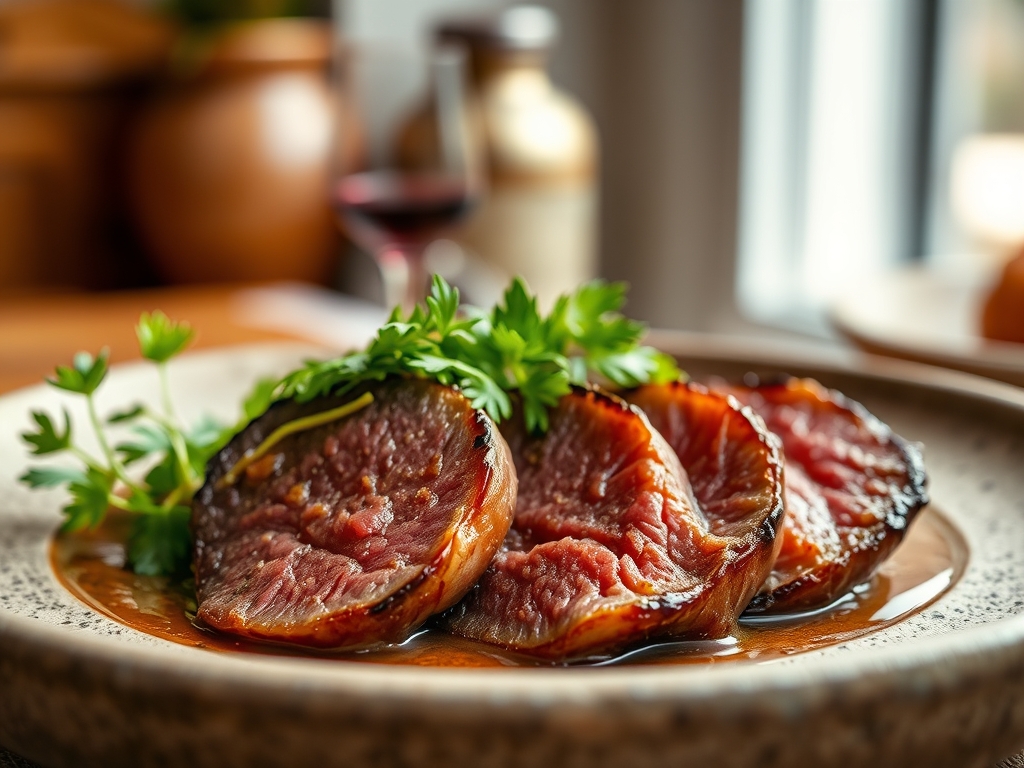
The scent of searing iron and toasted fat hits you before the pan even begins to smoke. We have all been there; staring at a lean, affordable cut of meat and wondering if it will turn into a succulent masterpiece or a piece of weathered leather. Mastering round beef recipes is the ultimate culinary flex because it requires you to understand the delicate balance between muscle fiber tension and moisture retention. This is not just cooking; it is a strategic negotiation with protein structures to ensure every bite is buttery and rich.
When you learn to navigate the lean landscape of the eye of round or the top round, you unlock a world of high-protein, low-fat dining that tastes like pure luxury. We are moving past the days of dry, gray pot roasts. Today, we are using thermodynamic principles and enzymatic tenderization to transform these cuts into the stars of your weekly rotation. Whether you are slicing it paper-thin for a piquant carpaccio or slow-braising it into a viscous, velvet-like ragu, these round beef recipes are about to become your kitchen's secret weapon.
The Gathers:
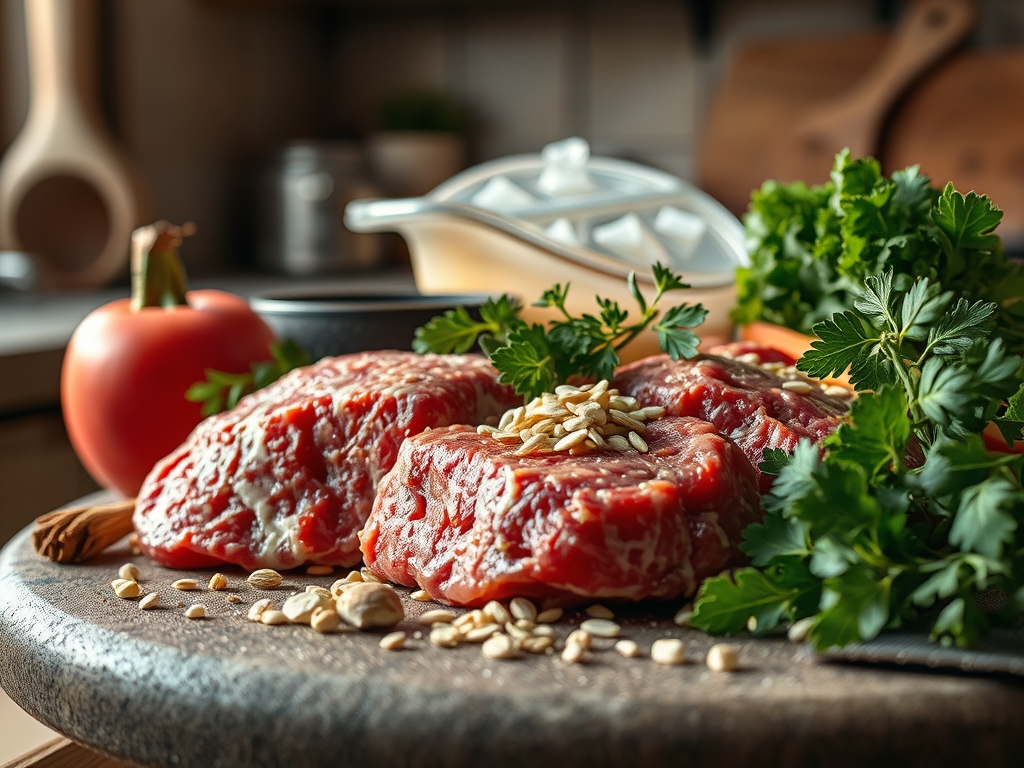
To execute these round beef recipes with precision, your mise-en-place must be as organized as a laboratory. Start with the centerpiece: three to four pounds of top round or eye of round, ideally tempered to room temperature to prevent thermal shock. You will need a high-smoke-point lipid, such as avocado oil or clarified butter, to facilitate the Maillard reaction without scorching.
For the aromatic base, gather finely diced mirepoix (carrots, celery, and onions) and a head of garlic to be crushed with a heavy-bottomed skillet. To deglaze and build a complex flavor profile, keep a dry red wine like Cabernet Sauvignon or a splash of balsamic vinegar nearby. Professional tools are non-negotiable here; have your digital scale ready for precise seasoning and a microplane for zesting citrus or grating fresh horseradish to add a piquant finish.
Smart Substitutions: If you are avoiding alcohol, a high-quality beef bone broth infused with a tablespoon of Worcestershire sauce provides the necessary acidity and umami. For those looking to swap the beef itself, thick-cut portobello mushrooms or seitan steaks can mimic the density of round cuts, though you will need to increase the fats to compensate for the lack of natural marbling.
The Clock: Timing the Chef's Flow
Efficiency in the kitchen is about managing the "Chef's Flow," which is the sequence of tasks that minimizes downtime. For most round beef recipes, expect a 20-minute active prep phase. This includes trimming silver skin with a sharp boning knife and patting the meat bone-dry to ensure optimal searing.
The cooking duration varies wildly based on your method. A high-heat sear followed by a low-temperature roast might take 60 to 90 minutes; however, a low-and-slow braise requires three to four hours to fully break down collagen into gelatin. Always factor in a mandatory 20-minute resting period. This allows the internal juices to redistribute, preventing the liquid from rushing out the moment you make your first incision.
The Masterclass
1. The Surface Preparation
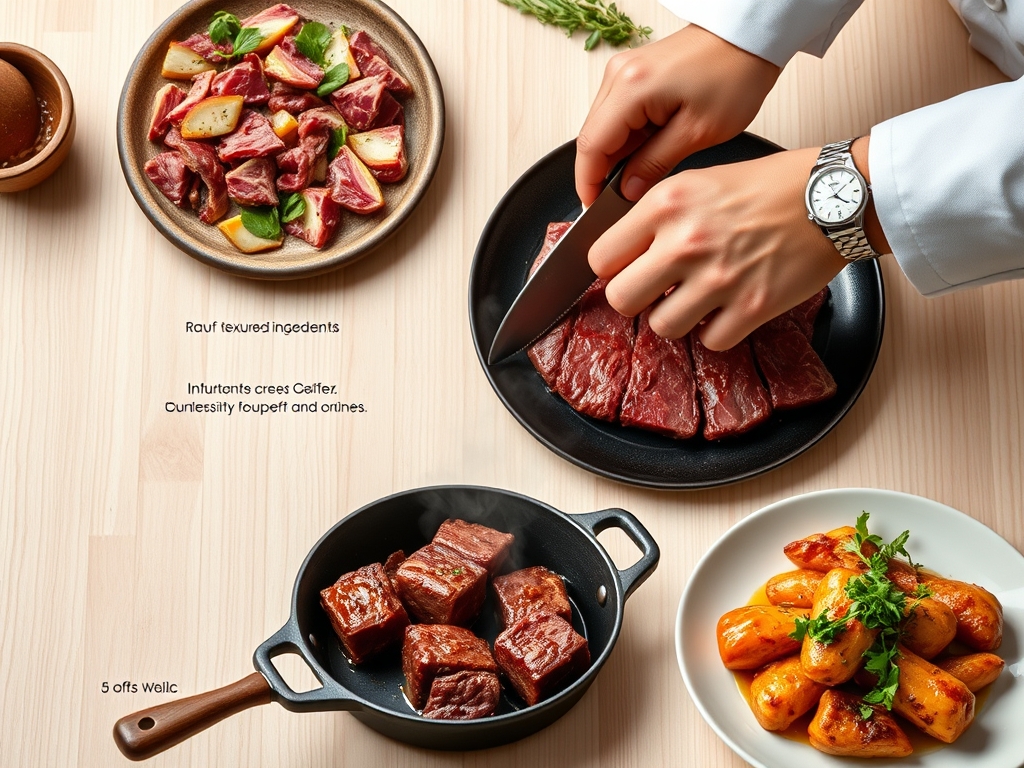
Begin by using a bench scraper to clear your workspace and a lint-free paper towel to dry the beef surface. Season aggressively with kosher salt and cracked black pepper from at least twelve inches above the meat to ensure even distribution.
Pro Tip: This is called osmotic seasoning. Salt draws moisture out, dissolves into a brine, and is then reabsorbed into the muscle, seasoning the interior and breaking down tough proteins before heat is even applied.
2. The Hard Sear
Heat your heavy-bottomed skillet until the oil shimmers. Using stainless steel tongs, place the beef in the pan. Do not crowd the surface, as this causes the temperature to drop and the meat to steam rather than sear.
Pro Tip: This triggers the Maillard reaction, a chemical reaction between amino acids and reducing sugars that creates hundreds of different flavor compounds. If the meat sticks, it is not ready to be flipped; wait for the natural release.
3. Deglazing the Fond
Once the meat is browned, remove it and look at the brown bits (the fond) stuck to the bottom. Pour in your liquid of choice and use a wooden spoon to scrape those concentrated flavor deposits back into the sauce.
Pro Tip: Deglazing uses solvent extraction to incorporate caramelized proteins into your cooking liquid, creating a deeply viscous and flavorful base for your sauce or gravy.
4. The Low and Slow Transition
Transfer the beef to a roasting rack or a saucier filled with aromatics. Lower the heat significantly. If roasting, aim for an oven temperature of 250 degrees Fahrenheit.
Pro Tip: Cooking at a lower temperature prevents muscle fiber contraction. High heat causes proteins to squeeze out moisture like a sponge; low heat keeps those fibers relaxed and juicy.
5. The Carryover Rest
Remove the beef when it is five degrees below your target internal temperature. Place it on a warm cutting board and tent it loosely with foil.
Pro Tip: This accounts for thermal carryover. The residual heat on the surface continues to move toward the center even after the meat is out of the oven, ensuring a perfect medium-rare without overcooking the exterior.
The Deep Dive
Macro Nutrition: Round beef is a nutritional powerhouse. It is one of the leanest cuts available, boasting approximately 25 grams of protein per 3-ounce serving with less than 6 grams of fat. It is rich in Vitamin B12, zinc, and selenium, making it ideal for muscle recovery and metabolic health.
Dietary Swaps: To keep these recipes Keto-friendly, serve the beef over mashed cauliflower aerated with heavy cream. For a Gluten-Free version, ensure your beef broth is certified and use cornstarch or a reduction method rather than a flour-based roux to thicken your sauces.
The Fix-It:
- Tough Texture: If the meat is chewy, it likely did not reach the temperature where collagen melts (160F) or it was sliced with the grain. Slice against the grain to shorten muscle fibers.
- Lack of Flavor: This usually stems from under-searing. Ensure your pan is hot enough to create a dark, mahogany crust.
- Dry Interior: You likely skipped the resting phase. Always wait at least 15 minutes before carving.
Meal Prep: When reheating, avoid the microwave, which vibrates water molecules and toughens the protein. Instead, use a vacuum sealer to bag portions and reheat them in a warm water bath (sous vide style) to maintain "day-one" moisture and texture.
The Wrap-Up
You are now equipped with the technical prowess to turn the humblest cut of meat into the centerpiece of a five-star meal. These round beef recipes are not just about feeding people; they are about understanding the chemistry of the kitchen to create something memorable. From the initial sear to the final, piquant drizzle of sauce, you have the tools to ensure every slice is a testament to your culinary skill. Now, grab your favorite skillet and let the transformation begin!
The Kitchen Table
How do I make round beef tender?
The most effective way is to use a low-and-slow cooking method or a salt-based dry brine. Slicing the meat thinly against the grain also mechanically breaks up tough fibers, making it much easier to chew.
Is round beef good for slow cooking?
Yes, but it is very lean. Unlike chuck roast, it lacks internal fat. To keep it moist in a slow cooker, ensure it is submerged in a viscous liquid like broth or gravy to prevent it from drying out.
What is the best internal temperature for top round?
For a roast, aim for a medium-rare finish at 130 to 135 degrees Fahrenheit. Because the cut is so lean, cooking it past medium (145F) often results in a dry, mealy texture that is difficult to swallow.
Can I use round beef for stir-fry?
Absolutely. The trick is to partially freeze the meat for 30 minutes, then slice it into paper-thin strips. Marinate the strips in a bit of baking soda and soy sauce to "velvet" the meat before a high-heat sear.