
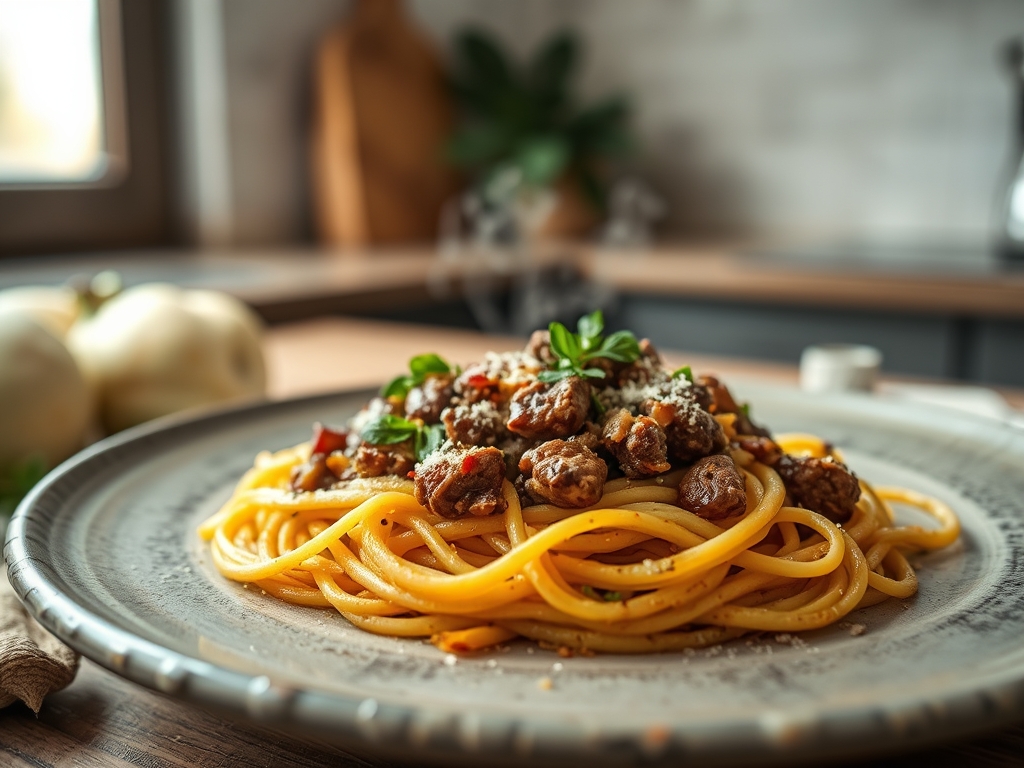
Imagine the sound of a sharp chef's knife piercing the taut, golden skin of a winter squash; it is a satisfying, hollow thud that promises a garden-fresh bounty. When you roast these gourds, the kitchen fills with a nutty, caramelized aroma that rivals any bakery. Learning how to master spaghetti squash ground beef recipes is your new culinary superpower for weeknight efficiency and nutritional density. We are transforming humble, stringy fibers into a sophisticated canvas for rich, savory proteins.
The magic lies in the contrast of textures. You have the snappy, al dente strands of the squash playing against the crumbly, Maillard-browned richness of the beef. It is a dish that feels indulgent but leaves you feeling light and energized. Whether you are craving a zesty Mediterranean toss or a deep, umami-heavy ragu, these seven variations will redefine how you view low-carb dining. We are not just cooking; we are engineering flavor profiles that satisfy the soul and the scale simultaneously.
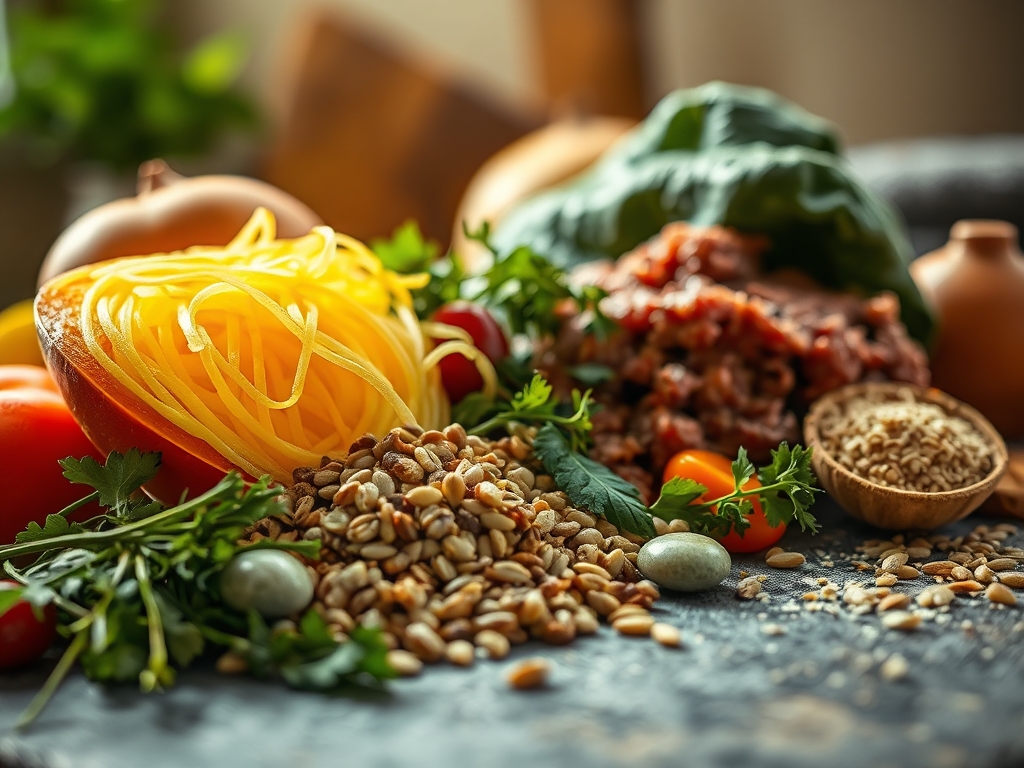
The Gathers:
To execute these spaghetti squash ground beef recipes with precision, your mise-en-place must be impeccable. Start with a heavy-bottomed skillet, preferably cast iron, to ensure even heat distribution and superior searing. You will need high-quality ground beef; look for an 80/20 blend if you want maximum flavor through fat rendering, or a 90/10 lean mix if you plan to introduce moisture via a viscous tomato reduction.
The squash itself should be heavy for its size with no soft spots. Gather your aromatics: pungent garlic bulbs, yellow onions for sweetness, and fresh herbs like rosemary or basil to infuse the oil. Use a microplane to zest citrus or grate hard cheeses, ensuring the particles are fine enough to melt instantly into the sauce.
Smart Substitutions: If you are navigating dietary restrictions, swap the beef for ground bison to achieve a leaner, more iron-rich profile. For those avoiding nightshades, replace the traditional tomato base with a savory pumpkin puree or a garlic-infused olive oil sauce. If you lack a specific spice, remember that dried herbs are more concentrated than fresh; use a one-to-three ratio to avoid overpowering the delicate squash strands.
The Clock
Efficiency in the kitchen is about "Chef's Flow," the art of overlapping tasks to minimize downtime. Expect a total active prep time of 20 minutes, with a passive roasting time of 40 to 50 minutes depending on the squash size.
While the squash undergoes thermal transformation in the oven, you should be deglazing your skillet and simmering your meat sauce. This synchronization ensures that as soon as the squash is cool enough to handle, your beef mixture is at the peak of its flavor development. Using a digital scale to portion your ingredients beforehand prevents the frantic searching for measuring spoons mid-sizzle.
The Masterclass
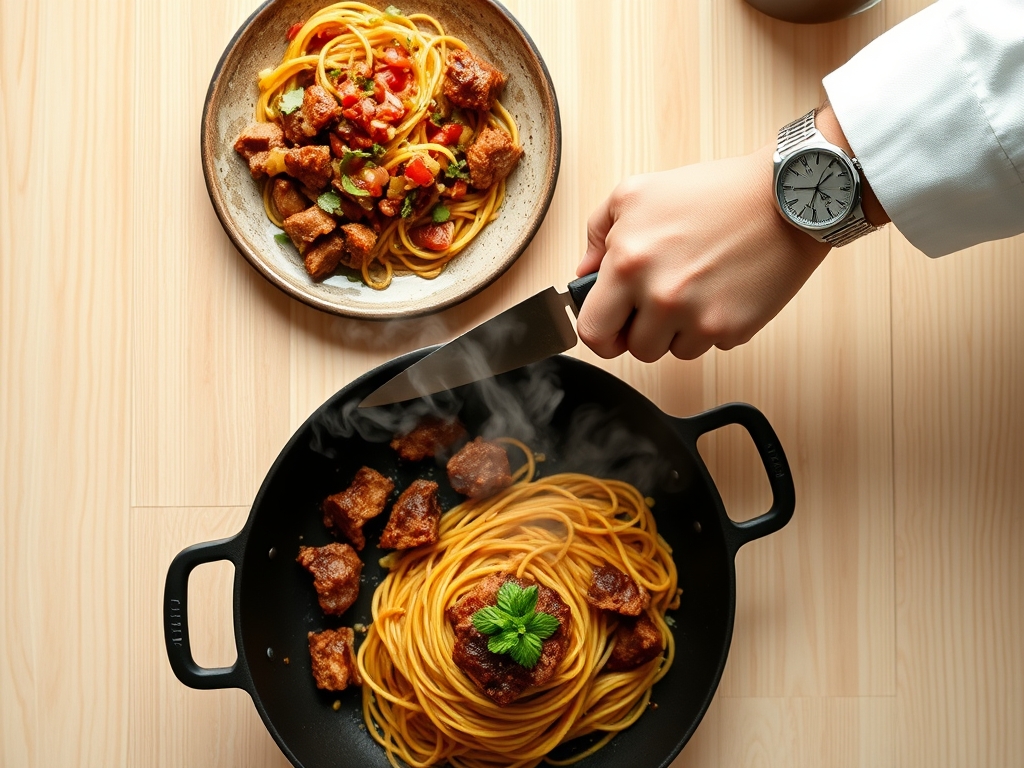
1. The Strategic Halve
Place your squash on a damp kitchen towel to prevent slipping and use a heavy chef's knife to slice it lengthwise. Use a sturdy metal spoon to scrape out the seeds and fibrous pith.
Pro Tip: This is the "Surface Area Principle." Brushing the interior with oil increases the rate of heat transfer, leading to better caramelization and preventing the squash from steaming in its own moisture.
2. The Maillard Sear
Heat your heavy-bottomed skillet until the oil shimmers. Add the ground beef in a flat layer and leave it untouched for three minutes. This allows the Maillard reaction to occur, creating those brown, flavorful crusts that are essential for deep flavor.
Pro Tip: Avoid overcrowding the pan. If the meat releases too much liquid, it will boil rather than sear. Work in batches to maintain a high temperature and ensure the proteins undergo proper enzymatic browning.
3. The Deglaze and Infuse
Once the beef is browned, move it to the perimeter and add your aromatics to the center. Once fragrant, pour in a splash of dry wine or stock. Use a wooden spoon or bench scraper to lift the "fond," those delicious stuck-on bits, from the bottom of the pan.
Pro Tip: Deglazing is a chemical process where the solvent (liquid) dissolves the caramelized proteins. This integrates the concentrated flavors back into your sauce, creating a piquant and complex profile.
4. The Strand Extraction
After the squash is roasted and slightly cooled, use a fork to gently scrape the flesh. The strands should pull away easily in long, spaghetti-like ribbons.
Pro Tip: Watch for "Thermal Carryover." Remove the squash from the oven when it is just tender. It will continue to cook for several minutes inside the shell; overcooking leads to a mushy, watery texture.
5. The Emulsified Toss
Combine the squash strands with the beef mixture in the skillet. Toss vigorously over medium heat for 60 seconds.
Pro Tip: This final step allows the squash to absorb the savory fats and juices from the beef. The heat helps the fats emulsify with any remaining moisture, coating each strand in a glossy, flavorful sheen.
The Deep Dive
When we look at the macro nutrition of spaghetti squash ground beef recipes, we see a powerhouse of vitamins A and C paired with high-quality protein. A standard serving provides roughly 25 grams of protein with less than 15 grams of net carbohydrates, making it a staple for metabolic health.
Dietary Swaps: For a Keto version, increase the healthy fats by adding a dollop of grass-fed butter or a sprinkle of aged pecorino. For a Vegan twist (swapping the beef for a plant-based crumble), ensure you add a dash of soy sauce or liquid aminos to replicate the umami depth of animal protein.
The Fix-It:
- Watery Squash: If your squash is weeping liquid, salt the raw halves and let them sit for 15 minutes before roasting to draw out excess moisture.
- Bland Beef: Use more salt than you think. Salt is a flavor enhancer that unlocks the aromatic potential of the spices.
- Sticky Strands: If the squash feels gummy, you likely overcooked it. Next time, use a meat thermometer to pull the squash when the internal temperature hits 200 degrees Fahrenheit.
Meal Prep Science: To maintain "day-one" quality, store the beef and squash in separate airtight containers. When reheating, use a skillet rather than a microwave. The dry heat of the pan will re-crisp the beef and prevent the squash from becoming soggy through steam accumulation.
The Wrap-Up
Mastering these spaghetti squash ground beef recipes is about more than just a healthy dinner; it is about understanding the chemistry of your ingredients. By focusing on the Maillard reaction, moisture control, and the "Chef's Flow," you transform a simple vegetable into a gourmet experience. Keep your tools sharp, your skillet hot, and your creativity flowing. You have the technical foundation; now go make something delicious that makes your kitchen smell like a five-star bistro.
The Kitchen Table
How do I prevent spaghetti squash from being watery?
Salt the raw squash halves and let them sit for 15 minutes before roasting. This draws out excess moisture through osmosis. Additionally, roast the squash cut-side down to allow steam to escape the flesh during the cooking process.
Can I freeze spaghetti squash ground beef recipes?
You can freeze the beef sauce easily, but the squash strands lose their al dente texture upon thawing. For the best quality, freeze the meat mixture separately and roast a fresh squash when you are ready to serve the meal.
What is the best way to reheat this dish?
Avoid the microwave to prevent sogginess. Instead, use a heavy-bottomed skillet over medium heat with a teaspoon of olive oil. This method evaporates excess moisture and re-activates the fats in the beef for a "day-one" fresh taste and texture.
Is spaghetti squash actually a good substitute for pasta?
While the texture is crunchier than traditional pasta, its neutral flavor profile makes it an excellent vessel for heavy sauces. It provides a similar "twirling" experience on the fork while offering significantly more fiber and fewer calories than grain-based noodles.