
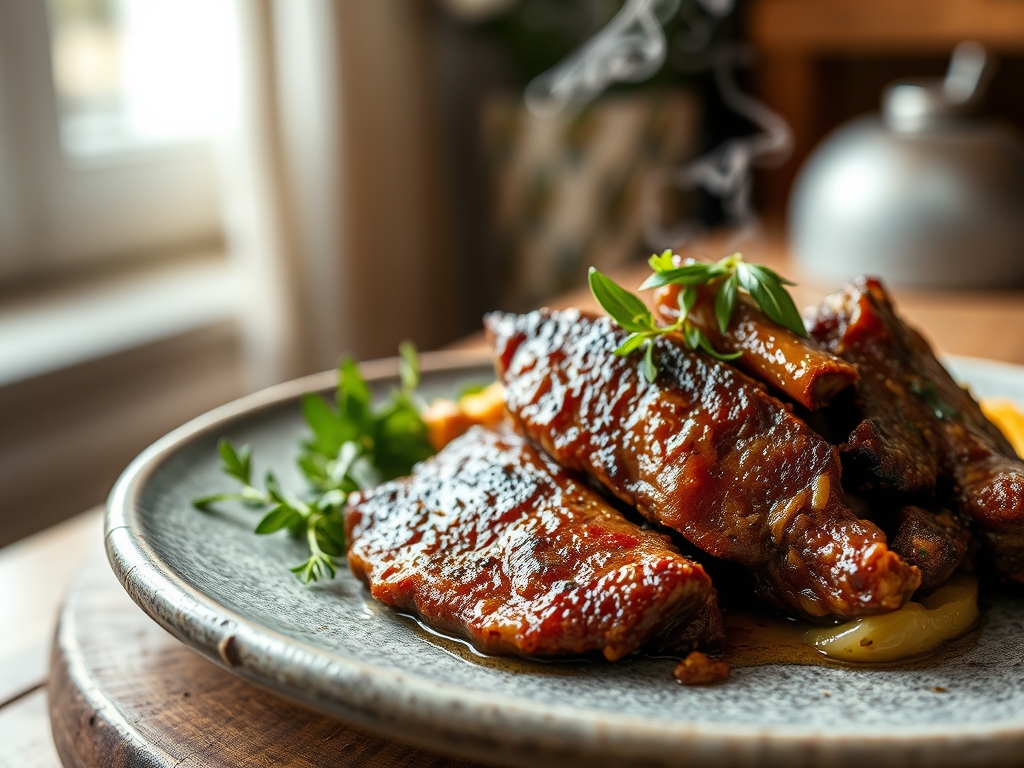
Picture the scene: you just walked through the door after a grueling ten hour shift; your stomach is growling; and the thought of scrubbing a cast iron skillet feels like a personal affront. You want that deep, mahogany crust and a center that glows with a perfect medium-rare pink. You might think a high-end steakhouse is your only option, but the secret to consistent, restaurant-quality results is sitting right on your countertop. Mastering air fryer beef recipes is less about "cheating" and more about leveraging high-velocity convection to achieve the ultimate Maillard reaction. We are talking about eight minutes of active cooking time to reach a culinary peak that usually requires a professional broiler. By utilizing a compact chamber and rapid airflow, we can render intramuscular fat far more efficiently than a traditional oven ever could. This is where high-tech convenience meets old-school butchery. We are going to transform a humble cut of beef into a masterpiece of texture and flavor, all while keeping your kitchen cool and your cleanup minimal. Grab your digital thermometer; we are about to redefine your weeknight dinner expectations.
The Gathers:
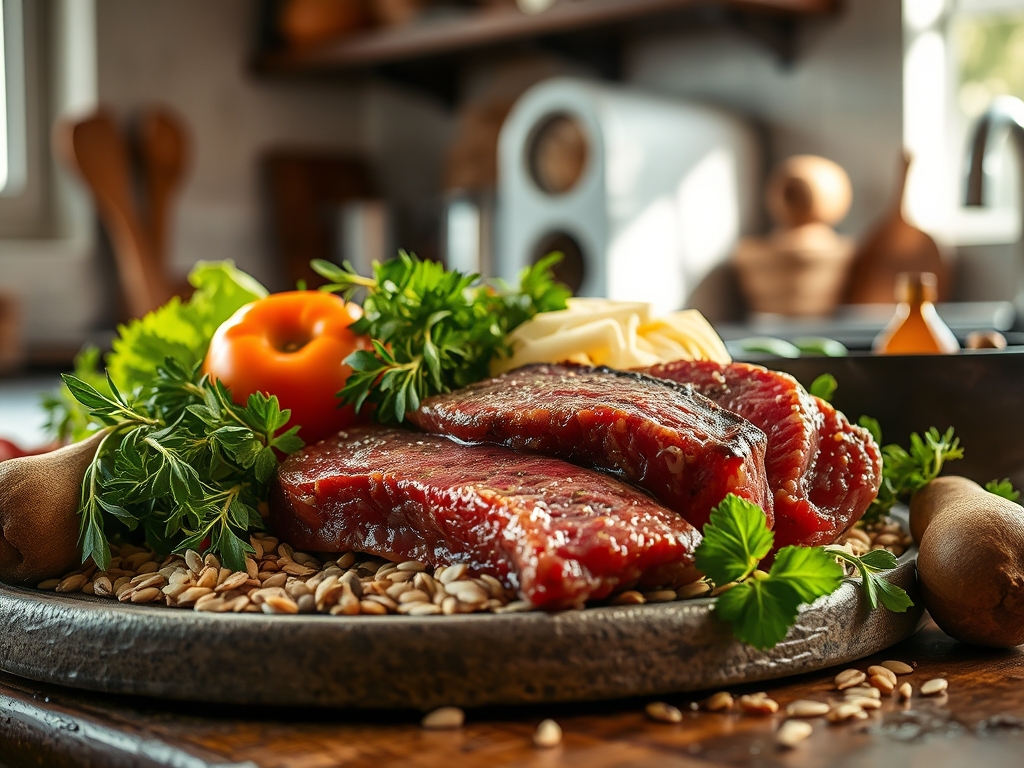
To execute these air fryer beef recipes with precision, your mise-en-place must be impeccable. Start with two thick-cut New York Strips or Ribeyes, ideally 1.5 inches thick. Use a digital scale to ensure your steaks are roughly 12 ounces each; consistency in mass leads to consistency in thermal transition. You will need high-smoke-point fats like avocado oil or clarified butter (ghee). Avoid extra virgin olive oil here, as its low smoke point will create a viscous, acrid film in the high-heat environment of the air fryer. For seasoning, use coarse kosher salt and freshly cracked black pepper. The larger grains of kosher salt are essential for drawing out surface moisture, which is the enemy of a crisp crust.
For the Smart Substitutions, if you are looking for a leaner profile, a Top Sirloin works beautifully, though it requires a shorter cook time to avoid toughness. If you lack a microplane for fresh garlic, use a high-quality garlic powder, as fresh minced garlic tends to burn under intense convection. For a piquant kick, consider adding a dash of smoked paprika or dried porcini powder to your rub. The porcini powder acts as a natural flavor enhancer, providing a deep umami base that mimics dry-aging. Ensure your steaks are patted bone-dry with paper towels before you begin; moisture on the surface will cause the meat to steam rather than sear.
The Clock
Efficiency is the soul of the "Chef's Flow." Total preparation takes exactly five minutes: three minutes to season and two minutes to preheat the device. The actual cooking cycle spans between eight and ten minutes depending on your desired level of doneness. However, the most critical part of the clock is the five-minute rest period post-cook. This allows the internal juices to redistribute. If you slice too early, the myoglobin will escape, leaving you with a dry, grey steak. Total time from fridge to fork is approximately twenty minutes.
The Masterclass
1. Tempering and Seasoning
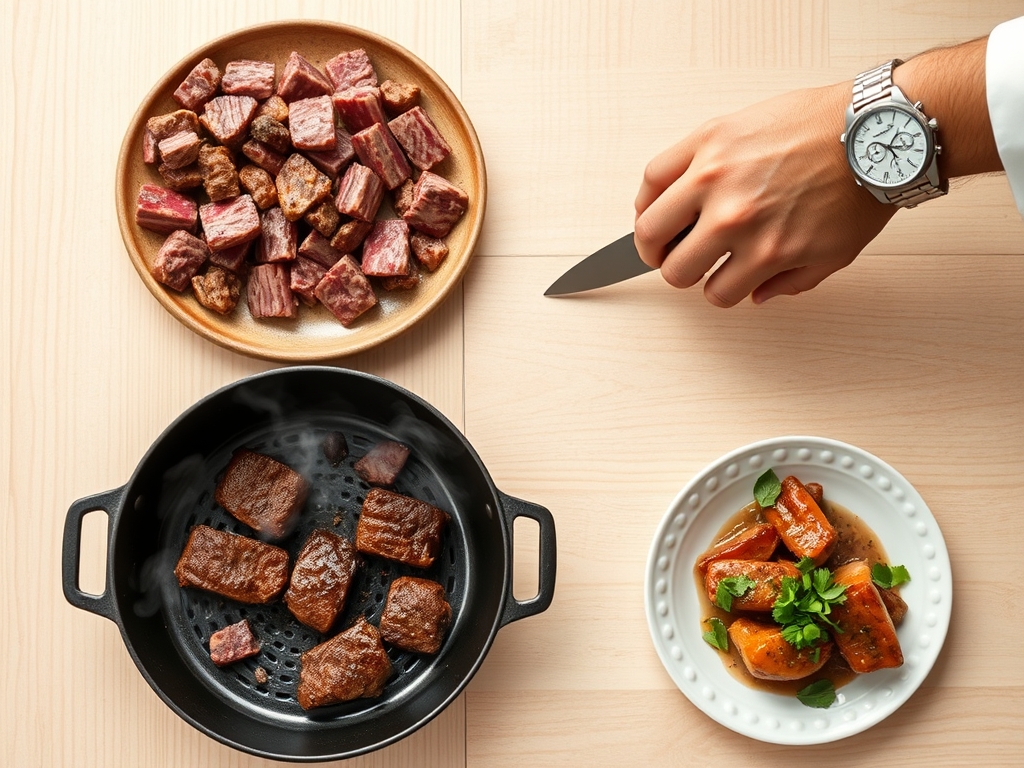
Remove your steaks from the refrigerator twenty minutes prior to cooking. Use your tongs to flip them as you liberally apply salt and pepper to every surface, including the fat cap.
Pro Tip: This process is known as dry-brining. Salt denatures the meat proteins, allowing them to retain more moisture during the high-heat convection process, while simultaneously breaking down tough muscle fibers.
2. Preheating the Chamber
Set your air fryer to its highest setting, usually 400 degrees Fahrenheit, and let it run empty for five minutes.
Pro Tip: Preheating ensures that the moment the beef hits the basket, the conductive heat begins searing the bottom while the fan circulates convective heat over the top. This dual-action heating is what creates that iconic crust.
3. The Initial Sear
Lightly coat the steaks in avocado oil and place them in the basket, ensuring they do not overlap. Crowding the basket leads to a drop in temperature and uneven airflow.
Pro Tip: The Maillard reaction occurs between 280 and 330 degrees Fahrenheit. By using a high-velocity fan, the air fryer strips away the "cold air envelope" surrounding the meat, accelerating chemical browning.
4. The Mid-Point Flip
At the five-minute mark, use your tongs to flip the steaks. This is the time to add a pat of herb butter or a clove of smashed garlic to the top of each steak if your air fryer model allows for it.
Pro Tip: Flipping ensures that the "heat sink" effect of the basket bottom does not overcook one side. It also allows the rendered fat to wash back over the meat, basting it in its own juices.
5. The Internal Check
Use a digital meat thermometer to check the thickest part of the steak. For medium-rare, pull the meat at 130 degrees Fahrenheit.
Pro Tip: You must account for thermal carryover. The internal temperature will continue to rise by 5 to 7 degrees after you remove the steak from the heat source due to residual kinetic energy in the molecules.
6. The Rest and Finish
Transfer the steaks to a warm plate or a wooden cutting board. Let them rest undisturbed for five full minutes before slicing against the grain.
Pro Tip: Resting allows the pressure inside the meat to equalize. As the fibers relax, they reabsorb the concentrated juices, ensuring every bite is succulent rather than stringy.
The Deep Dive
From a nutritional standpoint, these air fryer beef recipes are a powerhouse. A standard 6-ounce serving provides roughly 42 grams of protein and 0 grams of carbohydrates, making it a staple for Keto and Paleo lifestyles. To make this vegan-friendly, you can apply the same convection techniques to thick-cut cauliflower steaks or marinated tempeh, though the cook time will increase to 15 minutes to achieve enzymatic browning. For those following a Gluten-Free diet, simply ensure your spice rubs do not contain anti-caking agents derived from wheat.
The Fix-It: Common Pitfalls
- The Grey Steak: This happens when the meat is too wet. Use a bench scraper to clear any moisture from your prep area and always pat the beef dry.
- Tough Texture: You likely skipped the rest period or sliced with the grain. Always slice perpendicular to the muscle fibers to shorten them.
- Burned Exterior: If your rub contains sugar, it will carbonize. Stick to salt, pepper, and fats for the air fryer.
When it comes to Meal Prep, reheating steak is a delicate science. Avoid the microwave, which turns beef into rubber. Instead, use the air fryer at 300 degrees for 3 to 4 minutes. This gently warms the proteins without further denaturing them, maintaining that "day-one" tenderness.
The Wrap-Up
Mastering the air fryer for beef is a total game changer for the modern home cook. It bridges the gap between technical culinary science and the frantic pace of daily life. By understanding how airflow affects the Maillard reaction and respecting the necessity of the rest period, you can produce steaks that rival any high-end bistro. It is efficient, it is clean, and most importantly, it is delicious. So, put away the heavy-bottomed skillet for a night and let the physics of convection do the heavy lifting for you. Your taste buds will thank you.
The Kitchen Table
How do I get a crust in an air fryer?
Ensure the steak surface is bone-dry and preheat the air fryer to 400F. Use a high-smoke-point oil like avocado oil to facilitate the Maillard reaction. Avoid crowding the basket to maintain high-velocity airflow around the meat.
What is the best cut for air fryer beef recipes?
Thick-cut steaks like Ribeye or New York Strip are ideal. They have enough intramuscular fat to stay juicy under intense convection. Aim for at least 1.5 inches in thickness to prevent the center from overcooking before the crust forms.
Do I need to flip the steak in the air fryer?
Yes. Flipping the steak halfway through the cooking cycle ensures even heat distribution. It prevents the side touching the basket from becoming soggy and allows the rendered fat to baste the meat evenly on both sides.
Can I cook frozen steak in the air fryer?
While possible, it is not recommended for "Perfect 10-Minute" results. Frozen beef often releases excess moisture as it thaws, which steams the meat instead of searing it. For the best texture, always thaw and temper your beef first.