
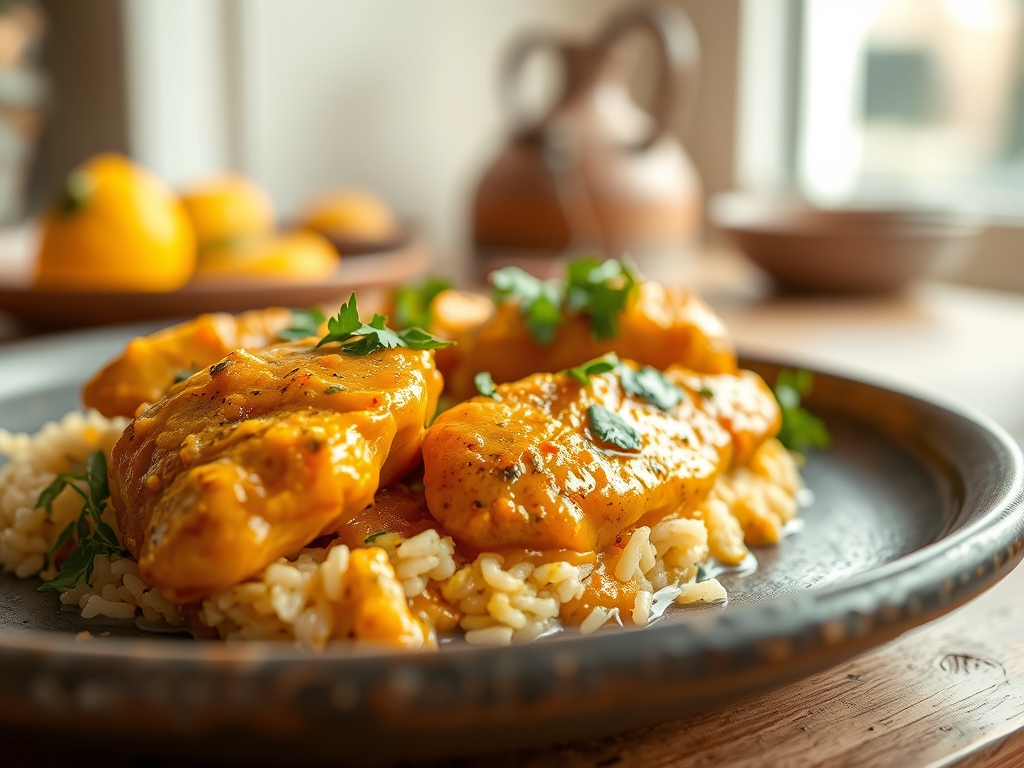
The rich scent of toasted cardamom and coriander seeds colliding with hot ghee is one of those moments that resets your entire kitchen. That first sizzle, the immediate perfume of aromatics blooming in fat, signals you're about to build something layered, luxurious, and deeply satisfying. These nine chicken recipes korma variations honor the Mughlai roots of this dish while giving you the technical toolkit to master cream-based curries that cling to every bite, never split, and deliver that signature velvety mouthfeel. Whether you're working with boneless thighs, drumsticks, or even leftover rotisserie chicken, the principles remain constant: controlled heat, proper emulsification, and strategic spice blooming. Each recipe here tackles a different flavor axis, from saffron-forward versions to coconut-cashew hybrids, giving you a full spectrum of korma expressions that work for weeknight dinners or plated dinner parties.
The Gathers
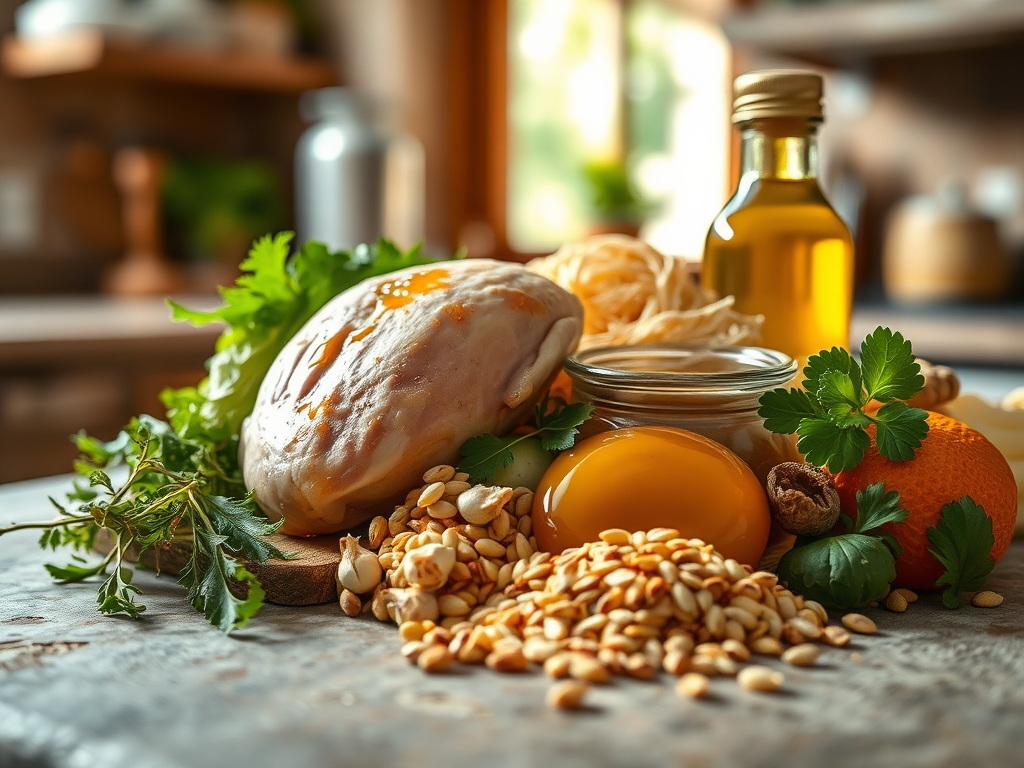
As you see in the ingredient spread below, the foundation starts with bone-in, skin-on chicken thighs (1.5 kg), which resist overcooking and contribute gelatin for body. You'll need full-fat yogurt (250 ml, room temperature to prevent splitting), heavy cream (200 ml), and raw cashews (100 g, soaked 30 minutes for silky puree). The aromatics: ginger-garlic paste (3 tablespoons), green chilies (2, slit lengthwise), and fried onion paste (4 tablespoons, store-bought or homemade). Whole spices include green cardamom pods (6), cloves (4), cinnamon stick (5 cm), and black peppercorns (8). Ground spices: coriander powder (2 teaspoons), cumin powder (1 teaspoon), Kashmiri red chili powder (1.5 teaspoons for color without aggression), and garam masala (1 teaspoon, added at finish).
Smart Substitutions: Swap heavy cream for coconut cream (same fat content, dairy-free). Replace cashews with blanched almonds or sunflower seeds (nut allergy friendly). Use Greek yogurt if you need extra tang, but whisk in 1 teaspoon of cornstarch to stabilize under heat.
The Clock
Prep Time: 25 minutes (includes soaking cashews, tempering yogurt, and chopping aromatics).
Cook Time: 45 minutes (searing chicken, building gravy, simmering until fork-tender).
Total Time: 70 minutes.
Chef's Flow: While cashews soak, prep all aromatics and measure spices into small bowls. Sear chicken in batches during the soaking window, then use the same pan (fond = flavor) to bloom whole spices. Puree the cashews while the base gravy simmers. This parallel processing shaves 15 minutes off linear workflow and keeps your burner occupied efficiently.
The Masterclass
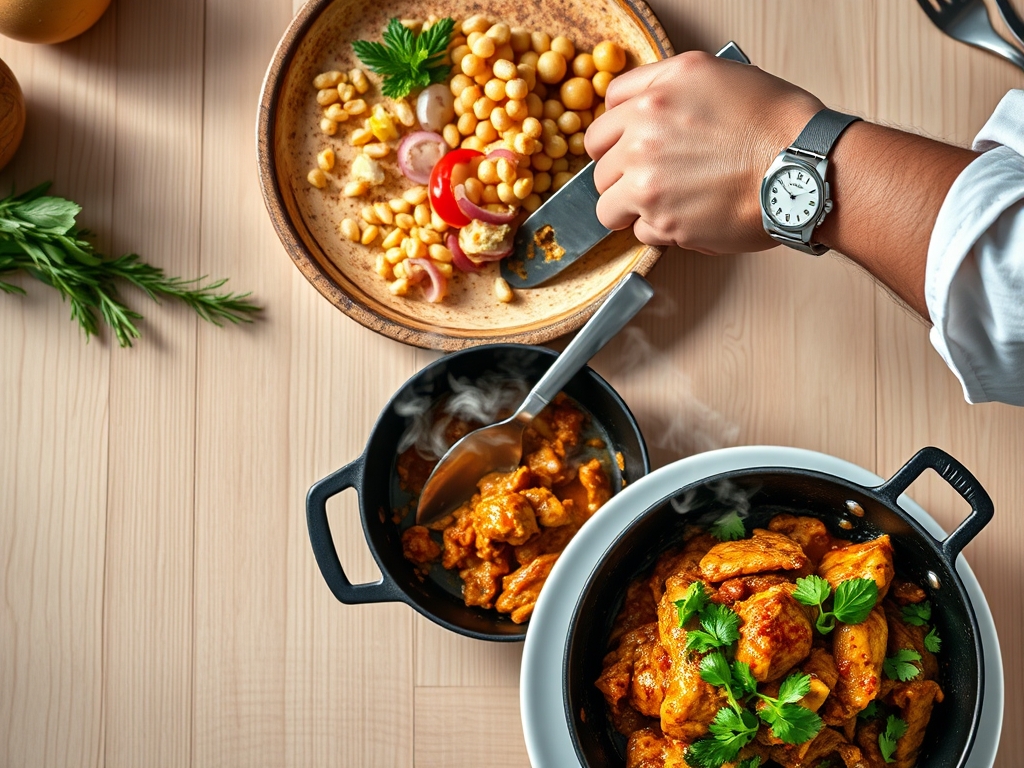
Step 1: Sear the Chicken
Pat thighs dry with paper towels. Heat 3 tablespoons ghee in a heavy-bottomed pan over medium-high (180°C surface temp). Sear skin-side down for 4 minutes until mahogany, then flip for 2 minutes. Remove and set aside.
Chef's Secret: Dry skin = Maillard reaction. Moisture = steam = gray, flabby skin. The fond left behind is liquid gold for your gravy base.
Step 2: Bloom Whole Spices
Reduce heat to medium. Add cardamom, cloves, cinnamon, and peppercorns to the residual ghee. Fry for 45 seconds until fragrant and the cardamom pods puff slightly.
Why It Works: Fat-soluble flavor compounds in whole spices require lipid contact to release. Water-based cooking methods leave them muted.
Step 3: Build the Onion-Ginger Base
Add ginger-garlic paste and green chilies. Fry for 90 seconds, stirring constantly to prevent scorching. Stir in fried onion paste and cook for 3 minutes until the raw edge mellows and oil begins to separate at the edges.
Chef's Secret: Fried onion paste (not raw) provides pre-caramelized sweetness and acts as a natural thickener without added flour.
Step 4: Add Ground Spices and Tomato
Sprinkle coriander, cumin, and Kashmiri chili powder. Toast for 30 seconds. Add 2 tablespoons tomato paste and cook for 2 minutes until darkened.
Why It Works: Toasting ground spices in the oil matrix (not raw liquid) prevents that chalky, uncooked spice taste.
Step 5: Temper and Add Yogurt
Whisk yogurt with 1 teaspoon of the hot gravy to temper. Add in three additions, stirring constantly. Cook for 5 minutes until yogurt is fully integrated and no longer looks curdled.
Chef's Secret: Gradual temperature equalization prevents protein coagulation. Never dump cold dairy into hot fat.
Step 6: Puree and Add Cashews
Blend soaked cashews with 100 ml water until silky. Stir into the gravy. Add 200 ml water, then nestle seared chicken pieces skin-side up. Cover and simmer for 30 minutes.
Why It Works: Cashew puree thickens via starch and fat emulsification, creating body without cornstarch's gummy texture.
Step 7: Finish with Cream and Garam Masala
Stir in heavy cream and garam masala. Simmer uncovered for 5 minutes. Adjust salt. Garnish with cilantro and a drizzle of saffron-infused cream (optional).
Chef's Secret: Cream goes in last to preserve its fresh dairy brightness. Overcooking cream dulls flavor and risks splitting.
Nutritional Info
Per serving (based on 6 servings):
Calories: 520 kcal
Protein: 38 g
Fat: 36 g (saturated: 18 g)
Carbohydrates: 12 g
Fiber: 2 g
Sodium: 680 mg
The high fat content comes primarily from ghee, cream, and cashews, all of which contribute to satiety and flavor delivery. Protein remains robust due to thigh meat's density.
Dietary Swaps
Keto: Replace yogurt with sour cream, skip tomato paste, and use almond flour to thicken instead of cashews. Net carbs drop to 5 g per serving.
Vegan: Swap chicken for cauliflower florets or paneer alternative. Use coconut yogurt, coconut cream, and vegan butter. Maintain the cashew base for texture.
Gluten-Free: Already compliant. Ensure garam masala blend contains no filler agents (some commercial mixes use wheat starch as anti-caking agent).
Serving & Presentation
Plating Idea 1: Serve in a shallow, wide bowl. Place one thigh in the center, spoon gravy around, and crown with microgreens and edible flowers for contrast.
Plating Idea 2: Family-style in a copper handi (traditional vessel). Garnish with fried cashew halves, rose petals, and a silver leaf (varak) for traditional opulence.
Plating Idea 3: Deconstruct on a slate plate. Swipe korma sauce, place sliced chicken fanned out, dot with yogurt, and scatter pomegranate arils for acid and crunch.
The Pro-Dodge
Pitfall 1: Split Gravy
Fix: If cream or yogurt splits, immediately remove from heat. Blend in 1 tablespoon of cold cream or a slurry of cornstarch and water. Emulsification will restore.
Pitfall 2: Bitter Aftertaste
Cause: Burnt whole spices or over-toasted ground spices. Fix: Start over with the spice blooming step. No rescue possible once bitterness sets in.
Pitfall 3: Thin, Watery Sauce
Fix: Simmer uncovered for 10 extra minutes or whisk in 2 tablespoons of ground cashew/almond powder. Avoid adding flour, which muddies flavor.
The Meal Prep Corner
Store korma in airtight glass containers for up to 4 days. The flavors deepen as spices continue to hydrate. For freezing, omit cream and yogurt, freeze the base gravy with chicken for up to 3 months, then add dairy during reheating. Reheat gently on the stovetop over low heat, adding a splash of water or cream to restore consistency. Microwave reheating works but can create uneven hot spots that risk splitting, so stir every 60 seconds at 50% power.
The Wrap-Up
You now hold nine pathways into the creamy, aromatic world of chicken korma, each one grounded in technique that respects both tradition and modern kitchen realities. The beauty of this dish lies in its forgiveness once you understand emulsification, heat control, and spice layering. Cook one version this week, tweak it to your palate, and share your results. Your kitchen, your rules, but the science stays the same.
The Kitchen Table
Q: Can I use boneless chicken breast instead of thighs?
A: Yes, but reduce cook time to 20 minutes and check internal temp at 74°C (165°F). Breasts dry out faster, so consider brining in 3% salt water for 30 minutes before cooking.
Q: Why does my korma taste flat even with all the spices?
A: Likely insufficient salt or missing acid. Add 1 teaspoon lemon juice or amchur (dried mango powder) at the end. Salt amplifies spice perception; acid balances richness.
Q: Can I make this in a slow cooker?
A: Sear chicken and bloom spices on the stovetop first, then transfer to slow cooker with all other ingredients except cream. Cook on low for 4 hours, stir in cream during the last 15 minutes.
Q: What's the difference between korma and tikka masala?
A: Korma uses yogurt, cream, and nuts for a pale, velvety sauce with Mughlai spicing. Tikka masala has a tomato-forward, brighter orange sauce with a different spice profile (often includes fenugreek and more chili).
Q: How do I prevent cashew gravy from tasting gritty?
A: Soak cashews for at least 30 minutes, then blend on high speed for a full 2 minutes with warm water. Strain through a fine-mesh sieve if texture is still coarse.