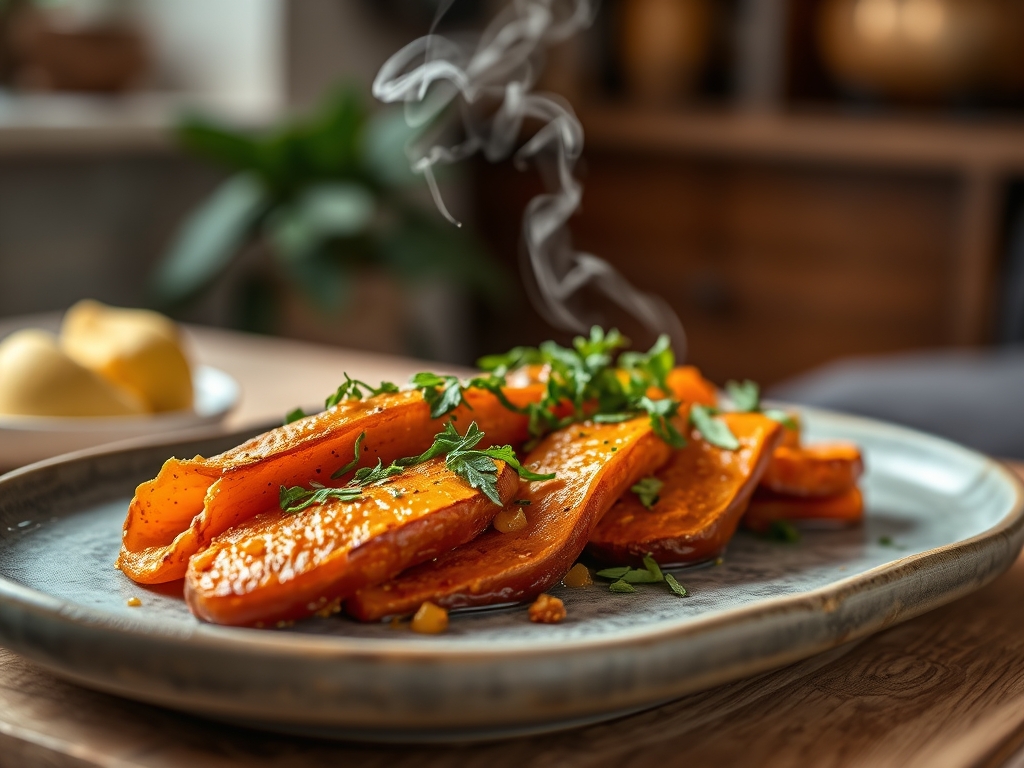
Imagine the scent of caramelized sugars dancing with the sharp, earthy bite of toasted cumin. Sweet potatoes are the unsung heroes of the subcontinent, often overshadowed by the ubiquitous potato but far more complex in their chemical profile. When you dive into authentic indian sweet potato recipes, you are not just cooking; you are orchestrating a symphony of Maillard reactions and starch conversions. These tubers offer a creamy, viscous texture that absorbs heavy spices like a dream. Whether you are craving a street-style chaat or a decadent halwa, the versatility of this root vegetable is unmatched. We are going to transform these humble tubers into eight distinct masterpieces that will redefine your pantry staples.
The Gathers:
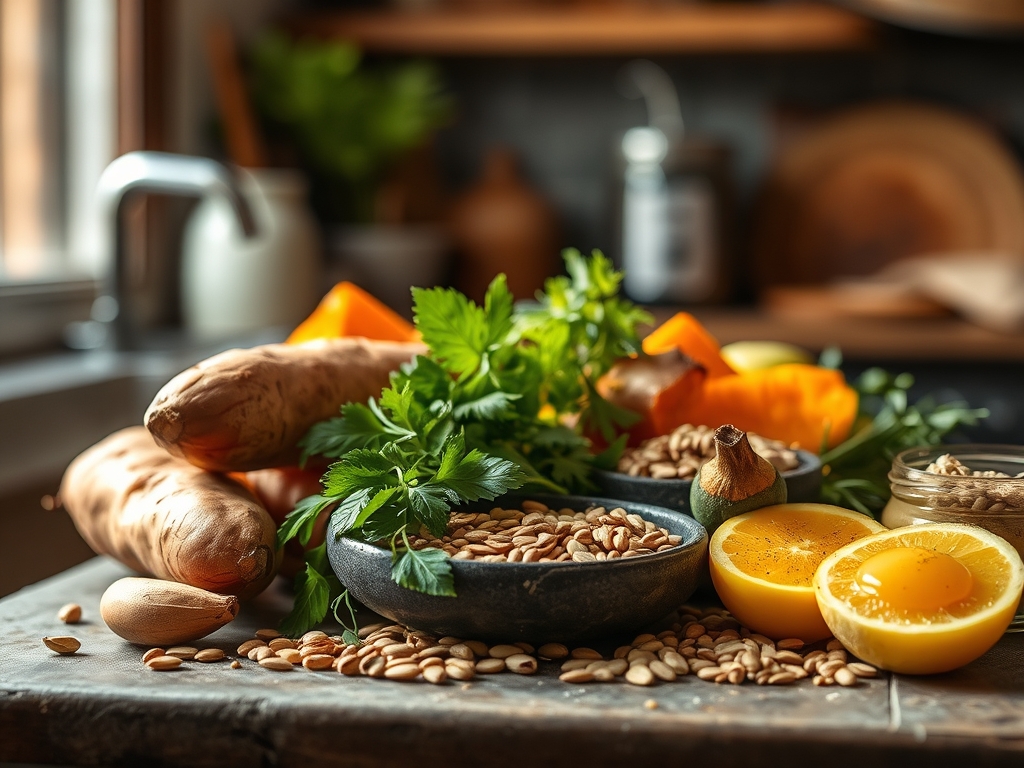
To begin our journey, your mise-en-place must be precise. Professional kitchens rely on organization to prevent enzymatic browning, which occurs when the polyphenol oxidase in the sweet potato reacts with oxygen. You will need high-quality sweet potatoes (Shakarkandi), which possess a lower moisture content than their orange yam counterparts found in the West.
Gather your heavy-bottomed skillet and a digital scale for accuracy. You will need whole spices: cumin seeds, mustard seeds, and dried red chilies. For the wet aromatics, have fresh ginger and Thai green chilies ready for the microplane. If you are looking for smart substitutions, use jaggery instead of refined sugar to introduce a deep, molasses-like complexity. If you cannot find fresh curry leaves, a zest of lime can mimic that piquant, citrusy top note, though the sulfurous depth will be slightly diminished. Always keep a bowl of acidulated water nearby to submerge your sliced tubers, preventing the oxidation that turns a vibrant gold into a dull grey.
The Clock:
Efficiency in the kitchen is about understanding the Chef's Flow. Prep time for these dishes generally clocks in at 20 minutes, primarily spent on peeling and precise dicing. Cooking times vary from 15 minutes for a quick stir-fry to 45 minutes for a slow-rendered halwa. The secret to speed is the parboil. By partially gelatinizing the starches in boiling water before hitting the pan, you reduce the active frying time by half. This ensures the exterior achieves a crisp pellicle while the interior remains custardy and soft.
The Masterclass:
1. The Shakarkandi Chaat
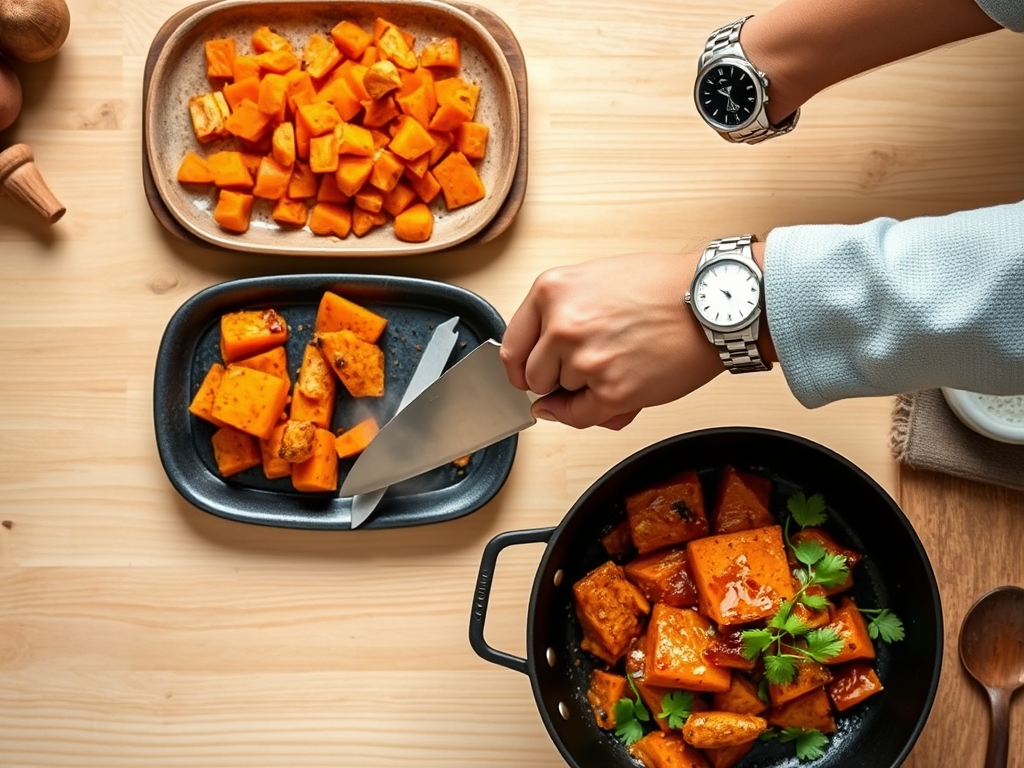
Begin by roasting the cubed tubers until the skins blister. Use tongs to rotate them for even heat distribution. Toss the hot cubes in a mixture of chaat masala, amchur (dried mango powder), and lemon juice.
Pro Tip: This relies on osmotic pressure. Adding salt and acid while the potato is hot allows the flavors to penetrate the cell walls before the starch retrogrades as it cools.
2. Sweet Potato Masala Fry
Heat mustard oil in a saucier until it reaches its smoke point to neutralize the pungent erucic acid. Add cumin and turmeric, then fold in sliced sweet potatoes.
Pro Tip: Use the Leidenfrost effect to ensure the potatoes don't stick. A properly heated pan creates a microscopic vapor barrier that allows the vegetables to glide across the surface.
3. Sweet Potato Paratha
Steam the potatoes and mash them using a bench scraper for a perfectly smooth consistency. Fold into whole wheat dough with carom seeds.
Pro Tip: Avoid overworking the dough to prevent excessive gluten development, which would make the flatbread tough rather than flaky.
4. Shakarkandi Halwa
Grate the tubers and sauté in desi ghee. Add milk and sugar, stirring constantly until the mixture thickens and begins to render the fat at the edges.
Pro Tip: This is a lesson in evaporative cooling. As the water leaves the milk, the milk solids caramelize, creating a rich caramel flavor profile.
5. Sweet Potato Tikki
Combine mashed potatoes with roasted chickpea flour (besan) and chopped cilantro. Form into patties and shallow fry.
Pro Tip: The besan acts as a binder and humectant, absorbing excess moisture so the patties do not disintegrate in the hot oil.
6. Sweet Potato and Peanut Sabzi
A Maharashtrian classic. Sauté cubes with crushed roasted peanuts and green chilies.
Pro Tip: Peanuts provide a textural contrast and healthy fats that carry the fat-soluble vitamins (A and C) found in the sweet potato more efficiently to your palate.
7. Sweet Potato Kheer
Simmer grated sweet potato in full-fat milk infused with cardamom and saffron.
Pro Tip: The natural sugars in the potato undergo caramelization during the long simmer, reducing the need for added refined sweeteners.
8. Roasted Sweet Potato Wedges with Mint Chutney
Cut into thick wedges and roast at high heat. Serve with a vibrant, aerated mint and yogurt dip.
Pro Tip: Pat the wedges completely dry before oiling. Surface moisture causes steaming rather than roasting, preventing the Maillard reaction from creating that desired crust.
The Deep Dive:
Nutritiously, sweet potatoes are powerhouses. They are rich in beta-carotene, fiber, and complex carbohydrates. For a Vegan swap, replace ghee with coconut oil; the lauric acid in coconut oil complements the sweetness of the tuber beautifully. For Keto enthusiasts, sweet potatoes are higher in carbs, so portion control is vital; focus on the fiber-heavy skins. For Gluten-Free needs, these recipes are naturally compliant as long as you avoid hing (asafoetida) processed with wheat flour.
The Fix-It:
- Mushy Texture: You likely overcrowded the pan. This traps steam. Fix it by spreading the potatoes on a baking sheet and blasting them in a hot oven for five minutes.
- Bitter Spices: You burnt the tadka (tempering). If the mustard seeds are black and acrid, discard the oil and start over; there is no chemical fix for burnt carbon.
- Too Sweet: Balance the dish with an acidic deglaze. A splash of tamarind water or apple cider vinegar will brighten the flavor profile and cut through the sugar.
Meal Prep: To maintain day-one quality, reheat sweet potatoes in an air fryer or oven. Microwaves cause the starch granules to collapse and become gummy. A dry heat source re-crisps the exterior while keeping the internal moisture intact.
The Wrap-Up:
Mastering indian sweet potato recipes is about balancing the inherent sweetness of the root with the aggressive, warming spices of the East. From the crunch of a well-seared wedge to the velvet finish of a slow-cooked kheer, these dishes prove that "healthy" and "indulgent" can live on the same plate. Grab your favorite heavy-bottomed skillet and start experimenting with these textures. Your kitchen is about to become the best smelling room in the house!
The Kitchen Table:
Which sweet potato is best for Indian cooking?
Use the white-fleshed, purple-skinned variety known as Shakarkandi. They have a firmer texture and lower moisture content than orange yams, allowing them to hold their shape during high-heat sautéing and tempering without turning into a puree.
How do I stop sweet potatoes from sticking to the pan?
Ensure your skillet is properly seasoned and heated before adding oil. Use the "water droplet test" to verify the temperature. Adding the potatoes only once the oil is shimmering creates a non-stick barrier through rapid steam release.
Can I make these recipes ahead of time?
Yes, most Indian sweet potato dry curries and masalas last three days in the fridge. For the best texture, reheat them in a pan with a teaspoon of ghee to restore the crisp edges and aromatic oils.
Are sweet potatoes healthier than regular potatoes?
Sweet potatoes have a lower glycemic index and higher fiber content than white potatoes. They are also packed with Vitamin A and antioxidants, making them a superior choice for sustained energy and metabolic health.