
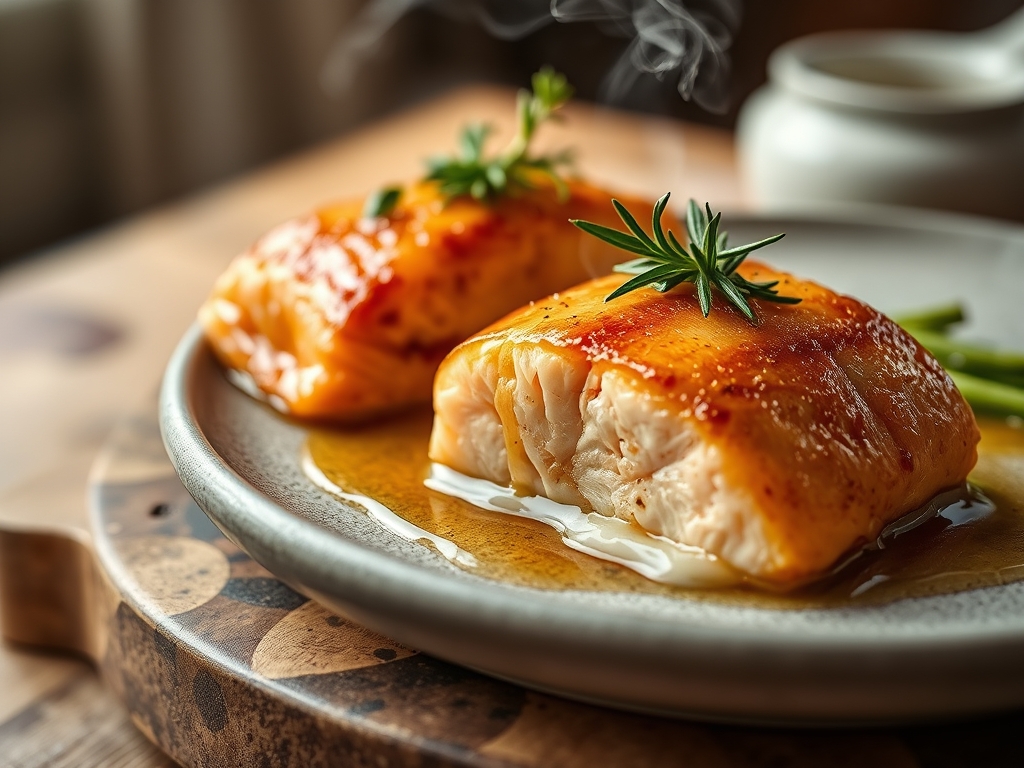
Picture this: a heavy-bottomed skillet sizzling on the stovetop, the air thick with the scent of woodsy sweetness and sea salt. There is something almost magnetic about the way a cold piece of fish transforms under the heat. When you search for salmon recipes maple syrup, you are not just looking for a meal; you are looking for that perfect, glass-like glaze that shatters under the fork. It is the ultimate culinary tension between the fatty, rich flake of the fish and the sticky, resinous depth of the syrup. I have spent years obsessing over the exact moment a glaze turns from a liquid to a lacquered coating. We are going to master that today. This is not your average weeknight dinner. We are diving into the molecular magic of sugar polymerization and thermal precision. By the time we are done, you will understand exactly why your previous glazes might have run off the fish or, worse, scorched into a bitter mess. Let us get your mise-en-place ready because we are about to build the most sophisticated version of this classic you have ever tasted.
The Gathers:
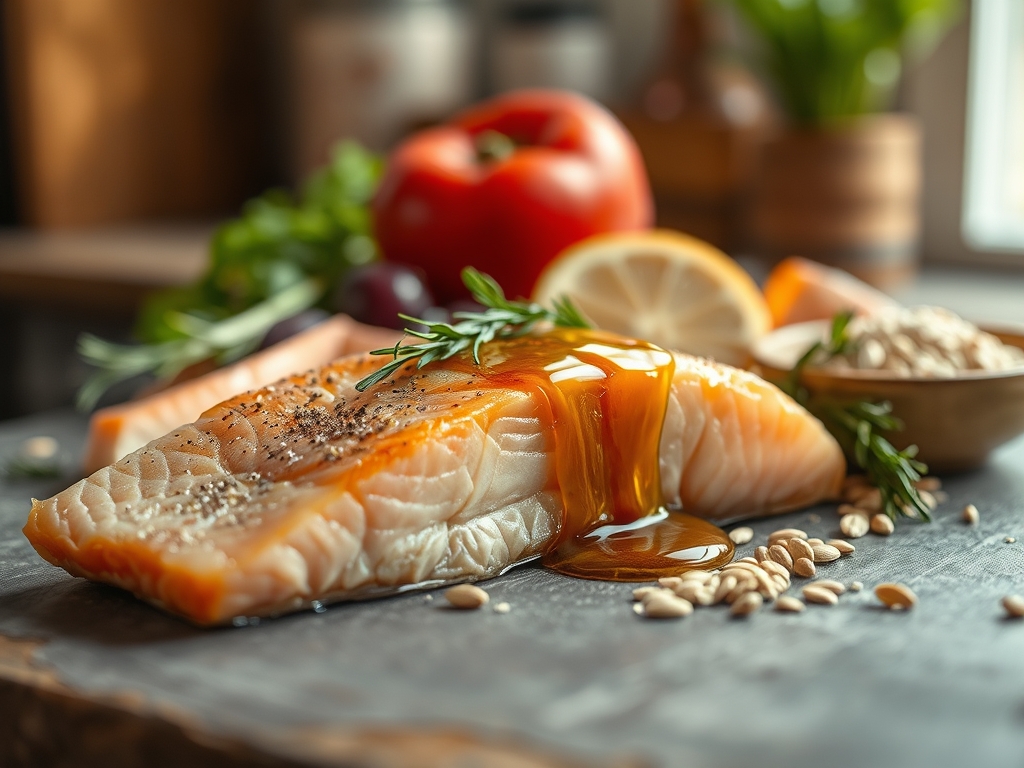
To achieve a restaurant-grade finish, your ingredients must be selected for their chemical contributions, not just their flavor. We start with high-quality Atlantic or King salmon fillets, ideally center-cut for uniform thickness. You will need Grade A Dark maple syrup; it contains a higher concentration of minerals and complex sugars than Amber, which provides a more viscous mouthfeel.
For the savory counterpoint, gather your liquid aminos or tamari. These provide the essential glutamates that trigger the umami response. You will also need a microplane for fresh ginger and garlic. Grating them into a paste ensures they infuse the glaze without burning as raw chunks would. A splash of apple cider vinegar provides the acidity needed to brighten the heavy fats.
Smart Substitutions:
If you are out of maple syrup, a high-quality honey works, though the floral notes will shift the profile. For a soy-free version, coconut aminos are a direct swap. If you want a deeper, more piquant kick, add a teaspoon of Dijon mustard. The mustard acts as a natural emulsifier, binding the oil from the fish to the water-based syrup, ensuring the glaze clings to every fiber of the protein.
The Clock: Chef's Flow
Efficiency in the kitchen is about managing the "Chef's Flow." Total active prep time is exactly 12 minutes. You will spend 5 minutes whisking the glaze in a small saucier and 7 minutes prepping the fish. The cook time is a precise 10 to 12 minutes depending on the thickness of the fillet.
The secret to a stress-free execution is the resting period. You must allow the salmon to sit at room temperature for 15 minutes before it hits the heat. This prevents the muscle fibers from seizing, which would squeeze out the moisture and leave you with a dry, chalky result. While the fish rests, you can aerate your side dishes or prep a crisp green salad to balance the richness of the glaze.
The Masterclass:
1. The Tempering Phase
Remove your salmon from the refrigerator and pat it bone-dry with paper towels. Moisture is the enemy of the Maillard reaction. If the surface is damp, the fish will steam rather than sear. Use a digital scale to ensure your fillets are roughly 6 ounces each for even cooking.
Pro Tip: This phase is about thermal equilibrium. Bringing the fish closer to room temperature ensures the center reaches the target 125 degrees Fahrenheit at the same time the exterior achieves a perfect crust.
2. The Glaze Reduction
In a small saucier, combine your maple syrup, soy sauce, ginger, and garlic. Bring it to a simmer over medium heat. You want to reduce the volume by about one-third until it coats the back of a spoon.
Pro Tip: This is called enzymatic browning. By reducing the glaze beforehand, you are concentrating the sugars and removing excess water, which prevents the glaze from thinning out once it hits the hot fish.
3. The Sear and Render
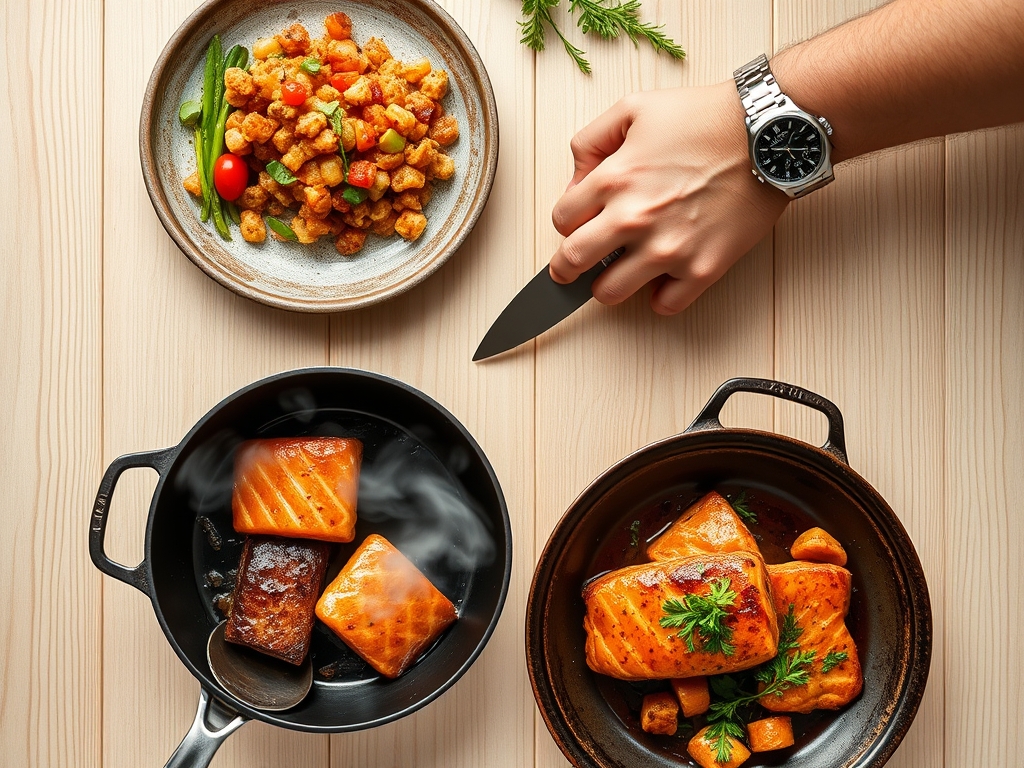
Heat a tablespoon of high-smoke-point oil in a heavy-bottomed skillet. Place the salmon skin-side down. Use a fish spatula to press down firmly for the first 30 seconds. This prevents the skin from curling and ensures maximum contact with the heat.
Pro Tip: This step allows the subcutaneous fat to render, which creates a natural barrier between the flesh and the pan, leading to that coveted crispy skin texture.
4. The Lacquer Application
Once the salmon is 70 percent cooked (you will see the color change creeping up the sides), flip the fillets gently using tongs. Immediately pour the reduced glaze into the pan. It will bubble violently as the sugars hit the hot surface.
Pro Tip: This is the deglaze moment. The liquid picks up the "fond" (the browned bits) from the bottom of the pan, incorporating those deep savory flavors back into the sauce.
5. The Basting Ritual
Tilt the pan slightly and use a large spoon to continuously bath the salmon in the bubbling syrup. This is called "Arroser." The glaze will continue to thicken and cling to the fish, creating a shimmering, mahogany coating.
Pro Tip: Continuous basting utilizes convection heat, cooking the top of the fish with the hot glaze while the bottom finishes searing, resulting in a perfectly tender interior.
6. The Carryover Rest
Remove the salmon from the pan when the internal temperature hits 130 degrees Fahrenheit. Move it to a warm plate and let it rest for 3 to 5 minutes.
Pro Tip: Thermal carryover will continue to cook the fish after it leaves the pan. The internal temperature will rise another 5 degrees, landing at a perfect medium-rare 135 degrees.
The Deep Dive:
Macro Nutrition:
Salmon is a powerhouse of Omega-3 fatty acids, specifically EPA and DHA, which are essential for brain health. A standard 6-ounce serving provides roughly 34 grams of high-quality protein. While the maple syrup adds simple carbohydrates, the glycemic load is tempered by the healthy fats and protein in the fish.
Dietary Swaps:
For a Keto version, replace the maple syrup with a monk fruit-based maple substitute and use tamari. For a Vegan alternative, this glaze works beautifully on thick slabs of "tofu steaks" or cauliflower steaks. To keep it Gluten-Free, always ensure your soy sauce is replaced with certified GF tamari.
The Fix-It: Common Pitfalls
- The Glaze is Too Thin: If the sauce is watery, you likely did not reduce it enough in the saucier. Fix: Remove the fish and boil the sauce on high for 60 seconds until syrupy.
- The Skin is Soggy: This happens if the pan wasn't hot enough or the skin was wet. Fix: Next time, use a bench scraper to squeegee moisture off the skin before seasoning.
- The Sugar Burnt: If the pan smells like acrid smoke, the heat was too high. Fix: Add a tablespoon of water or broth immediately to drop the temperature and loosen the glaze.
Meal Prep & Reheating:
To maintain "day-one" quality, do not microwave your salmon. The high-frequency waves vibrate water molecules too fast, toughening the protein. Instead, reheat in a 275-degree oven covered with foil for 8 minutes. This gentle heat preserves the delicate fat structure.
The Wrap-Up:
Mastering salmon recipes maple syrup is about more than just following a list of steps; it is about understanding the chemistry of your kitchen. From the way you render the fat to the precision of the deglaze, every movement matters. You now have the technical knowledge to turn a simple fillet into a masterpiece of texture and flavor. Go ahead, grab your tongs and get that skillet screaming hot. Your best dinner yet is only twelve minutes away!
The Kitchen Table:
How do I keep salmon skin from sticking?
Ensure the pan is fully preheated before adding oil. Pat the skin extremely dry and use a fish spatula to press the fillet down for 30 seconds. This creates a sear that naturally releases from the metal surface.
Can I use frozen salmon for this recipe?
Yes, but it must be fully thawed in the refrigerator. Pat it exceptionally dry to remove excess moisture from the freezing process. Frozen fish often has more surface water, which can interfere with the viscous glaze.
What is the best temperature for cooked salmon?
For a moist, flaky texture, aim for an internal temperature of 135 degrees Fahrenheit. Remove the fish from the heat at 130 degrees to account for thermal carryover, which allows the temperature to peak during the rest.
Why did my maple glaze turn bitter?
The sugars in maple syrup burn quickly at high temperatures. If the glaze is heated too long or on too high a flame, it undergoes over-carbonization. Always add the glaze during the final two minutes of cooking.