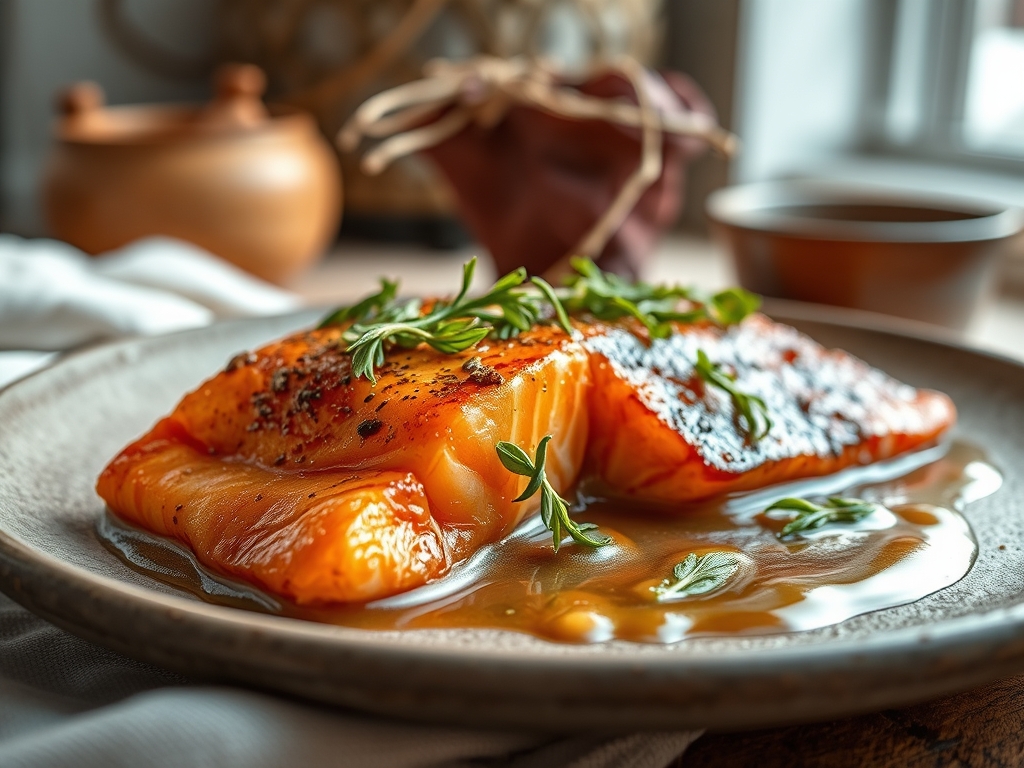
Imagine cracking open a tin and being met with the scent of alderwood smoke and sea salt; it is the ultimate pantry flex for the modern home cook. While many dismiss tinned fish as a backup plan, these smoked canned salmon recipes are actually a strategic shortcut to high-end umami. We are moving past the basic mayo mash to explore how heat, acid, and fat can transform a shelf-stable protein into a centerpiece that rivals a fresh fillet. Whether you are folding it into a silky carbonara or searing it into crispy cakes, the goal is to respect the delicate flake while amplifying that deep, wood-fired profile.
The secret lies in the preservation process itself. Because the fish is cooked inside the can, the natural oils and juices are trapped, creating a concentrated brine that is liquid gold for sauces. We are going to treat this ingredient with the same reverence as a dry-aged steak or a fine pecorino. By the time we are done, you will have six distinct ways to elevate your weeknight rotation from "functional" to "five-star." Get your microplane ready; we are about to turn a simple tin into a culinary masterpiece.
The Gathers:
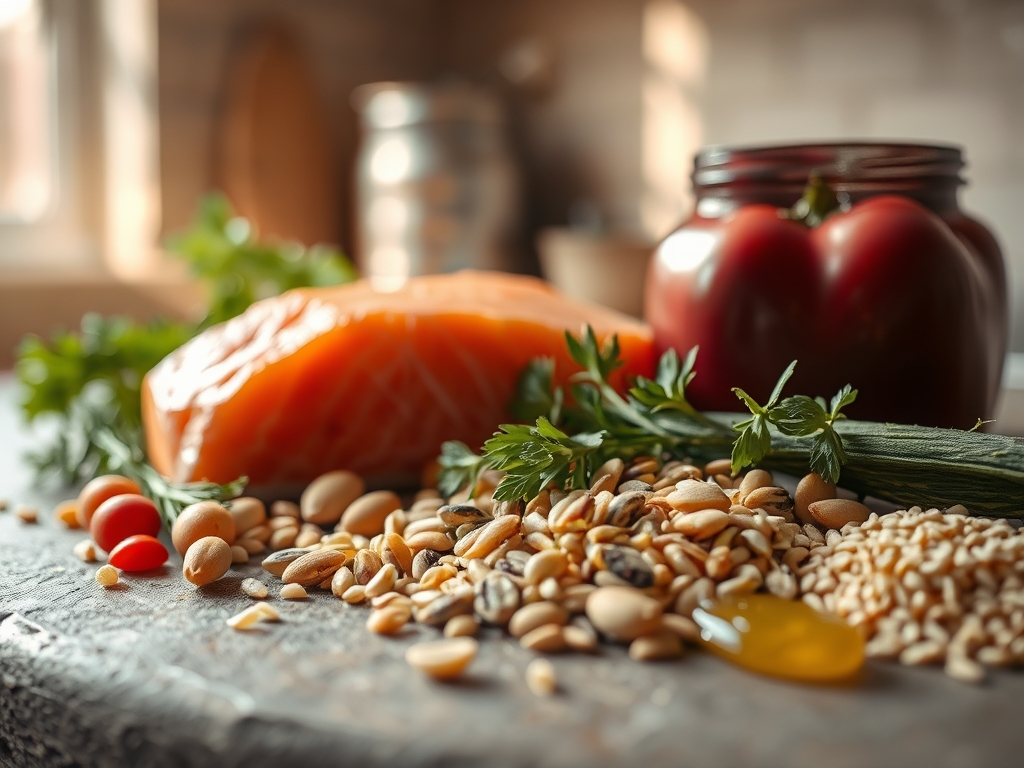
To execute these smoked canned salmon recipes with precision, your mise-en-place must be intentional. Start with high-quality smoked salmon, preferably packed in extra virgin olive oil or its own natural juices to maintain a viscous mouthfeel. You will need a piquant acid source like Meyer lemons or capers to cut through the heavy smoke phenols. For texture, gather panko breadcrumbs, shallots, and fresh dill.
Smart Substitutions: If you lack fresh dill, use fennel fronds for a similar anise-like aromatic. If you are out of Greek yogurt for a creamy base, labneh or silken tofu provide the same protein-dense thickness without altering the flavor profile. Always keep a high-quality Dijon mustard on hand; the mucilage in mustard seeds acts as a natural stabilizer for any vinaigrettes or binders you create.
The Clock:
Efficiency in the kitchen is all about the Chef's Flow. For these smoked canned salmon recipes, your active prep time is a lean 15 minutes, with total cook times ranging from 5 to 20 minutes depending on the application. The flow begins with "The Cold Prep," where you mince your aromatics and zest your citrus. This allows the volatile oils in the lemon zest to infuse into your base fats while you handle the fish.
Next is "The Assembly," where you gently fold the salmon to preserve the integrity of the flakes. Finally, "The Finish" involves high-heat searing or a quick broil. Because the salmon is technically pre-cooked, you are only aiming for a temperature of 120 degrees Fahrenheit to ensure the fats are rendered but the proteins remain tender.
The Masterclass:
1. The Crispy Skin Mimic
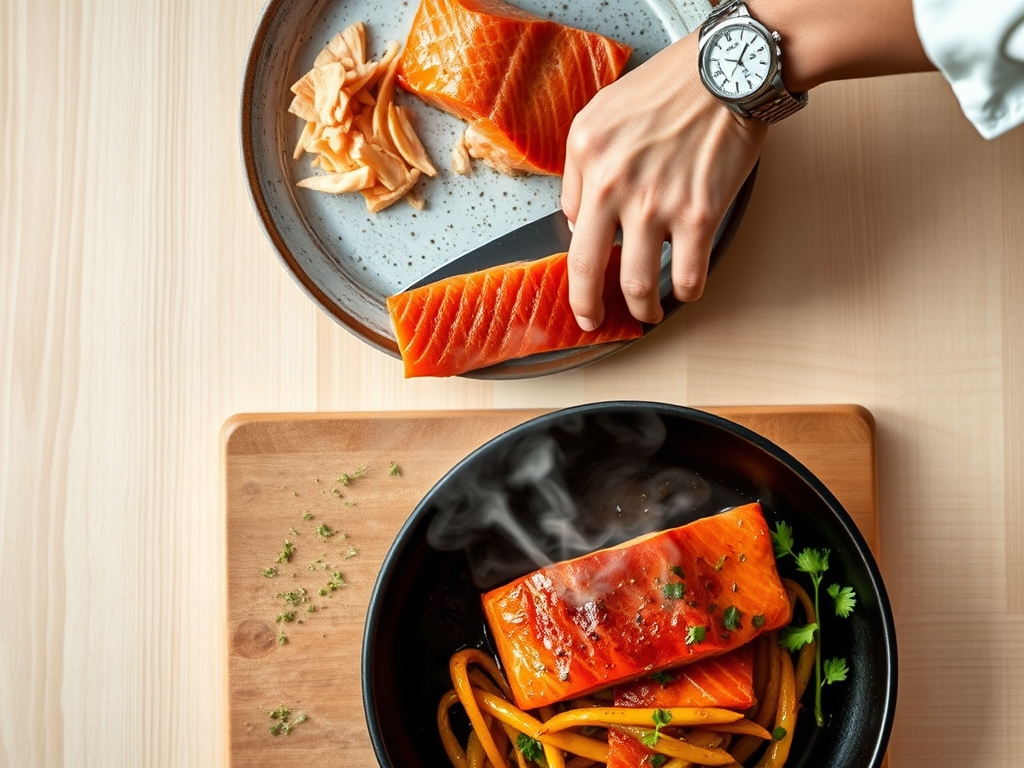
Drain the salmon and pat it dry with a paper towel. Heat a heavy-bottomed skillet with a tablespoon of avocado oil until it reaches the shimmer point. Place the salmon chunks in the pan and do not move them for three minutes. This creates a Maillard reaction on the surface of the fish that mimics the crunch of fresh skin.
Pro Tip: This technique utilizes thermal conductivity. By removing surface moisture, you prevent the formation of steam, allowing the surface temperature to exceed 300 degrees Fahrenheit for optimal browning.
2. The Emulsified Pasta Toss
Boil your pasta in heavily salted water. In a saucier, combine heavy cream, lemon juice, and a splash of pasta water. Whisk vigorously to create an emulsion before folding in the smoked salmon at the very last second.
Pro Tip: The starch in the pasta water acts as a surfactant. It bridges the gap between the fat in the cream and the water, ensuring your sauce clings to the noodles rather than pooling at the bottom of the bowl.
3. The Smoked Salmon Rillette
Use a fork to gently aerate the salmon with softened butter, chives, and a dash of cayenne. Pack the mixture into a ramekin and chill for one hour. Serve with crusty sourdough.
Pro Tip: This is a lesson in lipid saturation. As the butter cools, it traps the smoke particles from the salmon, intensifying the flavor as it sits.
4. The Zesty Salmon Cakes
Combine the salmon with one egg, a tablespoon of Greek yogurt, and finely diced shallots. Use a digital scale to portion them into 60-gram patties for even cooking. Sear in a pan until golden.
Pro Tip: This relies on protein denaturation. The egg proteins uncoil and rebond when heated, acting as a biological glue that holds the flakey salmon together during the flip.
5. The Umami Salad Topper
Toss cold smoked salmon with arugula, toasted walnuts, and a balsamic glaze. Use a microplane to shave frozen Parmesan over the top for a snowy, salty finish.
Pro Tip: Cold temperatures suppress the perception of sweetness but enhance the perception of salt. Shaving the cheese thinly increases the surface area, allowing it to melt instantly on the tongue.
6. The Smoked Salmon Toast
Spread avocado on thick brioche and top with salmon, pickled red onions, and "everything" bagel seasoning. Use a bench scraper to clean your board quickly after prepping the onions.
Pro Tip: The acetic acid in the pickled onions provides a chemical contrast to the fatty salmon. It triggers salivation, which cleanses the palate between bites.
The Deep Dive:
When it comes to nutrition, smoked canned salmon recipes are a powerhouse. A single 5-ounce tin provides roughly 30 grams of high-quality protein and is loaded with Omega-3 fatty acids, specifically EPA and DHA, which are essential for brain health. It is naturally low in carbohydrates, making it a staple for Keto and Paleo lifestyles.
Dietary Swaps: For a vegan alternative, use smoked carrots or king oyster mushrooms treated with liquid smoke. For a gluten-free version of the salmon cakes, swap panko for almond flour or crushed pork rinds to maintain that essential crunch.
The Fix-It:
- Too Salty? Add an acid like lemon or a dollop of unsweetened creme fraiche to neutralize the sodium perception.
- Too Dry? Fold in a teaspoon of the canning liquid or a high-quality olive oil to restore the lipid barrier.
- Falling Apart? Chill your salmon mixture for 20 minutes before cooking; cold fats and proteins bond more tightly.
Meal Prep Science: To reheat, avoid the microwave. Use a low-temperature oven (275 degrees Fahrenheit) to prevent the fats from oxidizing and turning "fishy." This gentle warming preserves the delicate cellular structure of the fish.
The Wrap-Up:
You are now officially a tinned fish connoisseur. We have taken a humble pantry staple and applied professional techniques like emulsification and thermal searing to create meals that are both sophisticated and satisfying. Remember, the best smoked canned salmon recipes are those that balance the heavy smoke with bright, acidic, and herbaceous notes. Now, grab your favorite tin, fire up the stove, and show your kitchen who is boss!
The Kitchen Table:
Can I use the liquid inside the salmon can?
Yes, that liquid is a concentrated stock. Use it to deglaze your pan or add it to pasta sauces for an extra hit of oceanic umami and healthy fats.
How long does canned salmon last once opened?
Transfer any leftovers to an airtight glass container immediately. It will stay fresh in the refrigerator for up to three days before the flavor profile begins to degrade.
Is canned salmon as healthy as fresh salmon?
Absolutely. Canned salmon retains its Omega-3 content and often contains more calcium because the soft, edible bones are usually included and processed during the canning cycle.
Why does my canned salmon smell so strong?
The smell comes from the oxidation of fats. To minimize this, choose salmon packed in oil and always add a fresh squeeze of lemon juice to neutralize the volatile compounds.