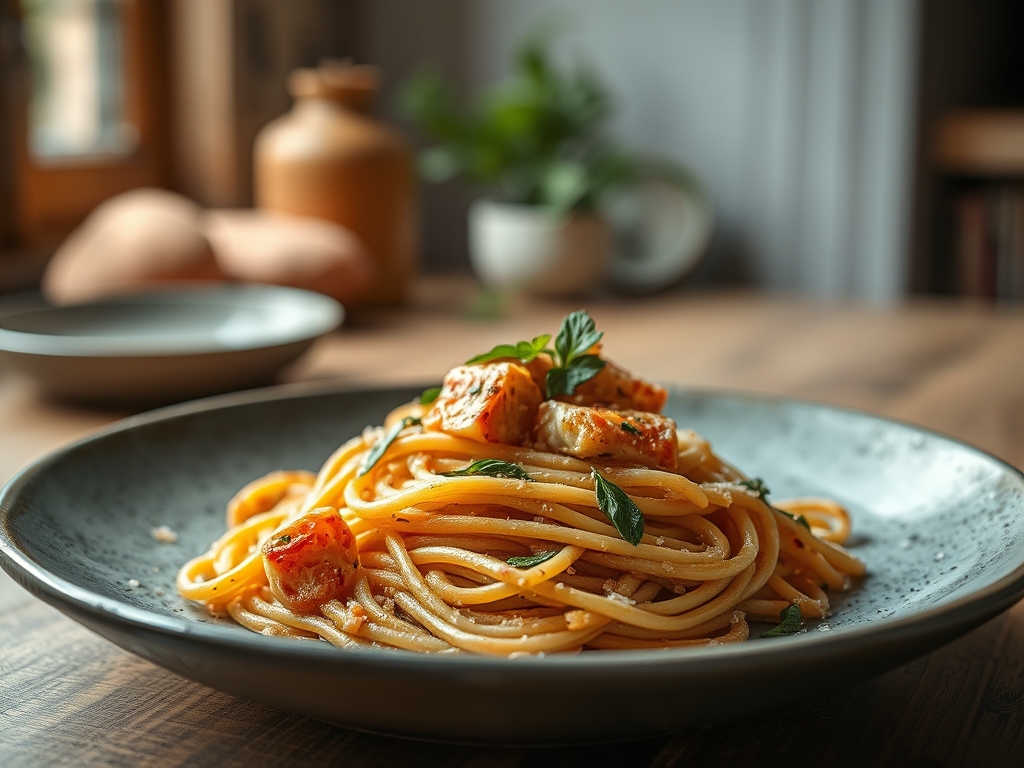
Picture the steam rising from a heavy-bottomed Dutch oven as you pull it from the rack. There is a specific, golden-brown crust that only forms when proteins and sugars collide under intense heat; it is the hallmark of a truly great casserole. When life feels chaotic, these canned salmon recipes pasta dishes provide the ultimate pantry-to-table solution without sacrificing an ounce of sophistication. We are talking about flaky, wild-caught fish nestled in a cocoon of al dente noodles and bubbling cheese.
Canned salmon is the unsung hero of the modern pantry. It is packed with omega-3 fatty acids and offers a convenient, shelf-stable alternative to fresh fillets that often go missing in the back of the fridge. By the time you finish this guide, you will understand how to transform a humble tin of fish into a masterpiece of texture and flavor. We are moving beyond the basic tuna melts of our childhood and entering the realm of refined, oven-baked excellence. Let us get your kitchen smelling like a coastal bistro.
The Gathers:
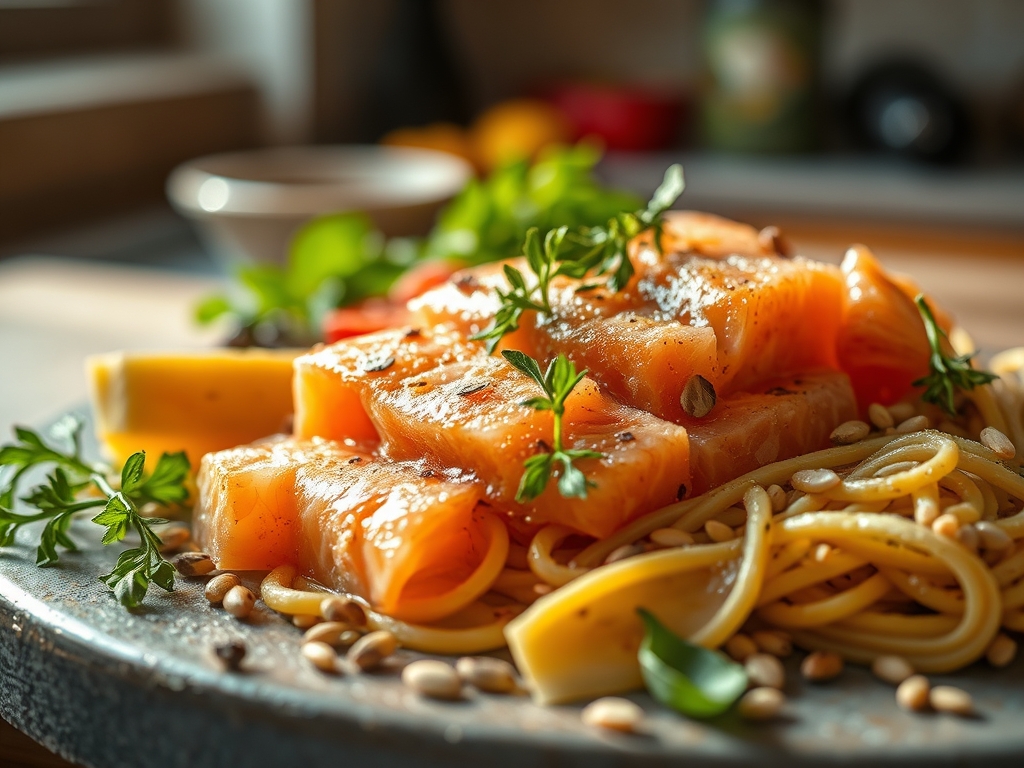
To achieve a restaurant-quality bake, your mise-en-place must be precise. Start with high-quality canned pink or sockeye salmon; ensure you drain the liquid thoroughly to prevent a soggy base. For the pasta, choose shapes with ridges or hollow centers like rigatoni, penne, or fusilli. These shapes create a high surface-area-to-volume ratio, allowing the sauce to cling to every curve.
Your aromatics are the foundation. You will need shallots for their delicate sweetness and garlic for that essential pungent bite. Use a microplane to zest fresh lemons; this releases the essential oils trapped in the flavedo without the bitter pith. For the creamy element, a mixture of heavy cream and sharp cheddar or Gruyere provides the necessary fat content to emulsify beautifully.
Smart Substitutions:
If you find yourself without heavy cream, a full-fat Greek yogurt adds a piquant tang and extra protein. For those avoiding gluten, chickpea-based pastas offer a sturdy structure that holds up well during the secondary bake. If you want to increase the vegetal density, frozen peas or wilted spinach can be folded in during the final mixing stage without requiring extra cook time.
The Clock
Efficiency in the kitchen is about mastering the "Chef's Flow." Total active preparation time for these bakes is approximately 15 minutes, followed by a 25-minute bake. While your pasta water reaches a rolling boil, you should be dicing your aromatics and flaking the salmon.
The goal is to have your sauce base simmering in a saucier just as the pasta reaches two minutes shy of al dente. This overlap ensures that the noodles do not sit and clump; they transition immediately from the boiling water into the sauce. This "par-cooking" method is vital because the pasta will continue to hydrate and soften during its time in the oven.
The Masterclass
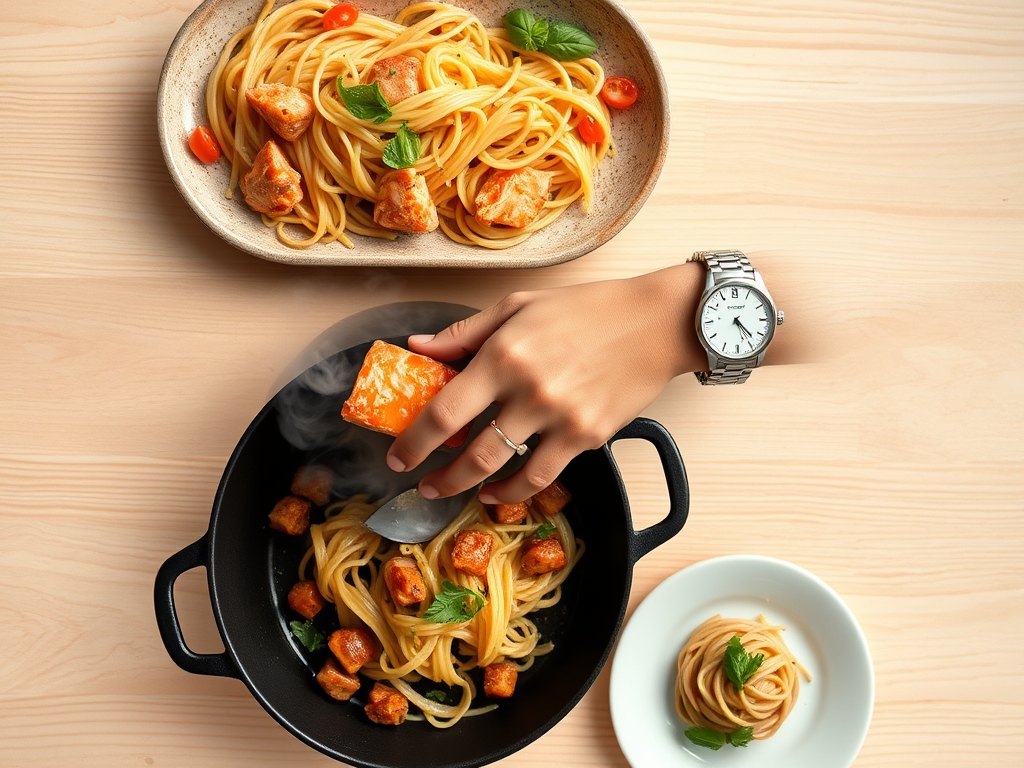
1. The Par-Boil Foundation
Bring a large pot of heavily salted water to a boil. Cook your pasta for exactly three minutes less than the package directions. Use tongs or a spider strainer to move the pasta directly into your mixing bowl.
Pro Tip: This technique accounts for thermal carryover. If you cook the pasta fully in the water, the subsequent 25 minutes in the oven will break down the starch structures, resulting in a mushy, unappealing texture.
2. Rendering the Aromatics
In a heavy-bottomed skillet, melt butter over medium heat until it foams. Add your finely diced shallots and sauté until translucent. This process, known as sweating, softens the cellulose without browning the sugars.
Pro Tip: Sweating the vegetables at a lower temperature prevents the Maillard reaction from happening too early. You want the sweetness of the onion to support the salmon, not compete with a charred, bitter flavor.
3. Creating the Emulsion
Whisk in flour to create a blonde roux, then slowly incorporate your dairy. Stir constantly with a silicone whisk to ensure a smooth, viscous consistency. Once thickened, fold in your flaked salmon and lemon zest.
Pro Tip: Starch granules in the flour swell and burst as they heat, a process called gelatinization. This creates the structural "glue" that keeps your sauce from breaking into a greasy mess under high heat.
4. The Fold and Incorporate
Combine the par-cooked pasta with the salmon cream sauce. Use a bench scraper or a large spatula to fold the ingredients together gently. You want to keep the salmon chunks relatively intact to provide textural contrast.
Pro Tip: Gentle folding prevents the mechanical breakdown of the fish fibers. Preserving these larger flakes ensures that every bite has a distinct "meaty" mouthfeel rather than a uniform, grainy paste.
5. The Topping and Crust
Transfer the mixture to a ceramic baking dish. Top with a mixture of Panko breadcrumbs, melted butter, and parmesan cheese. Bake at 375 degrees Fahrenheit until the top is a deep amber.
Pro Tip: The crunch on top is a result of dehydration. As the oven heat evaporates moisture from the breadcrumbs, the proteins and carbohydrates undergo the Maillard reaction, creating complex savory flavors and a crisp finish.
6. The Rest Period
Remove the dish from the oven and let it sit for at least five minutes before serving. This is the hardest part, but it is the most critical for a perfect slice.
Pro Tip: Resting allows the sauce to re-absorb any expressed moisture and set. This ensures that when you scoop into the bake, the sauce stays attached to the pasta rather than pooling at the bottom of the dish.
The Deep Dive
From a macro perspective, these canned salmon recipes pasta dishes are a powerhouse. A single serving typically provides 25 to 30 grams of protein and a significant dose of Vitamin D. Because we are using canned salmon, you also benefit from the calcium found in the softened bones, which are completely edible and blend into the sauce.
Dietary Swaps:
For a Keto-friendly version, swap the pasta for roasted cauliflower florets and use almond flour as a thickening agent. Vegans can replicate the experience using canned jackfruit for texture, cashew cream for the base, and nutritional yeast for that essential cheesy funk.
The Fix-It:
- Broken Sauce: If your sauce looks oily, whisk in a tablespoon of hot pasta water. The residual starch acts as a stabilizer to re-emulsify the fats.
- Dry Bake: If the pasta absorbed too much liquid, pour a splash of warm milk over the top before reheating.
- Bland Flavor: Usually, this means you need more acid. A squeeze of fresh lemon juice or a dash of hot sauce can brighten the entire profile instantly.
Meal Prep Science:
When reheating, do not use high microwave power. This toughens the fish proteins. Instead, use 50 percent power and add a damp paper towel over the bowl to create a steam chamber. This restores the moisture to the starch molecules, giving you "day-one" creaminess.
The Wrap-Up
Mastering the art of the salmon bake is about more than just opening a can; it is about understanding how heat, starch, and fat interact to create comfort. These six variations allow you to pivot from a classic creamy dill bake to a spicy chipotle salmon fusion with ease. You now have the technical knowledge to turn a pantry staple into a gourmet event. Go grab your digital scale, measure out your ingredients, and let the oven do the heavy lifting.
The Kitchen Table
Can I use the liquid from the salmon can?
It is best to drain it. While flavorful, the extra liquid can throw off your sauce's viscosity and make the bake watery. Use a splash of dry white wine or chicken stock instead for a cleaner flavor profile.
What is the best pasta shape for salmon bakes?
Choose shapes with high surface area like penne or conchiglie. These "sauce-catchers" ensure that the creamy salmon mixture fills every nook, providing a consistent ratio of fish to pasta in every single bite you take.
How long does canned salmon pasta stay fresh?
Stored in an airtight container, it remains delicious for up to three days. The flavors often deepen overnight as the aromatics continue to infuse the sauce. Always reheat gently to maintain the delicate texture of the salmon flakes.
Do I need to remove the bones from canned salmon?
No, the canning process pressure-cooks the bones until they are soft and crumbly. They provide a massive boost of calcium and disappear into the texture of the bake. Simply flake the meat with a fork and incorporate.
Why is my pasta bake dry after cooking?
You likely overcooked the pasta in the boiling water or used too little sauce. Always pull the noodles while they are still firm and ensure your sauce is slightly thinner than you want the final result to be.