
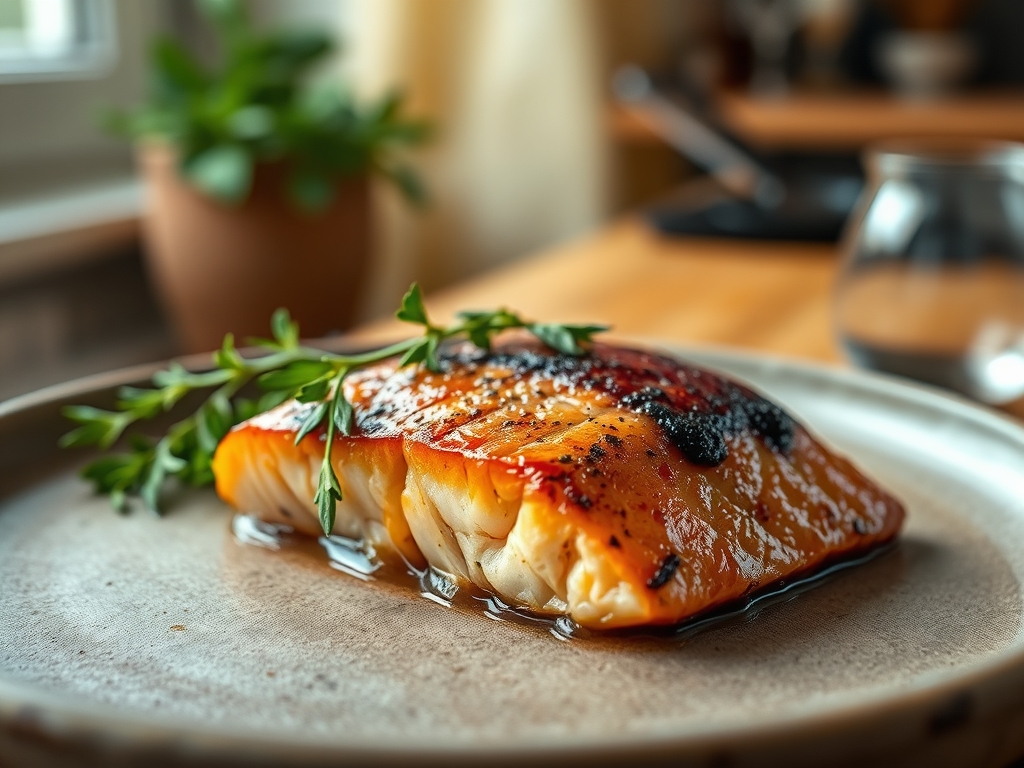
Imagine the sound of a cold, heavy-bottomed skillet meeting a high-flame burner; that sharp, rhythmic click of the igniter is the prelude to greatness. We are about to master french salmon recipes that bridge the gap between rustic bistro charm and high-science precision. Picture a fillet with skin so crisp it shatters like glass, revealing a translucent, butter-soft interior that melts on the tongue. This is not just cooking; it is an exercise in thermal control and aromatic infusion. We are chasing that perfect Maillard reaction while preserving the delicate, omega-3-rich fats that make Atlantic salmon the crown jewel of the garde manger.
French cuisine is often misunderstood as being overly complicated, but in reality, it is a disciplined study of heat and fat. Whether we are poaching in a fragrant court bouillon or pan-searing with a mountain of cold, unsalted butter, the goal remains the same: elevating the natural profile of the fish. Today, we are diving into nine variations of this classic protein. We will explore the silky depths of a Sorrel-infused cream sauce, the piquant bite of a mustard-crusted roast, and the herbaceous clarity of a traditional en papillote. Grab your apron and your sharpest chef knife. We are going to transform your kitchen into a Parisian atelier where the air smells of lemon zest, fresh tarragon, and the nutty aroma of beurre noisette.
The Gathers:
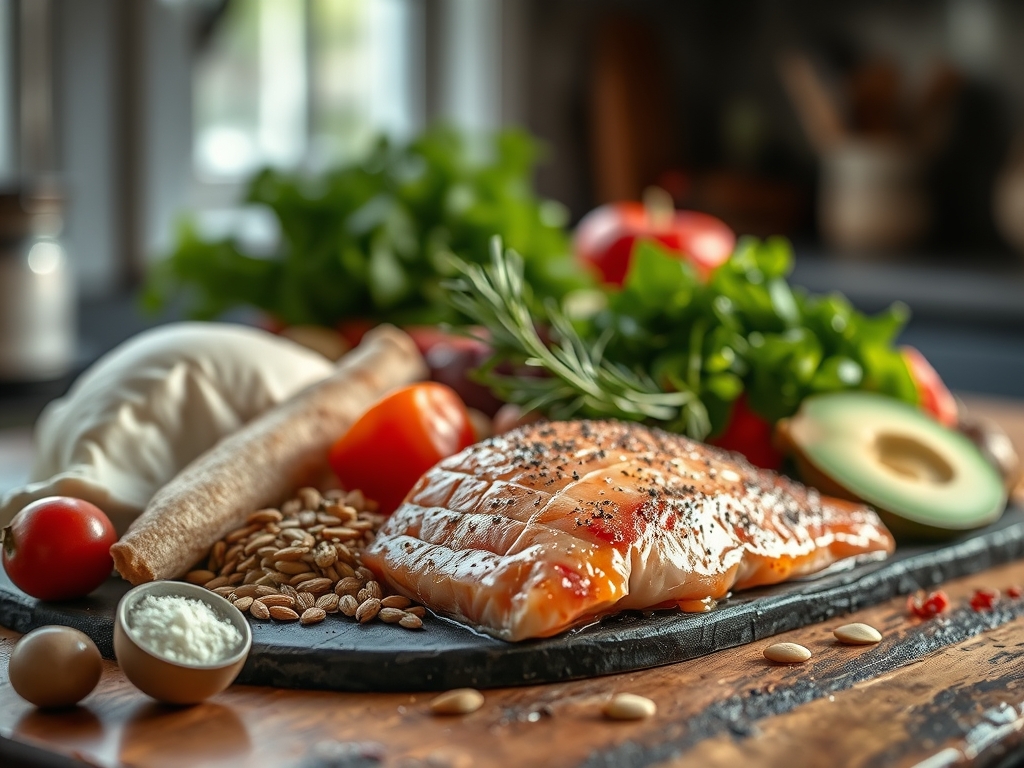
To execute these french salmon recipes with professional finesse, your mise-en-place must be immaculate. Start with center-cut fillets; these provide the most uniform thickness, which is vital for even heat distribution. You will need high-fat European butter (look for 82 percent butterfat or higher) because the lower water content prevents the sauce from breaking. Freshness is non-negotiable. Your herbs (tarragon, chervil, parsley, and chives) should be turgid and vibrant. If they are wilting, their volatile oils have already dissipated.
The Essential Toolkit:
You cannot achieve a five-star sear in a flimsy pan. Reach for a heavy-bottomed stainless steel skillet or a seasoned cast iron pan to ensure high heat retention. You will also need a flexible fish spatula to slide under the delicate skin without tearing it, a microplane for aerating citrus zest, and a digital scale for precise seasoning. Salt is your most important chemical tool; use Diamond Crystal Kosher salt for its hollow flake structure, which adheres better to the protein fibers.
Smart Substitutions:
If you cannot find fresh sorrel (which has a distinct oxalic acid tang), a mixture of baby spinach and extra lemon juice mimics that sharp, green profile. For those avoiding dairy, a high-quality cashew cream can be used to achieve a similar viscous mouthfeel, though you will lose the specific nutty notes provided by toasted milk solids. If you are out of dry white wine for deglazing, a splash of verjus or a diluted white wine vinegar will provide the necessary acidity to cut through the fatty acids of the salmon.
The Clock: 25 Minutes to Perfection
The "Chef's Flow" is all about sequence. Total preparation takes roughly 10 minutes, focusing on drying the fish and mincing aromatics. The active cooking time for most french salmon recipes is a swift 12 to 15 minutes. The secret is the "rest." Just as you would rest a steak, salmon requires 3 minutes off the heat to allow the internal temperature to equalize. This prevents the juices from rushing out the moment you slide your fork in, ensuring every bite is succulent rather than stringy.
The Masterclass:
1. The Critical Dry-Brine
Pat the salmon fillets bone-dry with paper towels. Season generously with kosher salt and let them sit at room temperature for 15 minutes. This process, known as denaturation, draws moisture to the surface and then reabsorbs the seasoned brine, deeply flavoring the flesh.
Pro Tip: Drying the skin is the only way to achieve a crisp texture. Moisture is the enemy of the Maillard reaction; if the skin is wet, it will steam rather than sear.
2. High-Heat Initiation
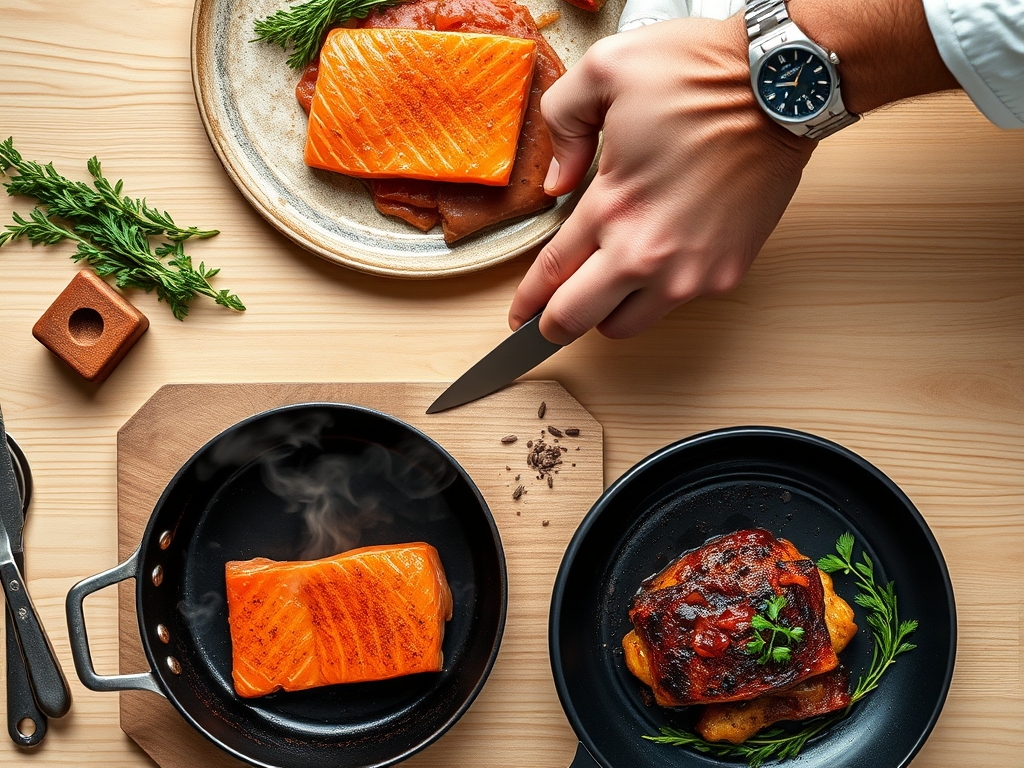
Heat your skillet until the oil begins to shimmer and reach its smoke point. Place the salmon skin-side down, pressing firmly with your fish spatula for 30 seconds. This prevents the protein from curling as the collagen fibers contract under sudden heat.
Pro Tip: This initial press ensures maximum surface area contact, leading to a uniform, golden-brown crust through conductive heat transfer.
3. The Arrosage (Basting)
Once the skin is crisp and the fish is 70 percent cooked, flip it gently. Drop a knob of cold butter, crushed garlic, and a sprig of thyme into the pan. As the butter foams, use a large spoon to continuously pour the hot, flavored fat over the fish.
Pro Tip: Basting, or arrosage, uses the hot fat to cook the top of the fish gently while infusing it with aromatics without overcooking the delicate center.
4. Deglazing the Fond
Remove the fish and set it aside to rest. Pour off the excess fat but keep the brown bits (the fond) at the bottom of the pan. Pour in a splash of dry Vermouth or Sauvignon Blanc, using a wooden spoon to scrape up those concentrated flavor molecules.
Pro Tip: Deglazing releases the concentrated sugars and proteins stuck to the pan, creating the structural base for a complex, pan-style sauce.
5. Emulsifying the Sauce
Lower the heat and whisk in cold cubes of butter or a touch of heavy cream. Whisk vigorously to create a stable emulsion. Finish with a squeeze of fresh lemon juice and a handful of "fines herbes" to brighten the heavy fats.
Pro Tip: Adding cold butter to a warm liquid creates a "beurre monté." The cold temperature prevents the milk solids from separating, resulting in a silky, viscous finish.
The Deep Dive:
Macro Nutrition:
Salmon is a nutritional powerhouse, offering approximately 20 grams of protein and 12 grams of healthy fats per 100-gram serving. It is exceptionally high in Vitamin B12 and Selenium. When following french salmon recipes, the addition of butter and cream increases the caloric density, making it a perfect centerpiece for a high-protein, moderate-fat lifestyle.
Dietary Swaps:
For a Keto version, simply omit any flour dusting and serve alongside roasted asparagus. For Vegan guests, use this same French technique on a thick slab of "Lion's Mane" mushroom or a cauliflower steak; the Maillard principles remain identical. If you are Gluten-Free, ensure your thickeners are arrowroot or simply reduce your cream sauces further to achieve the desired "nappe" consistency.
The Fix-It: Common Pitfalls
- The White Gunk (Albumin): If you see white bubbles seeping out, the heat was too high too fast. Fix: Lower your flame and pull the fish off 2 degrees early.
- Stuck Skin: You tried to flip too soon. Fix: Wait for the protein to "self-release." When the crust is formed, it will naturally detach from the metal.
- Broken Sauce: If your cream sauce looks oily, it got too hot. Fix: Remove from heat immediately and whisk in a teaspoon of ice-cold heavy cream to re-emulsify the fats.
Meal Prep & Reheating:
To maintain "day-one" quality, never microwave salmon. The high-frequency waves agitate the fat molecules, making the fish taste "fishy." Instead, reheat it in a 275-degree oven covered with foil and a teaspoon of water. This creates a gentle steam environment that revives the moisture without overcooking the core.
The Wrap-Up:
Mastering french salmon recipes is your ticket to culinary confidence. By understanding the science of heat, the necessity of a dry surface, and the magic of a butter emulsion, you have moved beyond following a list of steps to actually understanding the "why" behind the flavor. Go forth and sear with bravery; your kitchen table is now the best bistro in town!
The Kitchen Table:
Why does my salmon always stick to the pan?
Usually, the pan or the oil wasn't hot enough before adding the fish. Ensure the oil is shimmering. Also, avoid moving the fish for the first two minutes; the protein needs time to sear and naturally release from the surface.
What is the best internal temperature for French-style salmon?
For a perfect "medium-rare" to "medium" finish, pull the salmon off the heat when it hits 125 degrees Fahrenheit. Thermal carryover will bring it up to a final, succulent temperature of 130 to 135 degrees while it rests.
Can I use frozen salmon for these recipes?
Yes, but you must thaw it completely in the refrigerator and pat it extremely dry. Frozen fish often releases more moisture, so a longer "air-dry" period in the fridge (uncovered) can help achieve that elusive crispy skin.
What are "Fines Herbes" exactly?
In French cooking, this refers to a specific, delicate blend of fresh parsley, chives, tarragon, and chervil. Unlike hardy herbs like rosemary, these are added at the very end of cooking to preserve their volatile, aromatic oils and bright color.