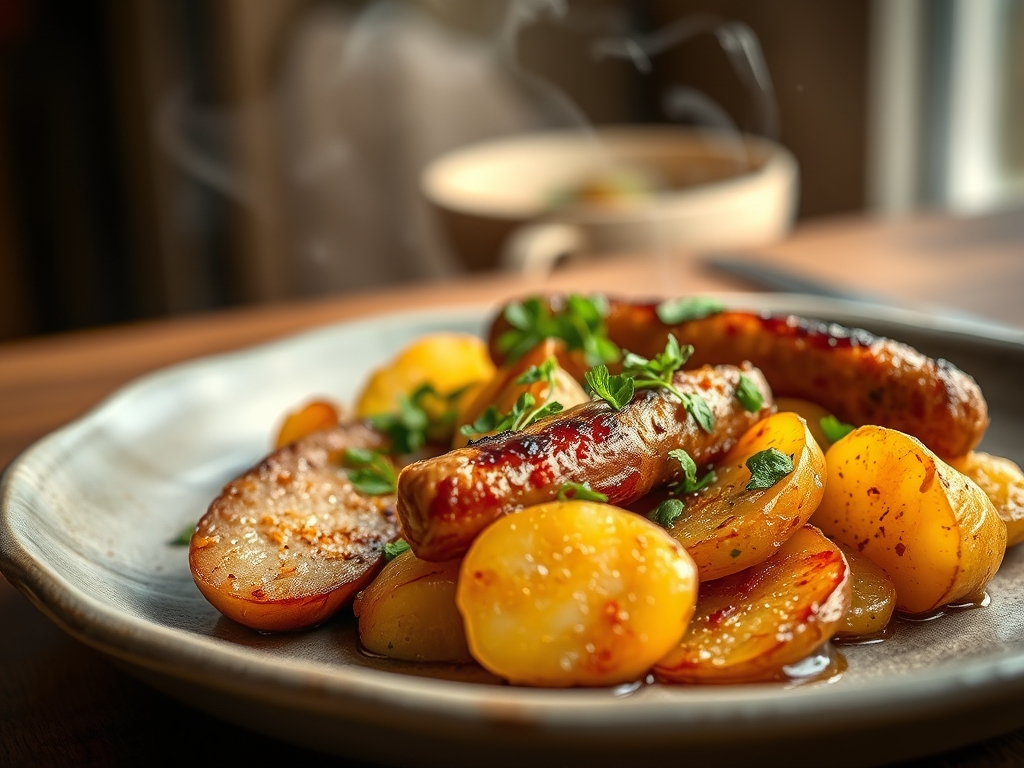
Picture the sound of a heavy-bottomed skillet meeting a high-flame burner. There is a specific, rhythmic hiss that occurs the moment a sliced bratwurst hits hot fat. It is the sound of protein transforming. When you are searching for the ultimate brat and potato recipes, you are not just looking for fuel; you are looking for that perfect intersection of snappy casing and fluffy, starch-heavy interiors. We are diving into seven variations of this classic comfort duo, elevated by professional techniques that turn a simple weeknight dinner into a masterclass in texture.
The magic of these brat and potato recipes lies in the contrast. You want the sausage to render its fat, creating a flavored oil that perfumes the potatoes as they crisp. It is a symbiotic relationship where the piquant spices of the bratwurst infuse the neutral, earthy canvas of the spud. We are going to move past basic frying and into the realm of deglazing, emulsifying, and strategic searing. Whether you are craving a vinegar-forward German style or a cheesy, decadent hash, the science remains the same. Grab your favorite apron; we are about to make your kitchen smell like a high-end gastropub.
The Gathers:
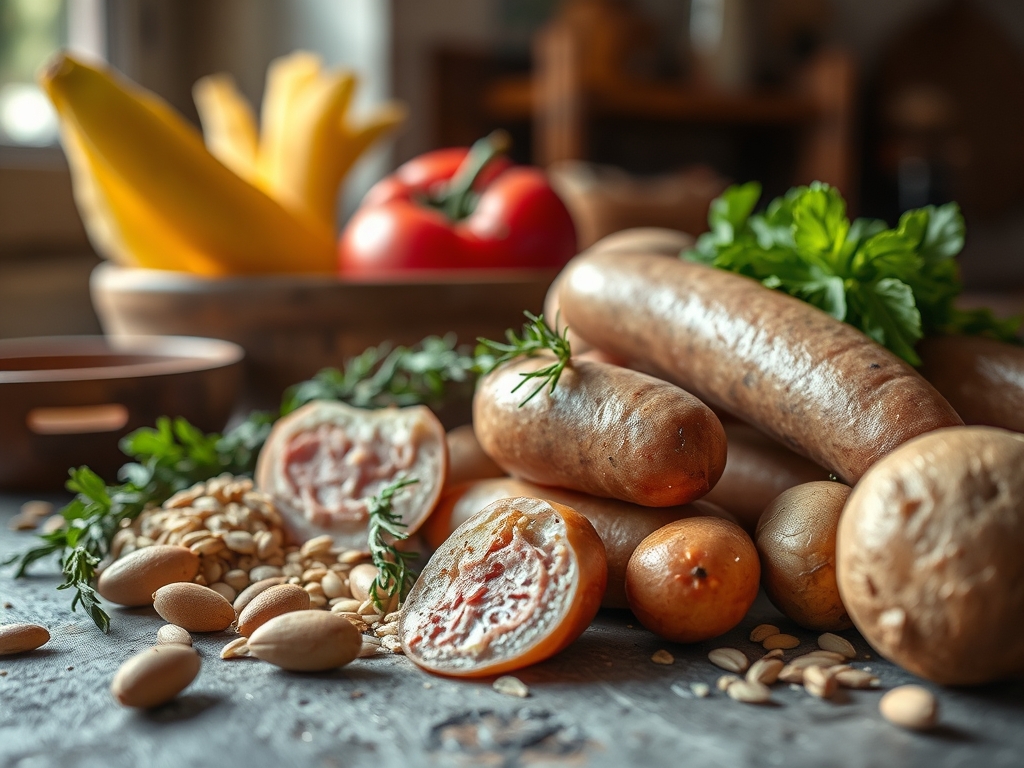
To execute these recipes with precision, your mise-en-place must be impeccable. Start with your starch. For a skillet meal, Yukon Gold potatoes are the gold standard because their medium starch content allows them to hold their shape while developing a creamy interior. If you prefer a shatteringly crisp edge, reach for a Russet, but be prepared for more breakage. For the brats, look for fresh, uncooked links rather than pre-boiled varieties. The raw fat content is essential for the rendering process.
Your aromatic kit should include yellow onions, which have a high sugar content perfect for caramelization, and fresh garlic. Do not use a press; use a sharp chef knife or a microplane to create a paste that integrates seamlessly into the sauce. You will also need a high-smoke-point oil like avocado or grapeseed, as extra virgin olive oil will smoke and turn bitter before the potatoes achieve the desired Maillard reaction.
Smart Substitutions:
If you are looking to lighten the profile, turkey or chicken brats work beautifully, though you may need to add a tablespoon of butter to compensate for the lower fat yield. For a lower-carb profile, submerge cauliflower florets or radishes in the rendered fat. Radishes, when seared, lose their peppery bite and take on a texture remarkably similar to a red potato. Finally, if you lack fresh herbs, use a digital scale to measure dried herbs at one-third the volume of fresh to ensure the flavor profile remains balanced and not medicinal.
The Clock
Efficiency in the kitchen is all about "Chef's Flow." Total preparation time for these recipes typically clocks in at 15 minutes, with a cook time of 25 to 30 minutes. The secret to minimizing your time over the stove is the par-boil technique. By boiling your potato cubes in salted water for five minutes before they hit the skillet, you ensure the interior is cooked through by the time the exterior is golden.
While the potatoes boil, use your bench scraper to clear your cutting board of chopped aromatics. This keeps your workspace clean and prevents cross-contamination. The "Flow" dictates that your brats go into the skillet first to render fat, followed by the potatoes, and finally the delicate aromatics like garlic and herbs in the last three minutes to prevent scorching.
The Masterclass
1. The Rendering Phase
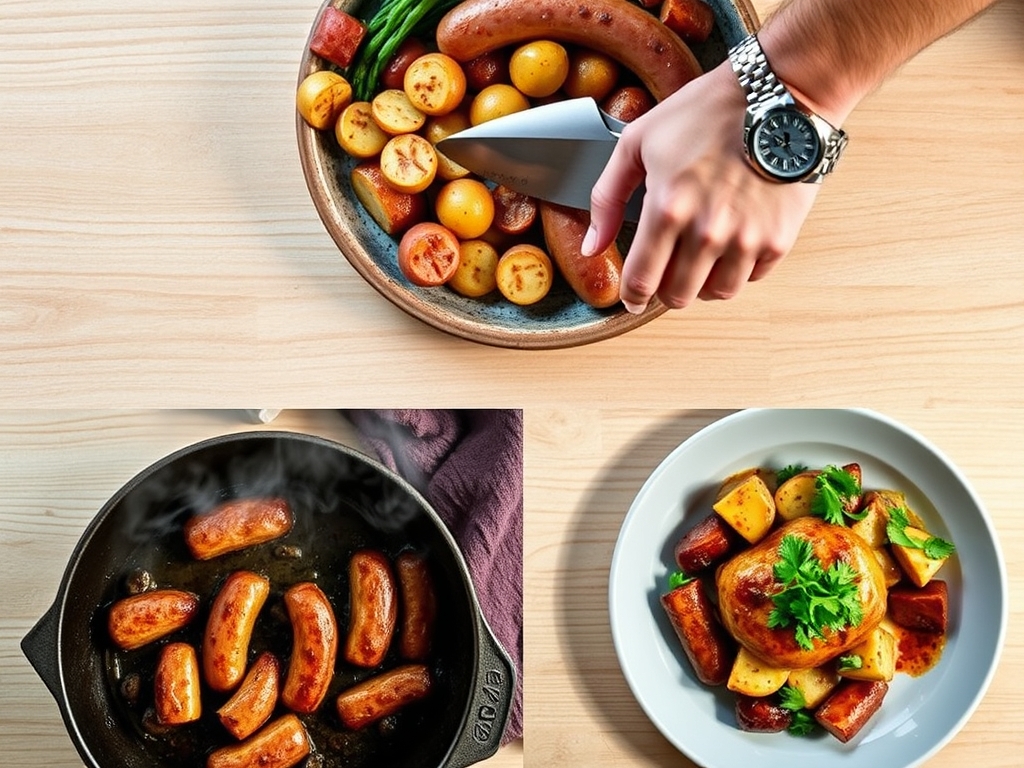
Place your sliced brats into a cold heavy-bottomed skillet and then turn the heat to medium. This "cold start" allows the fat to liquefy and exit the casing before the exterior sears shut. Use tongs to flip each coin once a deep mahogany crust forms.
Pro Tip: This process utilizes thermal rendering. By starting cold, you prevent the proteins from tightening too quickly, which results in a juicier sausage and more available fat for frying your potatoes.
2. The Starch Sear
Remove the sausages and add your par-boiled potatoes to the residual fat. Increase the heat to medium-high. Do not crowd the pan; if the potatoes are overlapping, they will steam instead of fry, resulting in a soggy texture.
Pro Tip: This is the Maillard reaction in action. The sugars and amino acids on the potato surface react under high heat to create hundreds of different flavor compounds. Avoid stirring for the first four minutes to allow a crust to build.
3. Deglazing the Fond
Once the potatoes are crisp, add your onions and peppers. As they release moisture, use a wooden spoon to scrape the brown bits (the fond) off the bottom of the pan. If the pan looks dry, add a splash of lager or apple cider vinegar.
Pro Tip: Deglazing is a chemical process that dissolves caramelized proteins into a viscous sauce. This ensures that every ounce of flavor from the meat is redistributed onto the vegetables.
4. The Emulsification Finish
Return the brats to the pan and add a knob of cold butter or a splash of heavy cream. Toss vigorously. The agitation combined with the starch from the potatoes will create a glossy, cohesive coating.
Pro Tip: This creates a temporary emulsion. The fats and liquids bind together, preventing the dish from feeling "greasy" and instead giving it a luxurious, restaurant-quality mouthfeel.
The Deep Dive
From a nutritional standpoint, these brat and potato recipes are powerhouse meals. A standard serving provides roughly 25g of protein and 35g of complex carbohydrates. To balance the dish, always serve with a side of acidic greens or sauerkraut to aid in digestion and cut through the richness of the fats.
Dietary Swaps:
For a Keto-friendly version, swap potatoes for turnips or daikon radish. For Vegan guests, use plant-based sausages and Yukon Golds tossed in coconut oil and smoked paprika to mimic the savory depth of pork fat. All seven recipes are naturally Gluten-Free as long as you verify your bratwurst brand does not use flour as a binder.
The Fix-It:
- Soggy Potatoes: Usually caused by overcrowding. Fix: Remove half the potatoes and fry them in two batches to allow steam to escape.
- Burnt Garlic: Happens when added too early. Fix: Stir in a tablespoon of tomato paste or water to lower the pan temperature immediately and mask the bitterness.
- Dry Meat: Caused by over-slicing before cooking. Fix: Sear whole links first, then slice and return to the pan for the final toss.
Meal Prep:
When reheating, avoid the microwave. The waves agitate water molecules, making the potato starch "weep" and become gummy. Instead, use a saucier or small skillet with a teaspoon of water and a lid. The steam will re-hydrate the meat while the dry heat of the pan bottom re-crisps the potato skins.
The Wrap-Up
Mastering brat and potato recipes is like learning the secret handshake of comfort food. It is about respecting the ingredients enough to let them brown properly and understanding that a little bit of science goes a long way in the kitchen. Whether you are deglazing with a dark stout or finishing with a handful of fresh parsley and lemon zest, you now have the technical foundation to make these seven skillets your own. Go forth, sear with confidence, and remember that the best flavor is always found in the brown bits at the bottom of the pan!
The Kitchen Table
Can I use frozen potatoes for these recipes?
Yes, but thaw and pat them dry first. Excess moisture prevents the Maillard reaction, leading to steaming rather than searing. For the best results, toss frozen spuds in a little cornstarch before hitting the hot heavy-bottomed skillet.
What is the best bratwurst for a skillet?
Fresh, uncooked pork bratwurst is superior. It provides the necessary fat to fry the potatoes. If using pre-cooked links, add two tablespoons of butter or oil to the pan to ensure the potatoes crisp properly without sticking.
How do I stop my potatoes from sticking?
Ensure your pan is fully preheated before adding fat. Use a stainless steel skillet or seasoned cast iron. Once the potatoes hit the pan, do not move them until they naturally release from the surface, indicating a crust has formed.
Why add vinegar to a potato skillet?
Vinegar acts as a "brightener." The acetic acid cuts through the heavy fats of the sausage, balancing the palate. It also helps break down the potato starch slightly, creating a silkier texture when tossed with the remaining pan juices.