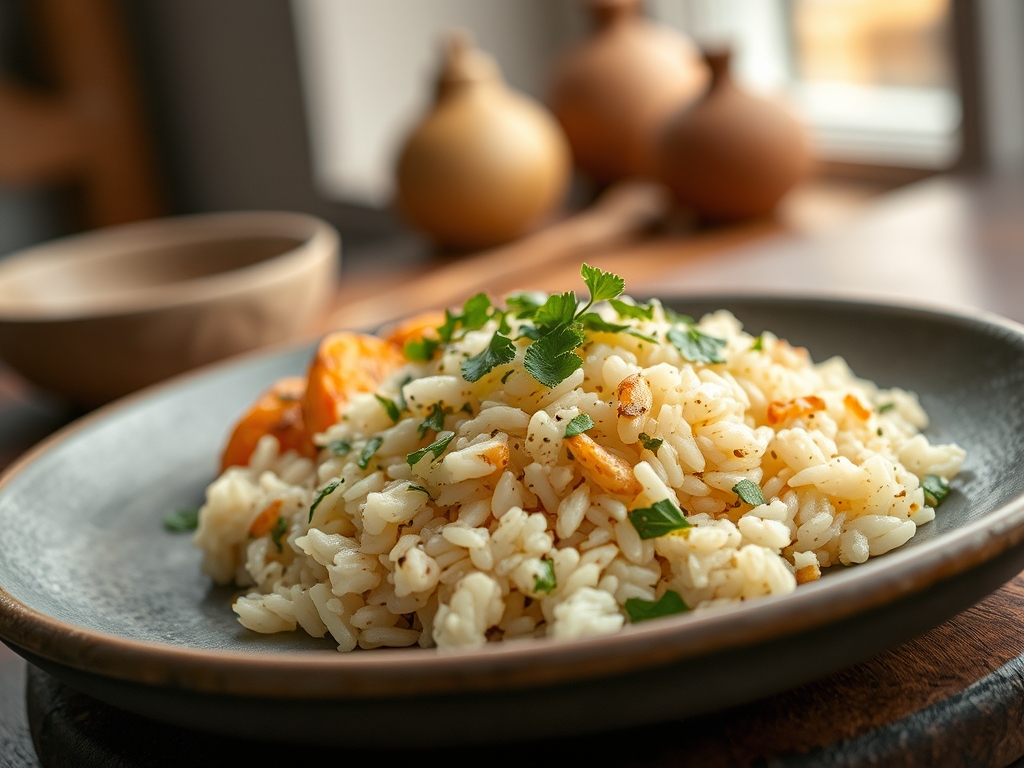
Picture the ultimate comfort scene: a rainy Tuesday evening where the kitchen windows are clouded with steam and the air smells like toasted starch and golden butter. We are moving past the tired debate of grain versus tuber to embrace the glorious, double-carb synergy of rice potato recipes. This is not just filler; it is a calculated play on texture and satiety. When you combine the fluffy, light structure of long-grain rice with the creamy, dense mouthfeel of a Yukon Gold, you create a structural masterpiece that absorbs sauces like a sponge while providing a satisfying, toothsome bite. We are diving into eight distinct ways to blend these powerhouses into dinner rotations that feel like a warm hug but taste like a high-end bistro.
The magic lies in the chemistry of the starches. Rice provides a linear, crystalline structure, while potatoes offer a globular, pectin-heavy base. When they meet in a heavy-bottomed skillet, they undergo a dual-stage caramelization that single-starch dishes simply cannot replicate. We are talking about crispy-bottomed Persian tahdig styles, hearty Indian Aloo Pulao, and rustic European porridges that will redefine your pantry staples. Grab your favorite apron and a glass of something crisp; we are about to turn these humble ingredients into the undisputed stars of your dinner table.
The Gathers:
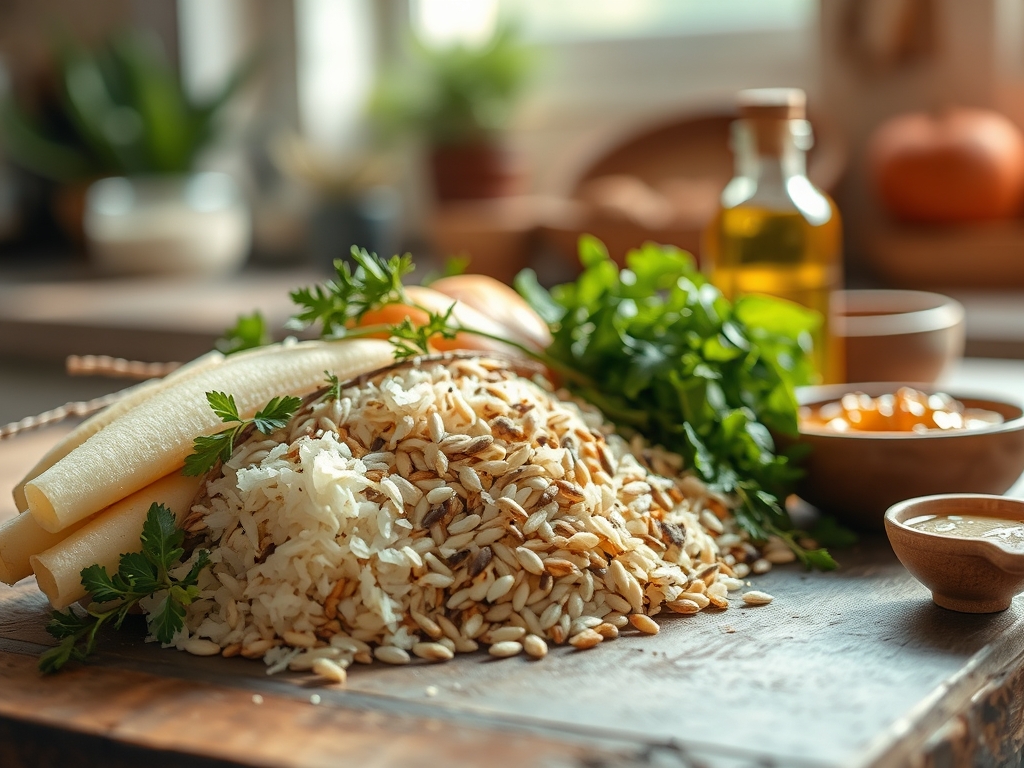
Setting up your station is about more than just convenience; it is about managing moisture levels to prevent a gummy disaster. Your mise-en-place should look like a laboratory of textures. You will need high-quality Basmati or Jasmine rice, which offers the necessary length and low-amylopectin count to stay separate. For the potatoes, reach for waxy varieties like Red Bliss or buttery Yukon Golds. These hold their shape during the vigorous agitation of a sauté.
You will also need a sharp chef's knife for precise dicing; uniformity is the key to even thermal distribution. Gather your aromatics: shallots, garlic, and perhaps some fresh ginger. Use a digital scale to measure your water-to-grain ratio precisely, as even a 10-gram deviation can alter the final viscosity of the dish. For your fats, keep high-smoke-point oils and unsalted European-style butter on hand to facilitate the Maillard reaction without burning the milk solids.
Smart Substitutions:
If you are looking to lighten the glycemic load, swap white rice for sprouted brown rice or farro; just be prepared to increase your liquid volume by twenty percent. For a lower-carb profile that still feels indulgent, use parsnips or celery root in place of potatoes. They offer a similar density with a piquant, earthy undertone that pairs beautifully with toasted grains.
The Clock
Efficiency in the kitchen is dictated by the "Chef's Flow," a sequence of tasks that minimizes downtime. For most rice potato recipes, you are looking at a 15-minute prep window and a 25-to-35-minute cook cycle. Start by soaking your rice. This step is non-negotiable as it hydrates the outer bran and ensures even cooking. While the rice soaks, use a bench scraper to clear your board of diced potatoes.
The first ten minutes of cooking are active: rendering fats and searing the potatoes to develop a crust. Once the liquid is added, the process becomes passive. This is your window to prepare a bright chimichurri or a simple yogurt raita to balance the density of the starches. Remember to factor in a five-minute "rest" period once the heat is killed. This allows the steam to redistribute, preventing the bottom layer from sticking to your saucier.
The Masterclass
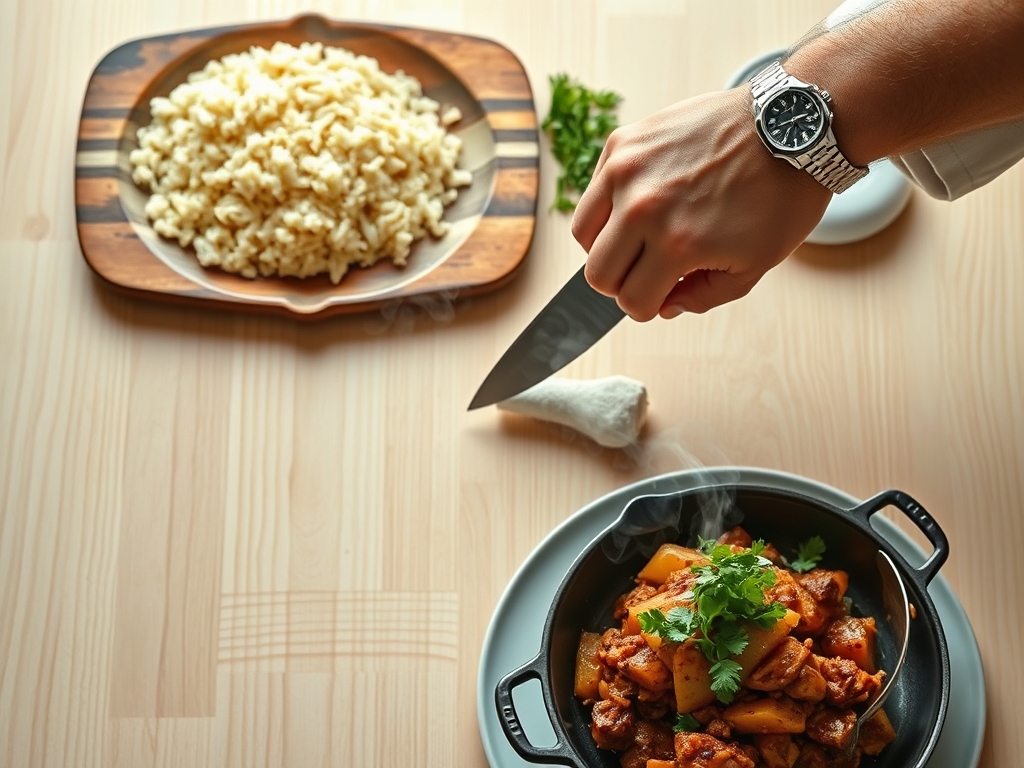
1. The Parboil and Soak
Rinse your rice in a fine-mesh strainer until the water runs clear to remove excess surface starch. Soak for twenty minutes in salted water. Meanwhile, peel and cube your potatoes into half-inch pieces.
Pro Tip: Soaking rice initiates enzymatic activation, which softens the grain and allows for faster heat penetration, preventing the outside from turning to mush before the core is cooked.
2. The Searing Phase
Heat a heavy-bottomed skillet with oil and butter. Add the potatoes and sear until a golden-brown crust forms on at least two sides. Do not crowd the pan; you want to avoid steaming the tubers.
Pro Tip: This crust is the result of the Maillard reaction, where amino acids and reducing sugars rearrange to create complex flavor compounds that raw potatoes lack.
3. Aromatics and Infusion
Lower the heat and add your minced aromatics. Use a microplane to grate in fresh garlic or ginger for maximum surface area. Stir constantly with a silicone spatula to prevent the sugars from scorching.
Pro Tip: Fat is a flavor carrier. By sautéing aromatics in oil, you infuse the lipid layer with fat-soluble volatile compounds that will eventually coat every grain of rice.
4. The Deglaze and Simmer
Add the drained rice to the pan and toast it for two minutes until the edges look translucent. Pour in your stock or water. Use a wooden spoon to scrape up the browned bits (fond) from the bottom of the pan.
Pro Tip: Deglazing releases the caramelized proteins stuck to the pan, integrating that deep, savory "umami" back into the liquid that the rice will soon absorb.
5. The Steam Lock
Bring the liquid to a boil, then immediately drop the heat to the lowest setting. Cover with a tight-fitting lid. If your lid is loose, wrap it in a clean kitchen towel to create a better seal.
Pro Tip: This creates a pressurized environment where vapor pressure forces moisture into the center of the starch granules, ensuring a uniform texture throughout the pot.
6. The Fluff and Finish
Once the liquid is absorbed, kill the heat and let it sit undisturbed for five minutes. Use a fork or a rice paddle to gently lift and separate the grains. Do not stir vigorously, or you will break the grains.
Pro Tip: Resting allows for thermal carryover, where the residual heat finishes the cooking process gently, and the steam relaxes the starches so they do not clump together.
The Deep Dive
When we look at the macro nutrition of rice potato recipes, we are looking at a high-energy fuel source. This combination is rich in complex carbohydrates, potassium, and Vitamin C. To make this a balanced meal, always pair it with a lean protein like seared chicken or chickpeas.
Dietary Swaps:
For a Vegan version, substitute butter with avocado oil or a high-quality coconut aminos blend for depth. For Gluten-Free diners, this dish is naturally safe; just ensure your chicken stock is certified. For Keto enthusiasts, this is a "cheat day" meal, but you can tilt the ratio heavily toward cauliflower rice and radishes (which mimic potatoes when roasted).
The Fix-It:
- Problem: Gummy Rice. Fix: You likely over-stirred. Next time, do not touch the rice once the lid is on. For now, spread it on a sheet tray and bake at 350F for five minutes to dry it out.
- Problem: Hard Potatoes. Fix: The acid in your stock (like lemon or tomato) might be preventing the pectin from breaking down. Pre-boil your potatoes for five minutes before adding them to the rice.
- Problem: Scorched Bottom. Fix: Your heat was too high. Do not scrape the burnt part. Transfer the "good" rice to a new bowl; the burnt smell can often be masked with a squeeze of fresh lime and chopped cilantro.
Meal Prep Science:
When reheating, starch undergoes retrogradation, where the molecules realign into a hard structure. To restore "day-one" quality, add a tablespoon of water per cup of rice and cover tightly before microwaving. This creates a mini-steam chamber that re-hydrates the starch crystals.
The Wrap-Up
Mastering rice potato recipes is like learning a secret handshake in the culinary world. It is about understanding how two different textures can coexist in a single pot to create something far greater than the sum of its parts. Whether you are aiming for a crispy, golden crust or a soft, pillowy pilaf, the key is patience and respect for the science of starch. Go ahead and experiment with different spices, fats, and textures. Your kitchen is your lab, and dinner is the ultimate reward.
The Kitchen Table
Can I use leftover boiled potatoes for these recipes?
Yes, but add them during the final five minutes of steaming. Since they are already hydrated, adding them earlier will cause them to disintegrate into the rice, ruining the distinct texture of the dish.
What is the best rice-to-water ratio for potato blends?
Use a 1:1.5 ratio. The potatoes release a small amount of moisture, so using the standard 1:2 ratio often results in a soggy consistency. This tighter ratio ensures the grains stay distinct and "al dente."
How do I prevent the potatoes from sticking to the pan?
Ensure your skillet is properly preheated before adding oil. Use a heavy-bottomed pan like cast iron or stainless steel. Once the potatoes hit the fat, do not move them until they naturally release from the surface.
Is it necessary to wash the rice first?
Absolutely. Washing removes excess surface starch that causes clumping. For a fluffy result where every grain is separate, rinse the rice until the water is no longer cloudy before you begin the cooking process.