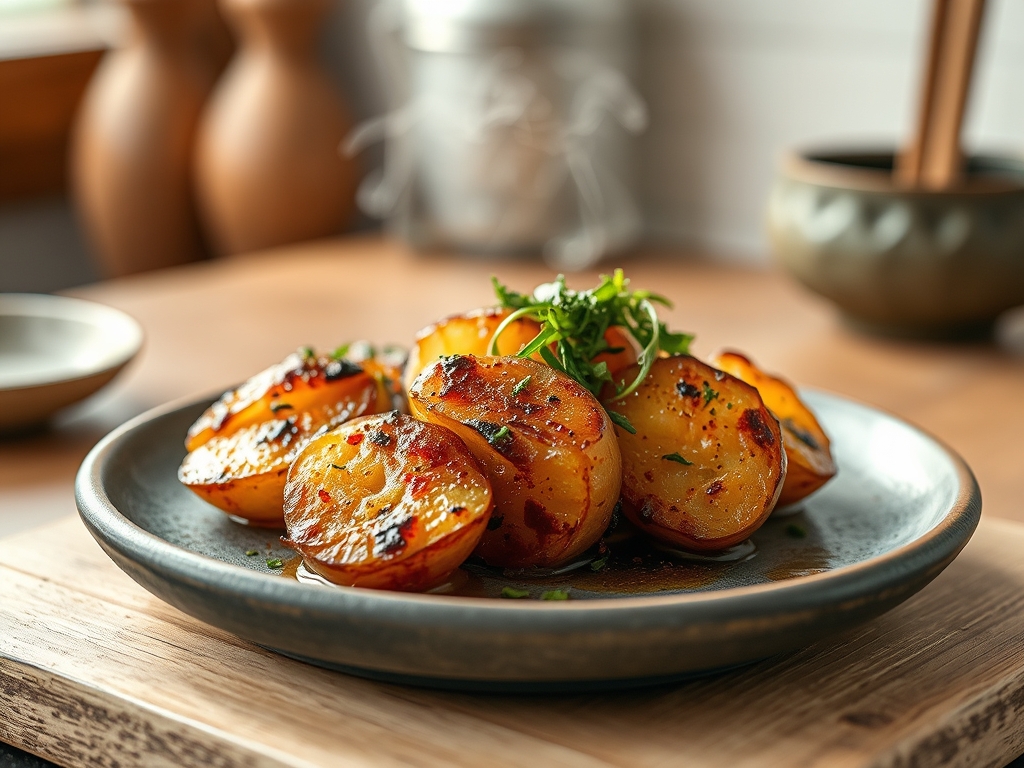
Picture a bustling izakaya in the heart of Shinjuku where the air is thick with the scent of toasted sesame oil and the sharp hiss of a searing griddle. While many associate Japanese cuisine solely with rice, the humble tuber is the secret architect of comfort in the Japanese kitchen. Mastering these six japanese potato recipes requires more than just a peeler; it demands an understanding of starch structures and the delicate balance of umami. From the creamy, almost custard-like interior of a classic Korokke to the glossy, soy-glazed perfection of Nikujaga, we are about to transform the pantry staple into a culinary masterpiece. Grab your favorite heavy-bottomed skillet and let us dive into the chemistry of the perfect Japanese potato.
The Gathers:
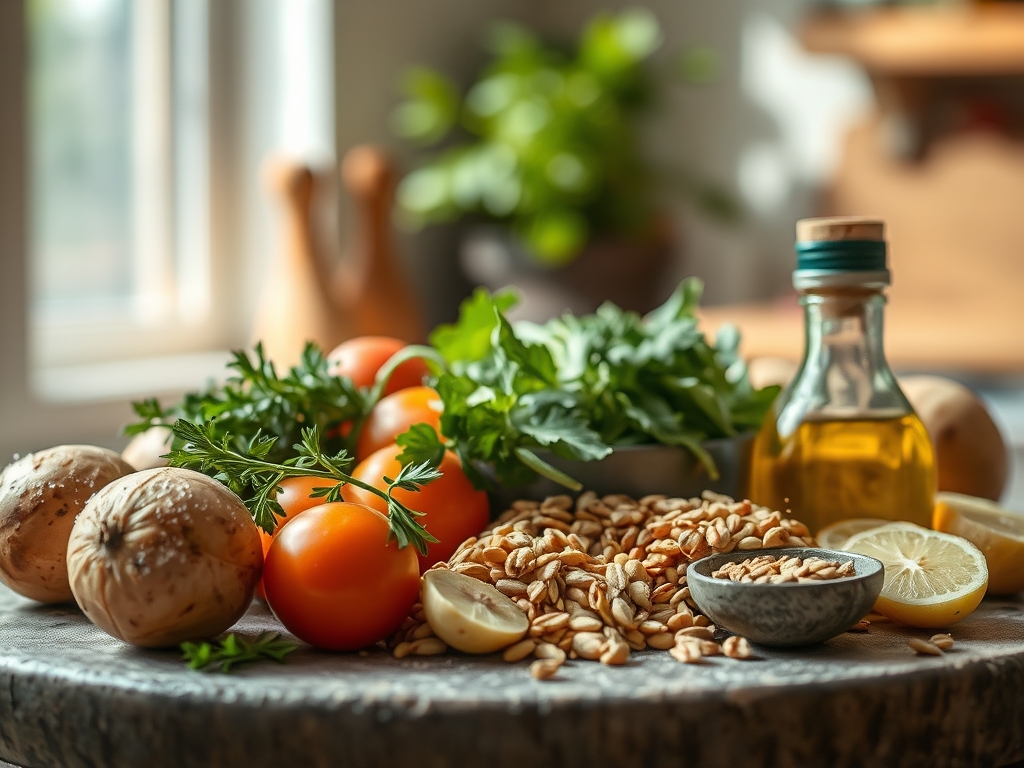
To achieve authentic results, we must curate our mise-en-place with precision. You will need starchy Russets for fluffiness and waxy Yukon Golds for dishes requiring structural integrity. Our flavor profile relies on the holy trinity of Japanese seasoning: Shoyu (soy sauce), Mirin (rice wine for luster), and Dashi (the smoky, savory backbone).
For the textures, ensure you have panko breadcrumbs. Unlike standard crumbs, panko is made from crustless bread that is electro-baked to create airy, jagged shards that resist oil absorption. You will also need Kewpie mayonnaise; this is non-negotiable because it uses only egg yolks and apple cider vinegar, creating a viscous, rich mouthfeel that American mayo cannot replicate.
Smart Substitutions: If you cannot find Dashi, a high-quality chicken bone broth infused with a sheet of Kombu (dried kelp) works in a pinch. If you are avoiding gluten, swap the Shoyu for Tamari and use crushed rice crackers instead of panko to maintain that signature crunch.
The Clock
Efficiency in the kitchen is about managing "The Flow." For these six recipes, expect a total preparation time of 40 minutes and a combined active cooking time of approximately 60 minutes.
The Chef's Flow dictates that you begin by soaking sliced potatoes in cold water for 15 minutes. This step removes excess surface starch, preventing the potatoes from becoming gummy during the Maillard reaction. While they soak, utilize your microplane to grate fresh ginger and garlic, and use a sharp mandoline to prep your garnishes. By the time your mise-en-place is organized, your water will be at a rolling boil, allowing for a seamless transition from prep to plate.
The Masterclass
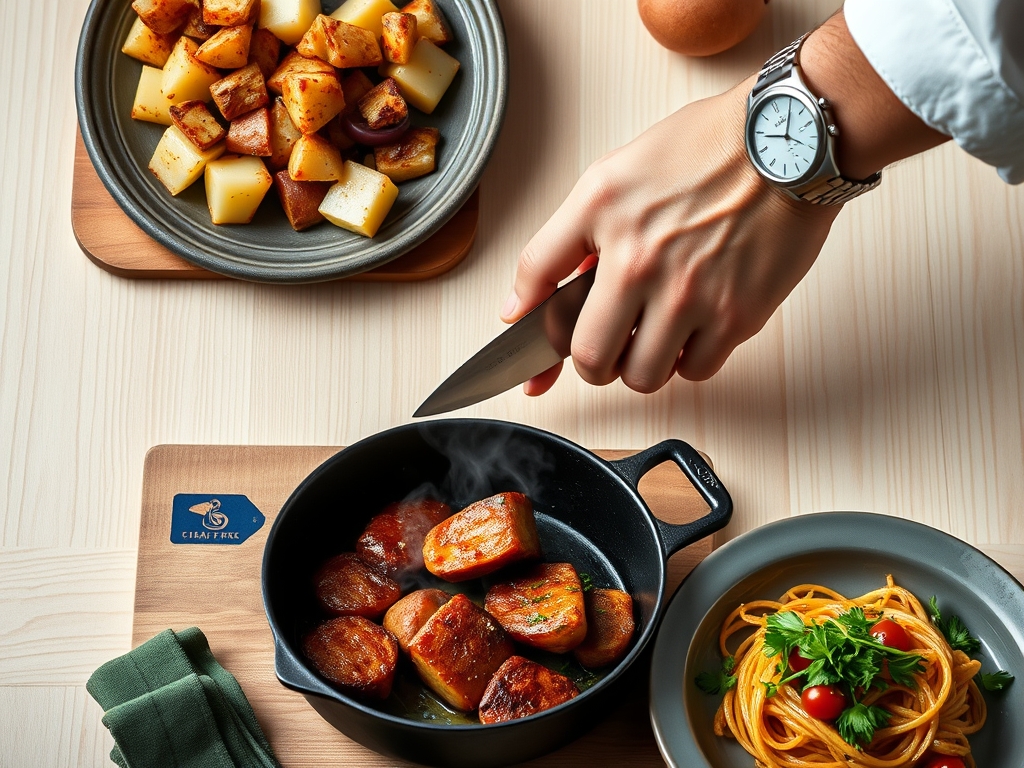
1. The Classic Potato Salad (Potesala)
Mash your boiled potatoes while they are still steaming, then fold in sliced cucumbers, carrots, and plenty of Kewpie mayo. The heat allows the potatoes to absorb the vinegar from the mayo more effectively.
Pro Tip: This relies on retrogradation. By chilling the salad for at least two hours, the starch molecules crystallize, creating a firmer, more satisfying bite and a lower glycemic index.
2. Nikujaga (Meat and Potato Stew)
Sauté thinly sliced beef in a saucier before adding potatoes and onions. Simmer in a bath of dashi, soy sauce, and sugar until the liquid reduces into a glossy glaze.
Pro Tip: Use the drop-lid (Otoshibuta) technique. Placing a lid directly on the surface of the food ensures even heat distribution and prevents the potatoes from breaking apart during a vigorous boil.
3. Crispy Korokke (Croquettes)
Shape a mixture of mashed potato and sautéed ground meat into ovals. Dredge in flour, egg wash, and panko before deep-frying until golden brown.
Pro Tip: Watch for thermal carryover. Remove the croquettes from the oil when they are a shade lighter than your desired color; the internal heat will continue to cook the crust for 60 seconds after they are plated.
4. Miso Butter Roasted Potatoes
Toss cubed potatoes in a mixture of melted unsalted butter and white miso paste. Roast at high heat until the edges are carbonized and crispy.
Pro Tip: This is the Maillard reaction in overdrive. The sugars in the miso caramelize rapidly, creating a complex, savory crust that a simple salt seasoning cannot achieve.
5. Ganmo-style Potato Patties
Grate potatoes and mix them with silken tofu and scallions. Pan-fry in a heavy-bottomed skillet until the exterior is piquant and the interior is soft.
Pro Tip: To prevent enzymatic browning, work quickly once the potatoes are grated. The oxygen exposure turns the starch gray; adding a splash of lemon juice or rice vinegar can inhibit this oxidation.
6. Sweet Soy Glazed Fries (Daigaku Imo Style)
Deep-fry thick potato wedges and immediately toss them in a thickened syrup of sugar, soy sauce, and black sesame seeds.
Pro Tip: This involves sucrose caramelization. The syrup must reach the "soft ball" stage (about 235 degrees Fahrenheit) to ensure it clings to the potato without making the crust soggy.
The Deep Dive
From a nutritional standpoint, these japanese potato recipes provide a robust source of potassium and complex carbohydrates. A standard serving of Nikujaga contains approximately 350 calories, with a balanced profile of protein from the beef and fiber from the skins.
Dietary Swaps: For a Vegan version of the potato salad, use a silken tofu and lemon juice emulsion instead of mayo. For a Keto-friendly alternative, substitute the potatoes with daikon radish; it mimics the texture of a boiled potato when simmered in dashi.
The Fix-It:
- Gummy Texture: This happens when potatoes are over-worked. Use a potato ricer instead of a blender to keep starch granules intact.
- Soggy Panko: Your oil temperature dropped. Use a digital thermometer to maintain a steady 350 degrees Fahrenheit.
- Bland Interior: You forgot to salt the boiling water. Potatoes need to be seasoned from the inside out during the hydration phase.
Meal Prep: To reheat, avoid the microwave as it turns starch rubbery. Instead, use an air fryer or a dry skillet to reactivate the fats and restore the crispness of the exterior.
The Wrap-Up
Mastering these japanese potato recipes is a journey through texture and temperature. Whether you are folding creamy mayo into a chilled salad or listening to the crunch of a perfectly fried Korokke, you are participating in a culinary tradition that prizes balance above all else. These dishes prove that with a little scientific know-how and the right tools, the potato is the most versatile canvas in your kitchen. Now, go forth and turn that bag of russets into a Tokyo-inspired feast!
The Kitchen Table
Which potato is best for Japanese cooking?
Yukon Gold is the most versatile choice. It possesses a medium starch content that holds its shape in stews like Nikujaga while remaining creamy enough for a luxurious potato salad or croquette filling.
How do I keep my potato salad from being watery?
After boiling, return the drained potatoes to the hot pot for 30 seconds to evaporate excess moisture. Also, salt your cucumbers and squeeze out their liquid before adding them to the mix.
Can I make these recipes ahead of time?
Yes, Nikujaga actually tastes better the next day as the flavors infuse deeper into the tubers. However, fried items like Korokke should be fried fresh to maintain the structural integrity of the panko.
Why use Kewpie mayonnaise specifically?
Kewpie uses egg yolks rather than whole eggs and lacks the added water found in many Western brands. This creates a higher fat content and a more viscous texture that coats potatoes beautifully.