
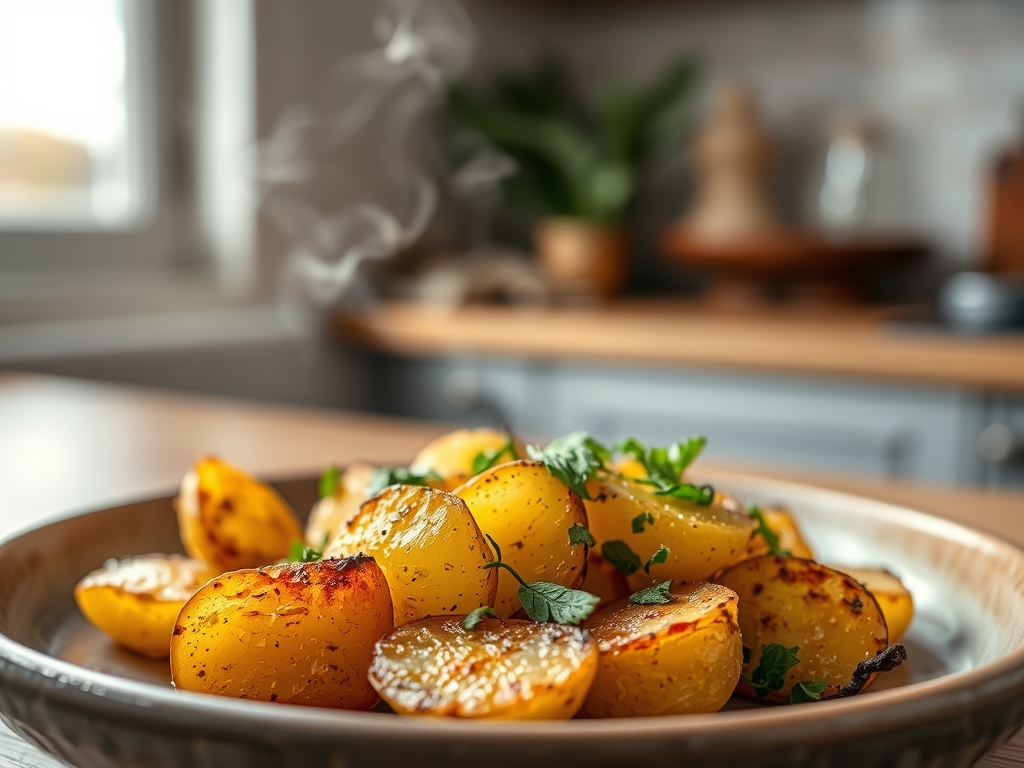
Close your eyes and listen to that specific, high-frequency shatter. It is the sound of a perfectly dehydrated starch cell meeting high-velocity convection. If you have been searching for the ultimate potato recipes air fryer collection, you have likely realized that most results yield soggy, limp disappointments rather than the glass-like crunch of a professional kitchen. We are moving beyond basic frozen spuds. We are diving into the molecular mechanics of the Maillard reaction to transform the humble tuber into a gold-standard side dish. By manipulating surface moisture and starch gelatinization, we can achieve a texture that rivals deep-frying without the heavy oil saturation. This is not just cooking; it is edible engineering designed for your weeknight rotation.
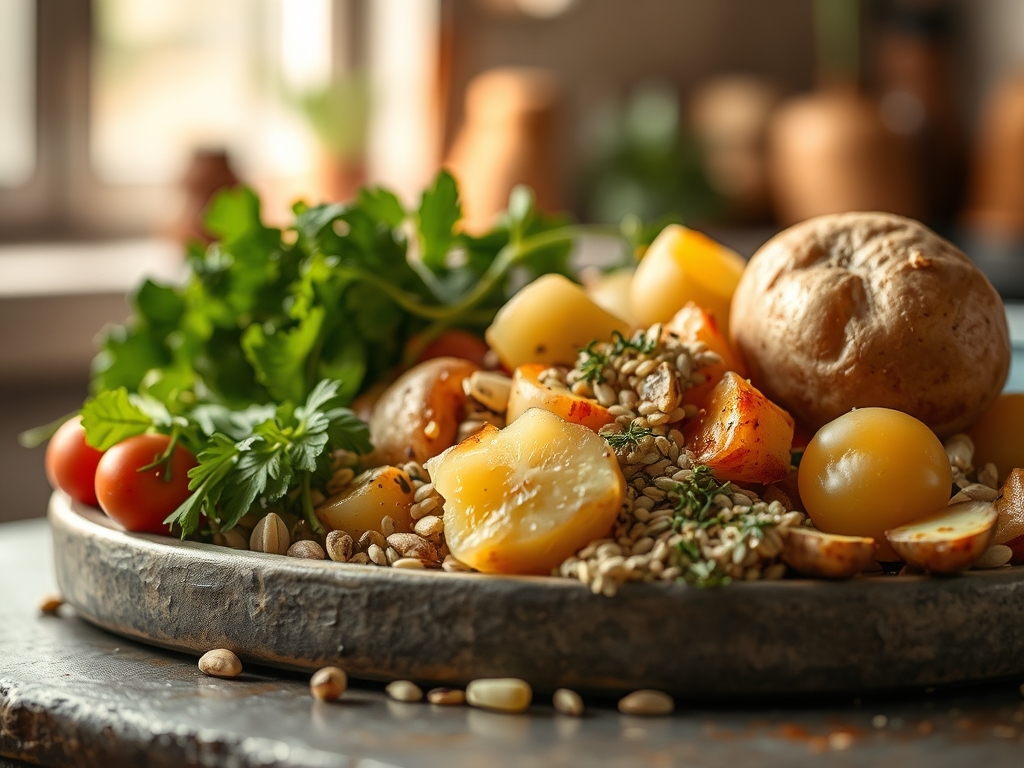
The Gathers:
To achieve elite results, your mise-en-place must be precise. Start with high-starch Russets or waxy Yukon Golds; the former offers a fluffy interior due to high amylose content, while the latter provides a buttery, viscous mouthfeel. You will need a digital scale to ensure uniform sizing, which is the secret to even heat distribution. Grab a high-smoke-point fat like avocado oil or rendered duck fat to facilitate heat transfer without acrid scorching.
For seasonings, gather kosher salt, smoked paprika, and garlic powder. If you want to elevate the profile, use a microplane to zest fresh lemon or grate aged parmesan over the finished product. Smart Substitutions: If you are avoiding nightshades, Japanese sweet potatoes offer a dense, creamy alternative that undergoes beautiful caramelization. For a lower-glycemic option, parboiled rutabaga can mimic the potato profile when tossed in a light coating of cornstarch to aerate the exterior.
The Clock:
The "Chef's Flow" is all about overlapping tasks to maximize efficiency. Total active prep time is approximately 15 minutes, while the air fryer does the heavy lifting for 20 to 30 minutes depending on the cut.
0-10 Minutes: Scrub, peel, and fabricate your shapes. Use a bench scraper to clear your station quickly.
10-15 Minutes: The "Par-Prep." This involves a quick soak or a microwave steam to gelatinize the internal starches.
15-40 Minutes: The Convection Phase. This is where the thermal carryover begins. You are not just cooking; you are dehydrating the surface to create a crystalline crust. Always allow for a 3-minute rest post-fry; this allows the internal steam to stabilize so the crust does not soften immediately upon plating.
The Masterclass:
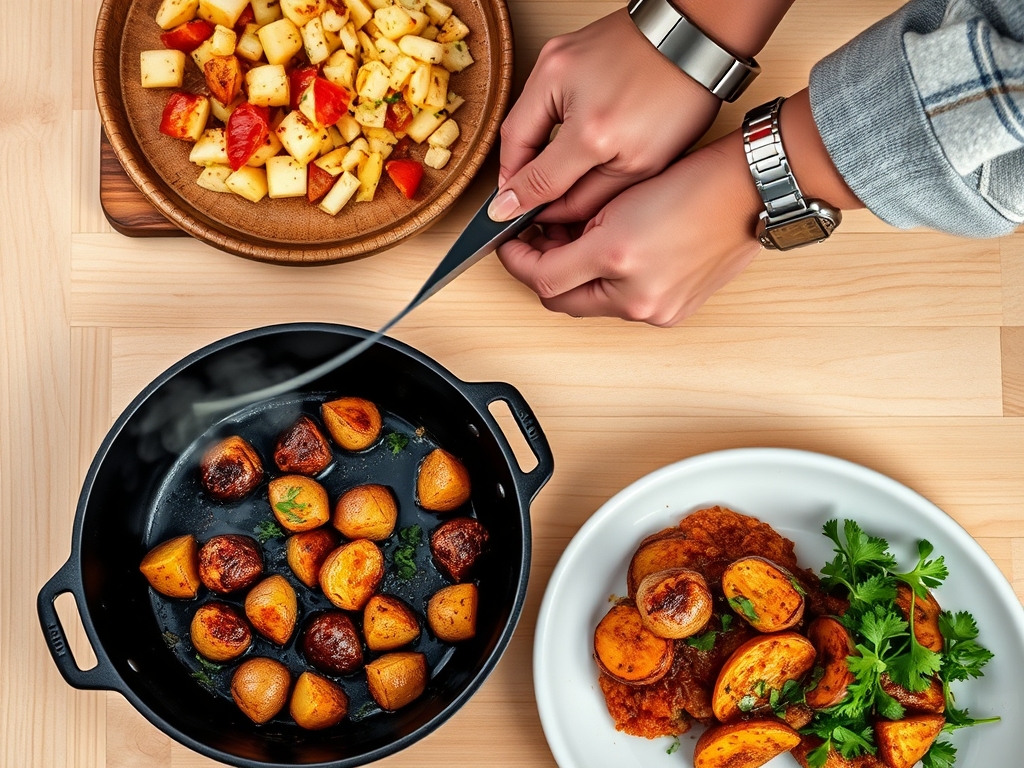
1. The Precision Cut
Uniformity is your best friend. Use a sharp chef knife or a mandoline to ensure every piece is identical. This prevents smaller bits from carbonizing while larger chunks remain raw.
Pro Tip: Cutting the potato increases surface area, which accelerates enzymatic browning. To prevent premature oxidation, drop your cuts into cold, acidified water immediately.
2. The Starch Strip
Soak your cut potatoes in cold water for at least 10 minutes. You will see the water turn cloudy; that is excess surface starch that would otherwise cause the potatoes to stick together and become gummy.
Pro Tip: Removing surface amylopectin allows the hot air to hit the cell walls directly, creating a crisper, more defined "shatter" when you bite in.
3. The Alkaline Parboil
Simmer your potatoes in water with a pinch of baking soda for 5 minutes. This breaks down the pectin on the exterior, creating a fuzzy, starchy slurry on the surface.
Pro Tip: This "fuzz" increases the surface area exponentially. When air-fried, these tiny ridges become the source of that ultra-crunchy texture known as the glass-shatter effect.
4. The Thorough Dehydration
After boiling, drain the potatoes and let them steam-dry in a heavy-bottomed skillet or on a wire rack. Any residual surface moisture will turn to steam in the air fryer, preventing the Maillard reaction.
Pro Tip: Evaporative cooling can stall the browning process. Ensuring the spuds are bone-dry before adding oil is the difference between "roasted" and "fried" textures.
5. The Lipid Coating
Toss the dried potatoes in a bowl with your chosen fat and seasonings. Use tongs to ensure every crevice is coated. The oil acts as a heat conductor, bridging the gap between the hot air and the potato skin.
Pro Tip: Using a fat with a high smoke point prevents the formation of free radicals and ensures a clean, piquant flavor profile without the bitterness of burnt oil.
6. The Convection Blast
Arrange the potatoes in a single layer in the air fryer basket. Do not overcrowd. The air needs to circulate 360 degrees around each piece to infuse the heat evenly.
Pro Tip: Shaking the basket halfway through redistributes the fat and ensures that "cold spots" in the airflow do not leave any side soggy.
7. The Final Infusion
Once the timer dings, toss the hot potatoes with fresh herbs or a splash of vinegar. The heat will deglaze the surface slightly, allowing the flavors to penetrate the crust.
Pro Tip: This is the window for thermal carryover. The internal temperature will continue to rise by a few degrees, finishing the softening of the interior while the exterior sets.
The Deep Dive:
From a macro perspective, a medium potato provides roughly 150 calories, 3 grams of protein, and a significant dose of potassium. By using an air fryer, you reduce the fat content by up to 80 percent compared to traditional deep-frying. For dietary swaps, vegans can use nutritional yeast for a "cheesy" hit; keto followers should pivot to radishes or cauliflower which respond similarly to the alkaline boil method.
The Fix-It: If your potatoes are burning before they soften, your temperature is too high; drop it by 25 degrees and increase the time. If they are soggy, you likely overcrowded the basket or skipped the drying phase. If they taste "flat," you need more acid; a squeeze of lemon or a dash of malt vinegar will brighten the earthy starch. For meal prep, never reheat in the microwave. Use the air fryer at 375F for 4 minutes to re-dehydrate the crust and achieve "day-one" quality.
The Wrap-Up:
Mastering potato recipes air fryer style is a legitimate culinary superpower. Once you understand the relationship between surface moisture, alkaline environments, and high-velocity airflow, you can turn a basic root vegetable into a gourmet experience. Whether you are prepping for a solo dinner or hosting a massive brunch, these seven hacks ensure your spuds are the star of the show. Grab your saucier for a side of garlic aioli and get frying; your kitchen is now a high-tech crisping lab.
The Kitchen Table:
Why are my air fryer potatoes not crispy?
Crispiness fails when surface moisture remains. Ensure you pat the potatoes completely dry after soaking or parboiling. Additionally, do not overcrowd the basket; restricted airflow creates steam, which leads to a soggy texture rather than a crisp Maillard crust.
Do I really need to soak the potatoes?
Yes. Soaking removes excess surface starch that causes sticking and gumminess. For the best results, soak in cold water for 30 minutes. This process ensures the exterior fries to a crisp finish while the interior remains light and fluffy.
Can I use olive oil in the air fryer?
You can use extra virgin olive oil for lower temperatures, but for maximum crispiness at 400F, use avocado oil or light olive oil. These have higher smoke points, preventing acrid flavors and ensuring a clean, golden-brown finish on your spuds.
How do I reheat leftover potatoes?
Avoid the microwave at all costs. To restore the original crunch, place leftovers back in the air fryer at 375F for 3 to 5 minutes. This removes any absorbed moisture and reactivates the fats for a perfect texture.