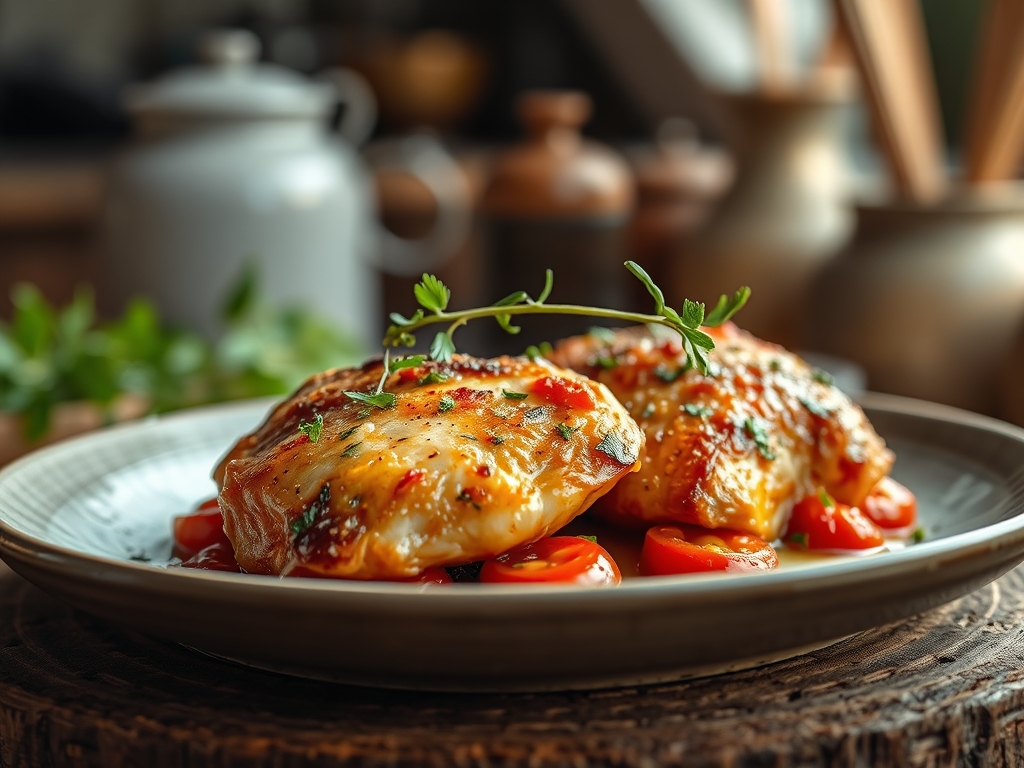
Picture the scent of garlic hitting shimmering olive oil in a heavy bottomed skillet; it is the universal signal that something incredible is about to happen. When you combine the lean, savory profile of poultry with the acidic brightness of fruit, you unlock a flavor profile that is both timeless and scientifically balanced. These nine chicken recipes with tomatoes are designed to elevate your weeknight rotation from mundane to Michelin level.
We are diving deep into the chemistry of the kitchen today. We are talking about the way lycopene intensifies under heat and how chicken skin undergoes the Maillard reaction to create that golden, umami rich crust we all crave. Whether you are craving a silky Roman chicken or a piquant balsamic glaze, the secret lies in the marriage of these two ingredients. Grab your favorite apron and a glass of wine; we are about to turn your kitchen into a laboratory of deliciousness.
The Gathers:
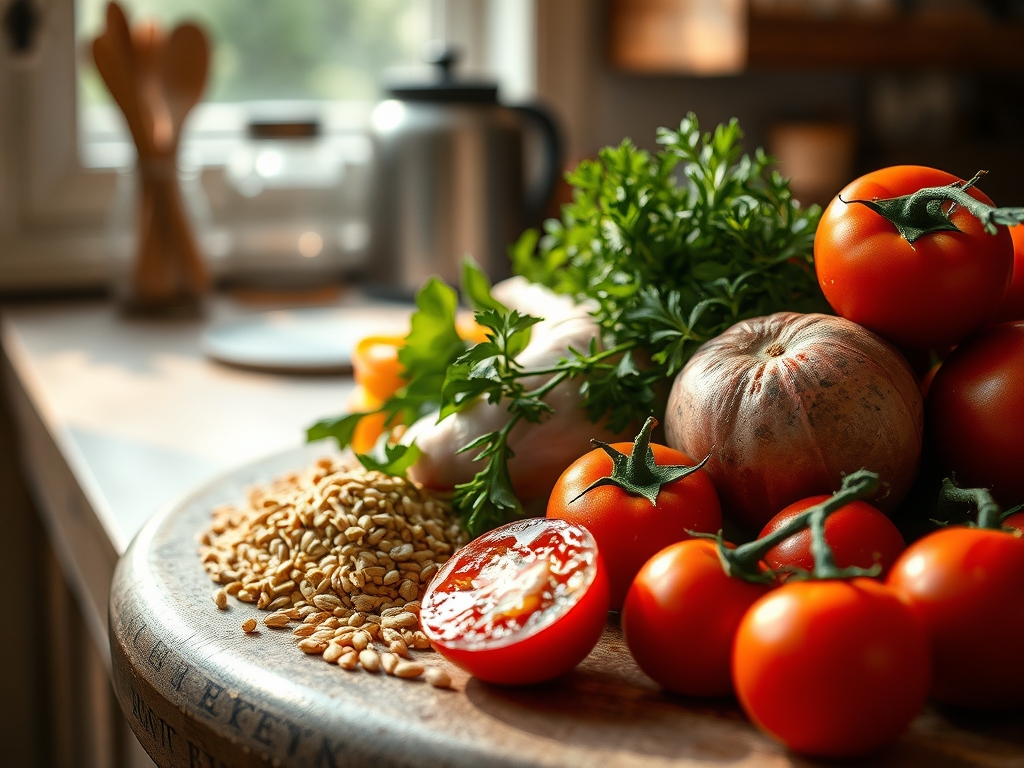
Before we ignite the burners, we must respect the mise en place. Your workspace should be a curated collection of textures and colors. For these chicken recipes with tomatoes, you will need high quality bird cuts; preferably organic thighs for their higher fat content and resistance to drying out. On the produce side, look for vine ripened Roma tomatoes for their low water content and dense flesh, or San Marzano varieties if you are aiming for a viscous, velvet sauce.
Professional tools make the difference here. You will need a sharp chef knife for precision dicing, a microplane for aerating your garlic into a fine paste, and a digital scale to ensure your ratios are exact. Essential aromatics include shallots, fresh basil, and sprigs of thyme. For the pantry staples, keep a bottle of dry white wine for deglazing and a high smoke point oil like avocado or grapeseed for that initial sear.
Smart Substitutions:
If you cannot find fresh heirloom tomatoes, do not settle for mealy supermarket versions. Use high quality canned whole peeled tomatoes and crush them by hand to maintain texture. If you are avoiding nightshades, a combination of roasted red peppers and a splash of pomegranate molasses can mimic the acidity and sweetness of tomatoes. For a dairy free cream sauce, reach for full fat coconut milk or a cashew cream to maintain that luxurious mouthfeel without the lactose.
The Clock: Master of the Chef's Flow
Efficiency in the kitchen is about the "Chef's Flow," which is the art of overlapping tasks to minimize downtime. For most of these chicken recipes with tomatoes, you are looking at a 15 minute prep window followed by a 25 to 35 minute cook time. While the chicken renders its fat in the skillet, you should be dicing your aromatics. While the sauce simmers and reduces, that is your window to clean your station with a bench scraper.
The total active time is usually under 20 minutes. The rest is thermal magic. By the time you have set the table and poured the drinks, the chicken will have reached its safe internal temperature and the tomato sugars will have caramelized. Remember, patience is a culinary tool; allowing the sauce to reduce properly is what separates a watery dish from a professional glaze.
The Masterclass:
1. The Sear and Render
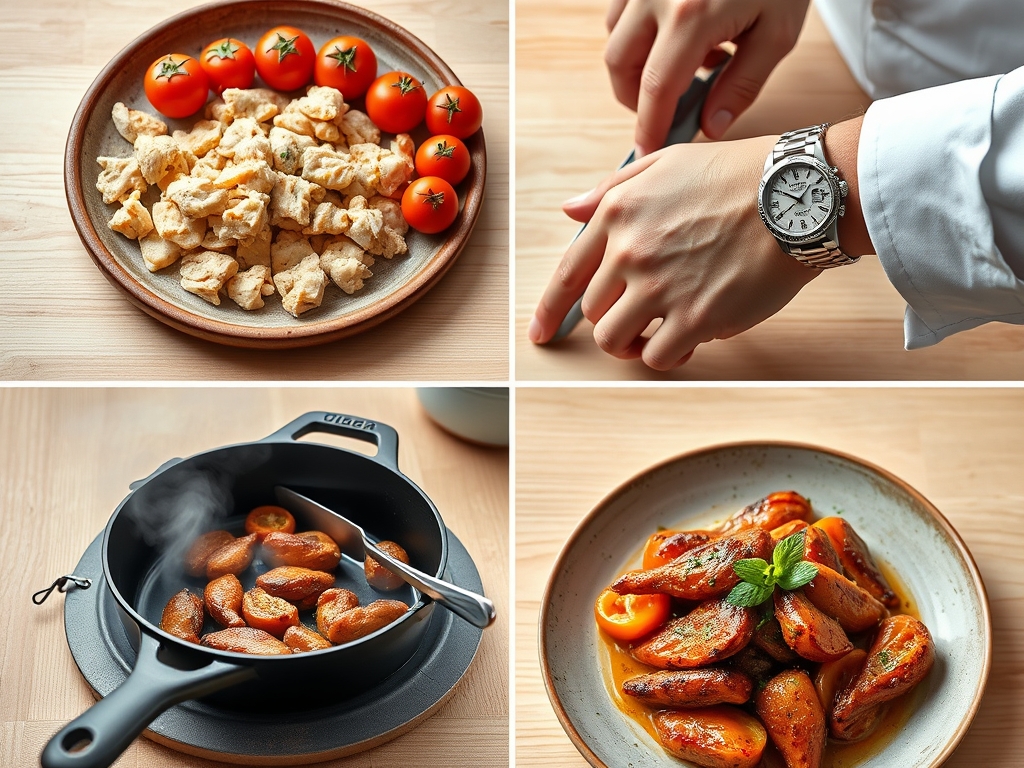
Pat your chicken dry with paper towels to remove surface moisture. Season aggressively with kosher salt. Place the chicken skin side down in a cold heavy bottomed skillet and turn the heat to medium high.
Pro Tip: This is called "cold pan rendering." Starting with a cold pan allows the subcutaneous fat to melt slowly before the skin burns, resulting in a glass like crispness through even heat distribution.
2. Deglazing the Fond
Once the chicken is browned and removed, you will see brown bits stuck to the pan. This is "fond." Pour in your white wine or chicken stock and use a wooden spoon to scrape these bits into the liquid.
Pro Tip: Deglazing is a chemical process where the alcohol or acid dissolves the caramelized proteins. This captures the concentrated umami flavor that would otherwise be lost.
3. The Tomato Reduction
Add your diced tomatoes and aromatics to the pan. Lower the heat and let the mixture simmer until the liquid has reduced by half and the tomatoes have broken down into a thick consistency.
Pro Tip: Simmering causes evaporation, which concentrates the natural sugars and acids. This increases the viscosity of your sauce without needing to add flour or cornstarch.
4. The Emulsification
Whisk in a knob of cold butter or a splash of heavy cream right at the end of the cooking process. Stir vigorously until the fat is fully incorporated into the tomato base.
Pro Tip: This creates a stable emulsion. The fats bind with the water based tomato juice, creating a silky texture that coats the back of a spoon perfectly.
5. The Final Rest
Return the chicken to the pan for two minutes to warm through, then remove from heat. Let the dish sit for five minutes before serving.
Pro Tip: Resting allows for "thermal carryover." The internal temperature will continue to rise by about five degrees, and the muscle fibers will relax, allowing the juices to redistribute so they do not spill out when you cut into it.
The Deep Dive:
When we look at the macro nutrition of chicken recipes with tomatoes, we see a powerhouse of lean protein and antioxidants. A standard serving provides roughly 35 grams of protein and a significant dose of Vitamin C and Lycopene. To keep it Keto, simply omit any added sugars and serve over zoodles. For a Vegan twist, swap the chicken for thick slices of roasted cauliflower or firm tofu, using a splash of balsamic to mimic the savory depth.
The Fix-It:
If your sauce is too acidic, do not reach for sugar first; add a pinch of baking soda to neutralize the pH levels. If the chicken is tough, you likely skipped the resting phase or overcooked it; next time, use a digital thermometer to pull the bird at 160 degrees Fahrenheit. If the sauce is too thin, continue to simmer without a lid to encourage evaporation, or whisk in a teaspoon of tomato paste.
For meal prep, the science of reheating is key. To maintain "day one" quality, reheat your chicken and tomato dishes in a covered dish in the oven at 300 degrees. This prevents the proteins from tightening up and becoming rubbery, which often happens in the microwave.
The Wrap-Up:
Mastering chicken recipes with tomatoes is like learning the secret language of comfort food. It is about balancing the bright, the bold, and the savory using simple techniques that yield complex results. From the initial sear to the final emulsified sauce, every step is an opportunity to practice your culinary craft. Now that you have the science and the steps, go forth and create something spectacular. Your kitchen is ready for its masterpiece!
The Kitchen Table:
How do I prevent my tomato sauce from being too watery?
Always sauté your aromatics first and allow the tomatoes to simmer uncovered. This encourages evaporation, which thickens the sauce naturally. If using canned tomatoes, drain the excess juice before adding the solids to the skillet for a thicker consistency.
Can I use chicken breasts instead of thighs?
Yes, but be careful with timing. Chicken breasts are leaner and prone to drying out. Sear them quickly and finish cooking them in the tomato sauce to keep them moist. Pull them from the heat once they reach 165 degrees.
What is the best way to peel fresh tomatoes?
Score an "X" on the bottom of each tomato and blanch them in boiling water for 30 seconds. Immediately move them to an ice bath. The skin will slip right off, leaving you with smooth flesh perfect for high end sauces.
Why does my chicken skin get soggy in the sauce?
To keep the skin crisp, do not submerge the chicken entirely in the sauce. Place the seared chicken on top of the tomato mixture, skin side up, and finish the dish in the oven or on a low simmer.