
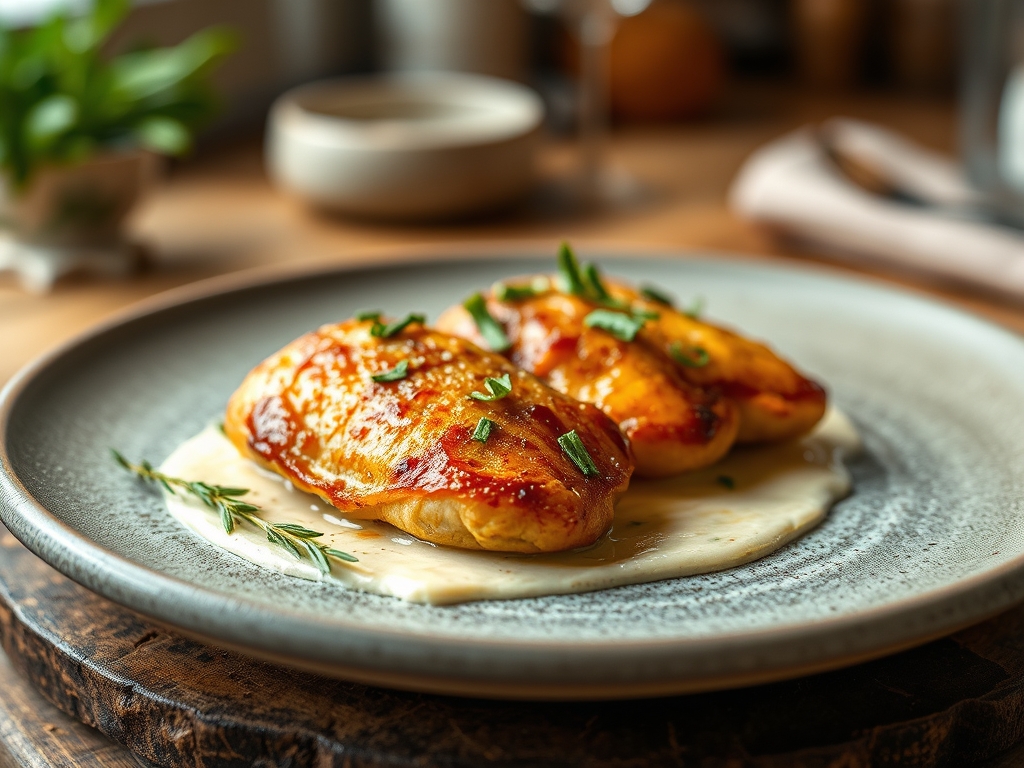
Picture a kitchen filled with the scent of roasted garlic and searing poultry. The magic happens when cold, herb-flecked cheese meets a hot skillet. Mastering boursin and chicken recipes transforms a standard weeknight dinner into a high-end bistro experience. It is the ultimate culinary shortcut; a pre-emulsified flavor bomb that creates a glossy, restaurant-quality sauce in seconds.
The secret lies in the moisture content of the cheese. Unlike hard aged cheeses that can become oily when heated, this Gournay-style spread is designed to melt into a velvet consistency. When you pair the piquant notes of chive and shallot with the savory depth of pan-seared chicken, you are engaging in a classic flavor pairing. The fats in the cheese carry the aromatic compounds of the herbs directly to your palate. We are not just cooking; we are engineering a sensory experience that balances salt, fat, and acid with surgical precision.
The Gathers:
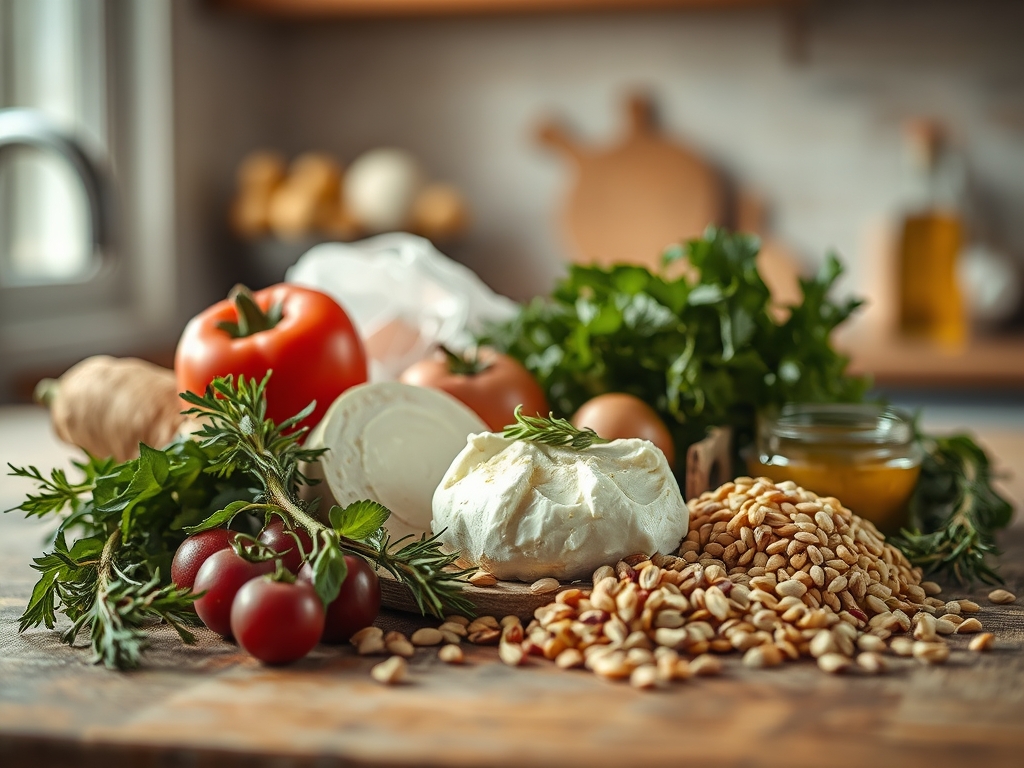
To execute these boursin and chicken recipes with finesse, your mise-en-place must be impeccable. Start with high-quality poultry. Look for air-dried chicken breasts or thighs; these have less water retention, which ensures a superior Maillard reaction during the searing phase. You will need your signature puck of Boursin cheese. Its texture is crumbly yet creamy, a result of specific lactic fermentation that provides that signature tang.
Your supporting cast includes fresh aromatics like shallots and garlic to deepen the flavor profile. Use a microplane to zest a lemon; the citrus oils cut through the heavy lipids of the cheese. Keep a bottle of dry white wine, like a Sauvignon Blanc, nearby for deglazing. The acidity is vital for balancing the richness. For tools, reach for a heavy-bottomed skillet (cast iron or stainless steel) to ensure even heat distribution and a digital scale for precise portioning.
Smart Substitutions:
If you cannot find the classic Garlic & Fine Herbs variety, use the Caramelized Onion & Herbs version for a sweeter, deeper profile. For a lighter touch, you can substitute half the cheese with Greek yogurt, though you must whisk it in at the very end to prevent curdling. If you are avoiding dairy, several nut-based "herbed spreads" mimic the texture, though they lack the same melting point.
The Clock
Efficiency in the kitchen is about "Chef's Flow." This is the art of overlapping tasks so no heat is wasted. For most boursin and chicken recipes, you are looking at a 15-minute prep window and a 20-minute cook time. Total investment: 35 minutes.
The flow begins with tempering your meat. Take the chicken out of the fridge 20 minutes before cooking to ensure the proteins don't "shock" when they hit the pan. While the meat tempers, use a bench scraper to organize your chopped aromatics. The cooking phase is a linear progression: sear, deglaze, simmer, and rest. Never skip the resting phase; it allows the muscle fibers to reabsorb juices, ensuring every bite is succulent rather than dry.
The Masterclass
1. The Perfect Sear
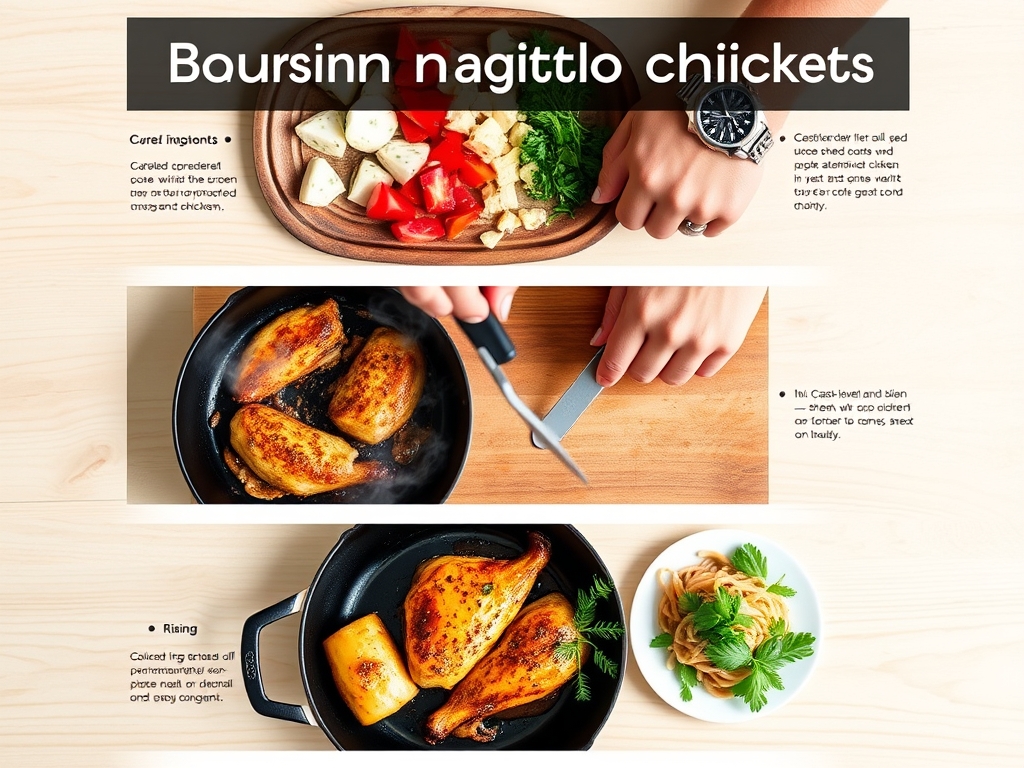
Pat the chicken bone-dry with paper towels. Season aggressively with kosher salt. Heat your skillet until the oil shimmers but does not smoke. Place the chicken skin-side down and do not move it for at least five minutes.
Pro Tip: This patience facilitates enzymatic browning. Moving the meat too early tears the delicate proteins before they have stabilized into a crust. Use tongs to check for a golden-brown hue before flipping.
2. Deglazing the Fond
Once the chicken is cooked through, remove it to a warm plate. You will see brown bits stuck to the bottom of the pan; this is "fond." Pour in your white wine or chicken stock and use a wooden spoon to scrape those bits up.
Pro Tip: This process is called deglazing. The liquid dissolves the caramelized sugars and proteins, incorporating them into what will become a highly concentrated, savory sauce base.
3. Emulsifying the Sauce
Reduce the heat to medium-low. This is crucial. Add the Boursin cheese in small chunks. Use a saucier or a whisk to incorporate the cheese into the liquid.
Pro Tip: Maintaining a lower temperature prevents the fats in the cheese from separating. You are creating a stable emulsion where the water-based stock and the fat-based cheese become one cohesive, viscous liquid.
4. Infusing Aromatics
Stir in your fresh herbs and lemon zest at the very end. This preserves the volatile oils that give herbs their bright, fresh scent.
Pro Tip: Heat destroys the delicate molecular structure of fresh herbs like parsley or chives. Adding them "off-heat" ensures the flavor remains vibrant rather than "cooked" or muted.
5. The Rest and Return
Place the chicken back into the sauce for just sixty seconds to coat. Then, let the entire dish sit for three minutes before serving.
Pro Tip: This accounts for thermal carryover. Even after removing the pan from the heat, the internal temperature of the chicken will rise by about five degrees. Resting prevents the juices from rushing out when you first slice in.
6. Plating for Impact
Slice the chicken on a bias to show off the juicy interior. Spoon the sauce generously over the top and finish with a crack of fresh black pepper.
Pro Tip: Visual appeal is rooted in contrast. The matte finish of the chicken crust against the glossy, reflective surface of the Boursin sauce signals a multi-textured mouthfeel to the brain before the first bite.
The Deep Dive
When we look at the macro nutrition of boursin and chicken recipes, we see a high-protein, moderate-fat profile. A standard serving contains roughly 35g of protein and 18g of fat. It is an excellent choice for those following a Keto lifestyle due to the high healthy fat content and low carbohydrates. To make this Gluten-Free, simply ensure your chicken stock is certified. For a Vegan twist, use a cashew-based herb spread and cauliflower "steaks" instead of poultry.
The Fix-It: Common Pitfalls
- The Sauce is Grainy: This happens if the heat was too high. Fix it by adding a splash of heavy cream and whisking vigorously off the heat to re-emulsify.
- The Chicken is Tough: You likely skipped the tempering or the resting phase. Next time, use an instant-read thermometer to pull the chicken at 160 degrees Fahrenheit.
- The Flavor is Flat: It needs acid. Add a teaspoon of Dijon mustard or an extra squeeze of lemon juice to brighten the fats.
Meal Prep & Reheating
To maintain "day-one" quality, store the sauce and chicken separately if possible. When reheating, do not use the microwave; it rubberizes the protein. Instead, place the chicken in a pan with a splash of water, cover with a lid, and steam-heat gently. Whisk the sauce separately with a tablespoon of milk to restore its silkiness.
The Wrap-Up
There is a reason boursin and chicken recipes are a staple in a sophisticated kitchen. They offer the perfect marriage of technical chemistry and comfort food. By mastering the sear and understanding the delicate nature of emulsion, you have elevated a simple bird into a culinary masterpiece. Now, grab your favorite skillet and go create something magnificent. Your kitchen is your laboratory; make it delicious!
The Kitchen Table
Can I use Boursin as a stuffing for chicken?
Yes. Slice a pocket into the breast, insert the cheese, and sear. The cheese acts as an internal basting agent, keeping the meat moist from the inside out while creating a rich, molten center.
How do I prevent the cheese from breaking?
Keep the heat low. High temperatures cause the milk solids to separate from the fats. Always whisk the cheese into a warm liquid rather than boiling it to maintain a smooth, creamy texture.
What are the best sides for Boursin chicken?
Opt for high-fiber or acidic sides to balance the richness. Roasted asparagus, a crisp arugula salad, or garlicky haricots verts work beautifully. For starch, try a light lemon orzo or smashed fingerling potatoes.
Can I freeze Boursin chicken leftovers?
It is not recommended. The high fat content in the Gournay cheese can change texture and become grainy upon thawing. For the best experience, consume within three days of cooking for optimal flavor.