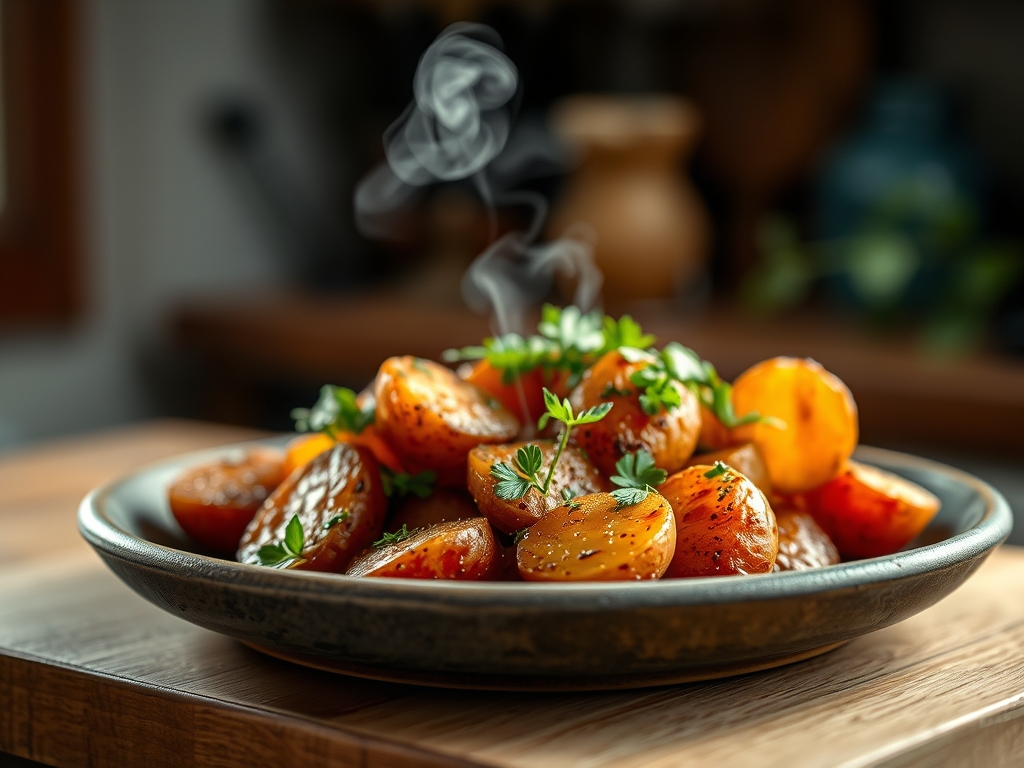
Imagine a kitchen filled with the scent of rosemary infused butter and the rhythmic sound of a chef knife hitting a wooden board. We are chasing that perfect contrast between a shatteringly crisp exterior and a center as soft as a cloud. When you search for the best red potato recipes, you are usually looking for more than just a side dish; you are looking for a structural masterpiece. Red potatoes are the secret weapon of the culinary world because their low starch content and high moisture levels allow them to hold their shape under intense heat. Unlike their floury Russet cousins, these ruby gems stay waxy and elegant. Today, we are going to master the chemistry of the spud. We will transform these humble tubers into gold using thermal shock and surface area maximization. Grab your favorite heavy bottomed skillet and a glass of wine. We are about to elevate your dinner game from basic to breathtaking using the seven most guarded secrets of professional potato styling.
The Gathers:
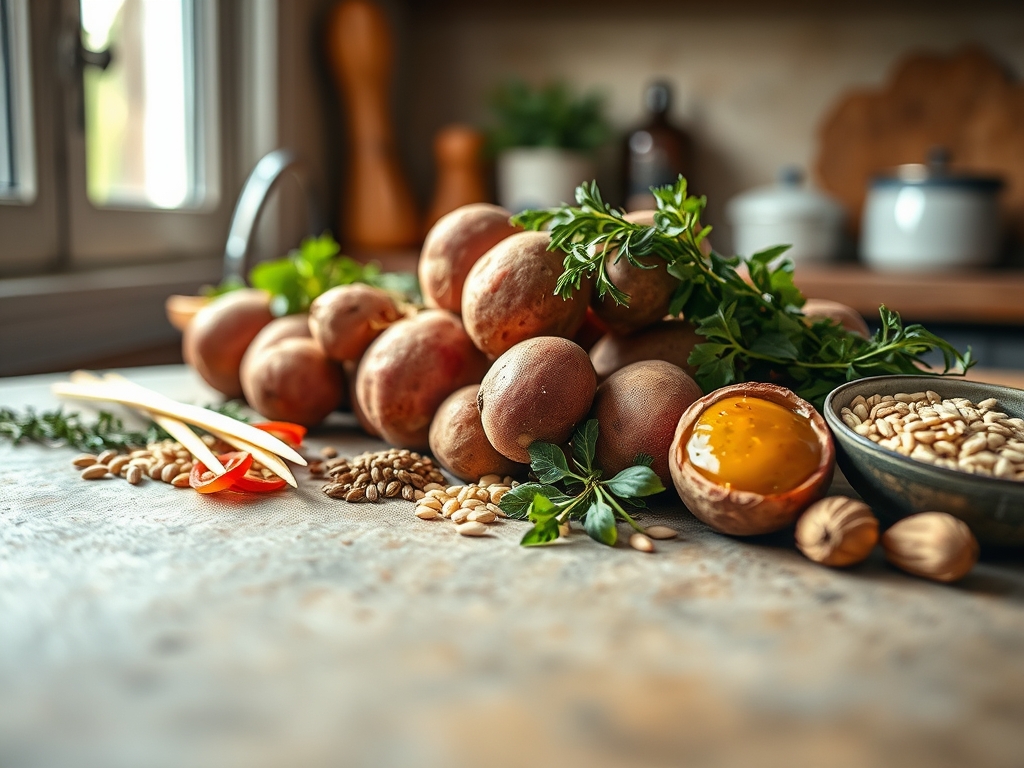
To achieve the results seen in the best red potato recipes, your mise-en-place must be precise. You will need three pounds of small red potatoes, ideally uniform in size to ensure even thermal penetration. For the fat profile, we use a combination of clarified butter and extra virgin olive oil. Clarified butter has a higher smoke point than whole butter, allowing for a deep Maillard reaction without the bitterness of burnt milk solids.
You will also need four cloves of fresh garlic, a sprig of rosemary, and a teaspoon of flaky sea salt. Use a microplane to zest a lemon for a piquant finish that cuts through the lipid density. For smart substitutions, you can swap rosemary for thyme or oregano if you prefer a floral note over a woody one. If you are out of clarified butter, duck fat is a professional alternative that provides an incredible savory depth. Ensure your potatoes are scrubbed but not peeled; that skin is where the structural integrity and earthy flavor reside.
The Clock
Efficiency in the kitchen is about the Chef's Flow, which is the art of overlapping tasks to minimize downtime. Your total preparation time is approximately 15 minutes, while the active cooking and roasting time spans 45 minutes.
Start by preheating your oven and getting your water to a rolling boil immediately. While the water works, you chop. While the potatoes parboil, you prepare your herb infusion. This overlap ensures that by the time the potatoes are ready for the oven, your aromatics are primed. The final 10 minutes of roasting is the "watch phase" where you monitor the golden hue to prevent over-caramelization. Total time from pantry to table is exactly one hour.
The Masterclass
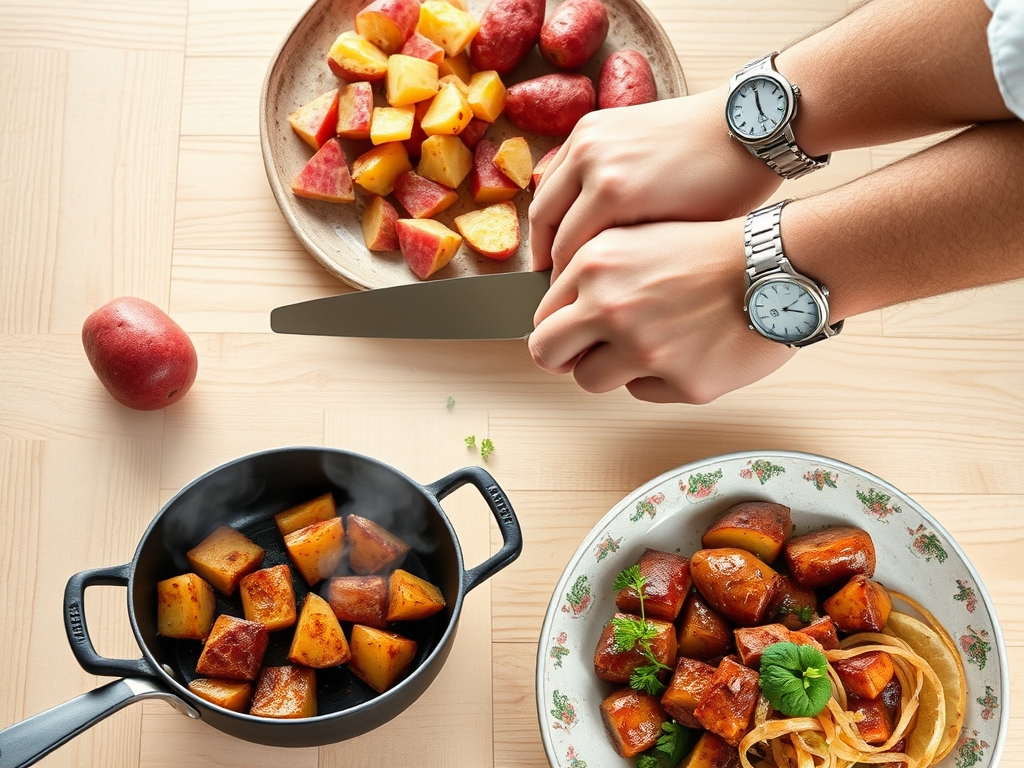
1. The Alkaline Parboil
Place your halved potatoes in cold water heavily seasoned with salt and a half teaspoon of baking soda. Bring this to a boil and simmer for eight minutes.
Pro Tip: The baking soda breaks down the potato's pectin, creating a starchy slurry on the surface. This increased surface area is the secret to a crunch that lasts for hours.
2. The Steam Dry
Drain the potatoes in a colander and let them sit for three minutes. Give them a vigorous shake to roughen up the edges.
Pro Tip: This allows for evaporative cooling. Removing excess surface moisture prevents the potatoes from steaming in the oven, which is the enemy of a crisp crust.
3. The Lipid Infusion
In a small saucier, heat your oil and butter with smashed garlic and rosemary until the fat is fragrant. Strain the solids out before tossing with the potatoes.
Pro Tip: Infusing the oil prevents the garlic from burning in the high heat of the oven. Burnt garlic creates acrid flavors that ruin the delicate sweetness of the potato.
4. The High Heat Roast
Spread the potatoes on a preheated heavy duty baking sheet, ensuring the flat sides are face down. Roast at 425 degrees Fahrenheit for 25 minutes.
Pro Tip: Using a preheated pan initiates an immediate thermal sear. This prevents the potato from sticking and starts the browning process the second they touch the metal.
5. The Flip and Aerate
Use a bench scraper or wide spatula to flip the potatoes. This is the moment to check for even browning and redistribute the fats.
Pro Tip: Aerating the pan by moving the potatoes allows hot air to circulate around the entire circumference of the vegetable, ensuring 360 degree texture.
6. The Herb Finish
Toss the hot potatoes with fresh chopped parsley and the lemon zest you prepared earlier. The heat from the potatoes will wake up the essential oils in the herbs.
Pro Tip: This is called residual heat activation. Adding delicate herbs at the very end preserves their bright green color and volatile aromatic compounds.
7. The Flaky Salt Garnish
Transfer the potatoes to a warm serving bowl and finish with a generous pinch of Maldon sea salt.
Pro Tip: Flaky salt provides a textural contrast and a localized burst of salinity. Unlike table salt, it does not dissolve immediately, maintaining the structural crunch of the skin.
The Deep Dive
From a macro nutrition perspective, red potatoes are a powerhouse of potassium and Vitamin C. They are naturally gluten free and low in fat until we add our delicious infusions. For a Vegan swap, use avocado oil or a high quality plant based butter. For those on a Keto path, potatoes are generally avoided, but you can apply these exact same roasting techniques to cauliflower florets for a similar textural experience.
If you hit a snag, here is the "Fix-It" guide. If your potatoes are sticking, you likely didn't use enough oil or the pan wasn't hot enough; use a thin metal spatula to gently pry them up. If they are soggy, you overcrowded the pan; remember that potatoes need "personal space" to crisp. If they are browning too fast, move the rack to a lower position in the oven to reduce direct radiant heat.
For meal prep, the best way to reheat is not the microwave. Use an air fryer or a toaster oven set to 400 degrees for five minutes. This removes the moisture absorbed during refrigeration and restores the viscous interior and crisp exterior to day-one quality.
The Wrap-Up
Mastering the best red potato recipes is all about respecting the chemistry of the ingredient. By using alkaline water to break down pectin and high heat to trigger the Maillard reaction, you transform a simple root vegetable into a gourmet side dish. Whether you are hosting a formal dinner or a cozy weeknight meal, these seven secrets ensure your potatoes are the star of the show. Go forth and roast with confidence; your kitchen is now a laboratory of flavor.
The Kitchen Table
Why are my roasted red potatoes soft instead of crunchy?
Soft potatoes usually result from overcrowding the pan or skipping the steam dry step. Excess moisture creates steam, which softens the skin. Ensure each potato has space for air circulation and let them air dry after boiling.
Do I need to peel red potatoes for roasting?
No, you should keep the skins on. Red potato skins are thin and contain most of the vegetable's nutrients. More importantly, the skin provides the structural framework necessary for achieving a crisp, golden brown exterior during the roasting process.
Can I prep red potatoes ahead of time?
Yes. You can parboil and roughen the potatoes up to 24 hours in advance. Store them in the refrigerator uncovered. This actually helps the exterior dry out even more, leading to an even crunchier result when you finally roast them.
What is the best oil for roasting potatoes?
Use an oil with a high smoke point like avocado oil, grapeseed oil, or clarified butter. Avoid extra virgin olive oil for high heat roasting over 400 degrees, as it can smoke and develop a bitter, burnt flavor profile.