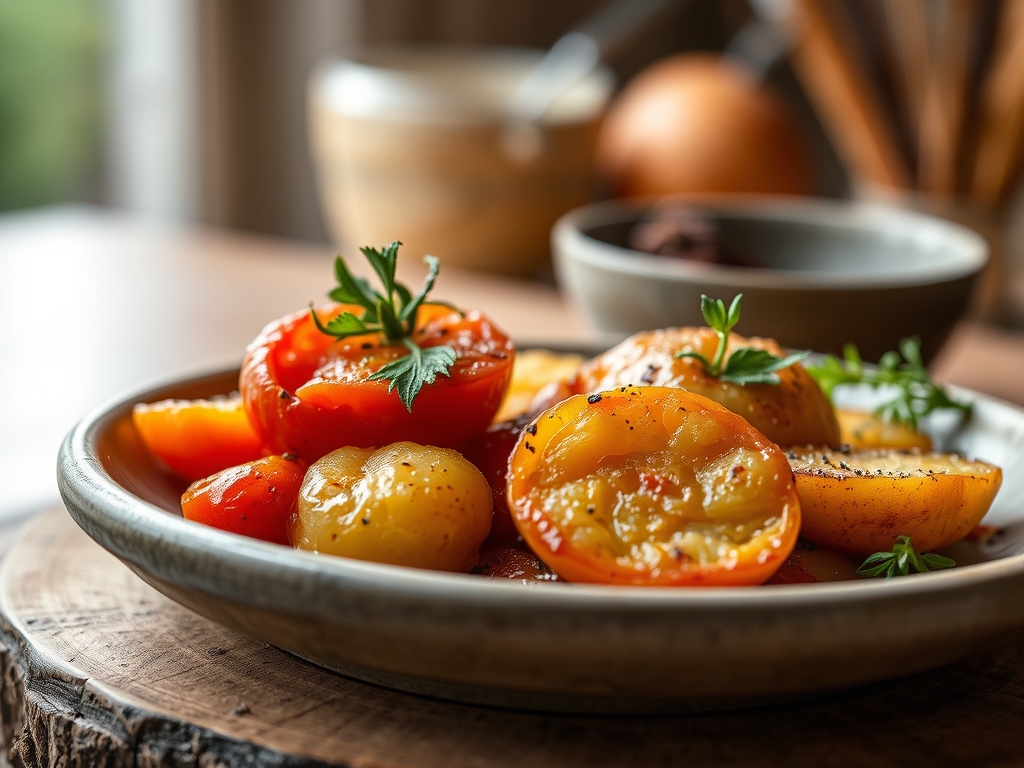
Picture a kitchen filled with the scent of simmering acidity and earthy starch. There is something fundamentally comforting about tomato and potato recipes; they represent a culinary marriage of New World ingredients that transformed global dining. When you blister a cherry tomato next to a roasting fingerling, you are witnessing a chemical symphony of sugars and amino acids.
The magic lies in the contrast. Tomatoes provide the bright, piquant acidity needed to cut through the dense, buttery starch of a Yukon Gold. Whether you are craving a rustic tray bake or a refined gnocchi in a pomodoro reduction, these two staples are the workhorses of the pantry. We are going to explore nine distinct ways to elevate these humble ingredients into meals that feel both sophisticated and effortless. By understanding the molecular structure of our produce, we can manipulate texture and flavor to achieve restaurant-quality results at home.
The Gathers:
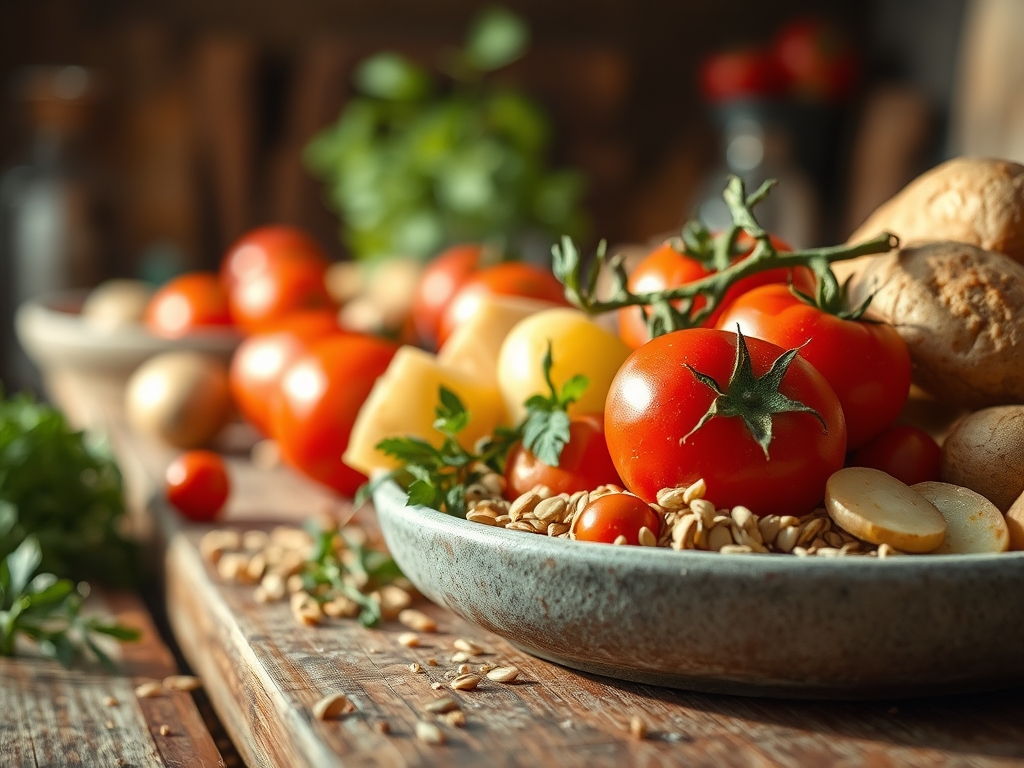
Setting up your mise-en-place is more than just organization; it is about managing the volatile compounds in your ingredients. For these tomato and potato recipes, start with high-density tubers like Russets for frying or waxy Red Bliss for salads. Your tomatoes should range from concentrated pastes to juicy Heirlooms.
The Inventory:
- Potatoes: Look for heavy, firm tubers without greening (solanine).
- Tomatoes: A mix of Roma for structure and San Marzano for sweetness.
- Aromatics: Fresh garlic, shallots, and woody herbs like rosemary.
- Fats: High-smoke point avocado oil for roasting and cold-pressed olive oil for finishing.
Smart Substitutions:
If you lack fresh tomatoes, a high-quality canned crushed tomato works beautifully to provide the necessary liquid for braising. If you are watching carbohydrates, you can substitute half the potato volume with cauliflower florets; their porous structure mimics the potato's ability to absorb tomato-based sauces. For a deeper umami profile, swap table salt for a splash of fish sauce or a microplaned dusting of Parmesan cheese.
The Clock
Efficiency in the kitchen is governed by "Chef's Flow," the art of overlapping tasks to minimize downtime. For most tomato and potato recipes, the potato is your bottleneck due to its dense cellular structure. Expect a total active time of 20 minutes, with a passive cook time of 35 to 45 minutes.
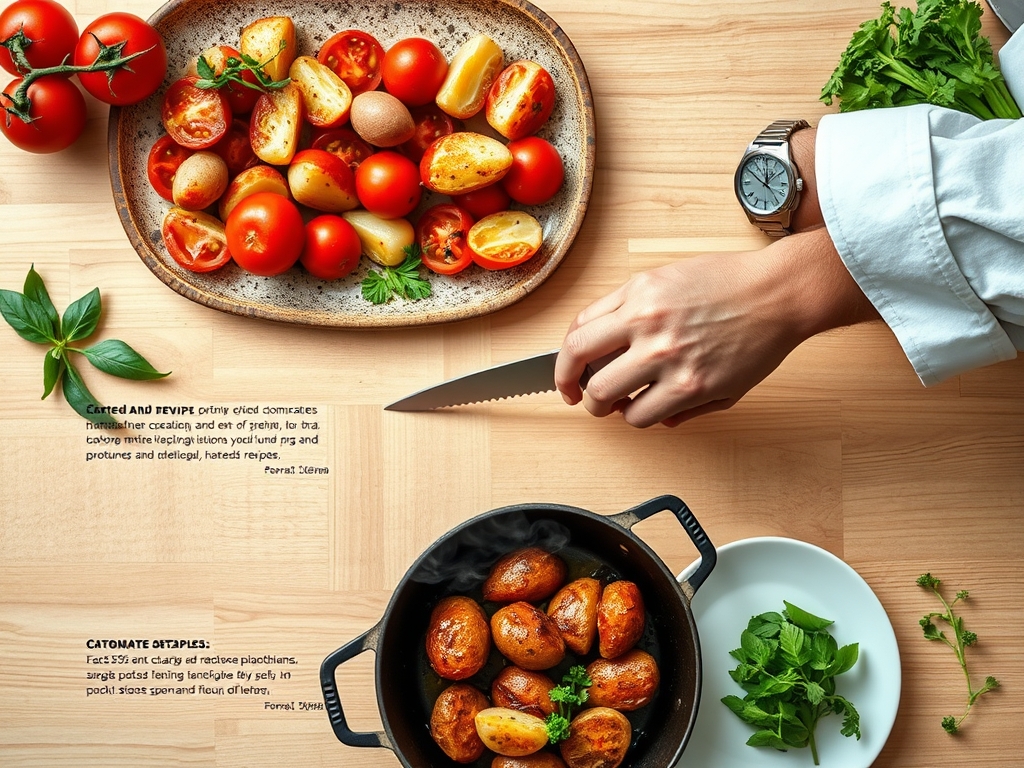
Start by preheating your oven or heating your heavy-bottomed skillet immediately. While the heat builds, use a sharp chef's knife to uniform your cuts. Smaller cubes increase surface area, accelerating the Maillard reaction. If you are boiling, start with cold water to ensure the exterior does not turn to mush before the interior reaches 210 degrees Fahrenheit. By the time your potatoes are parboiled, your tomato reduction should be thickening on the back burner.
The Masterclass
1. The Parboil and Rough-Up
Place your cubed potatoes in salted cold water and bring to a boil. Drain them when they are just fork-tender. Use a bench scraper or give the colander a vigorous shake to roughen the edges.
Pro Tip: This creates a starchy "slurry" on the surface. When roasted, this starch dehydrates and fries, creating a glass-like crunch through increased surface area.
2. The Aromatics Infusion
In a saucier, heat your oil and add smashed garlic cloves and herbs. Let them dance in the fat until fragrant but not browned.
Pro Tip: This is fat-soluble flavor extraction. Many aromatic compounds in garlic and rosemary do not dissolve in water; they require a lipid medium to carry flavor into the potatoes.
3. The High-Heat Roast
Spread the potatoes on a preheated sheet pan. Ensure they are in a single layer to avoid steaming. Roast at 425 degrees Fahrenheit until the undersides are golden.
Pro Tip: Using a preheated pan triggers immediate thermal conduction, sealing the exterior starch and preventing the potato from sticking to the metal.
4. The Tomato Blister
Add whole cherry tomatoes to the pan during the last 12 minutes of roasting. Use tongs to rotate them once.
Pro Tip: High heat causes the water inside the tomato to turn to steam, expanding until the skin ruptures. This concentrates the sugars and creates a built-in sauce for the potatoes.
5. The Deglaze and Emulsify
Once the pan is out of the oven, add a splash of balsamic vinegar or white wine. Use a wooden spoon to scrape up the browned bits (fond).
Pro Tip: This process captures the concentrated proteins stuck to the pan. The acid in the liquid balances the heavy fats, creating a bright, complex finish.
6. The Herb Aeration
Fold in fresh basil or parsley only after the heat source is removed. Use a gentle folding motion to distribute.
Pro Tip: Fresh herbs contain delicate essential oils that dissipate under high heat. Adding them at the end preserves their vibrant color and piquant aroma.
The Deep Dive
When we look at the macro nutrition of tomato and potato recipes, we see a powerhouse of potassium and Vitamin C. Potatoes provide complex carbohydrates for sustained energy, while tomatoes offer lycopene, a potent antioxidant that becomes more bioavailable when cooked with fats.
Dietary Swaps:
- Vegan: Use nutritional yeast instead of cheese for a nutty, savory hit.
- Keto: This is a "cheat day" meal, but you can lower the glycemic load by cooling the potatoes after cooking to create resistant starch before reheating.
- Gluten-Free: Naturally compliant, provided you avoid processed thickeners in your tomato sauce.
The Fix-It:
- Soggy Potatoes: Usually caused by overcrowding. Spread them out across two pans to allow moisture to escape as steam.
- Bitter Tomato Sauce: This happens if the seeds burn or the tomatoes were underripe. Add a pinch of baking soda to neutralize the pH or a teaspoon of sugar to balance the bitterness.
- Potatoes Hard in the Middle: You skipped the parboil. To fix, add a splash of water to the pan and cover with foil for five minutes to create a steam chamber.
Meal Prep Science:
To maintain "day-one" quality, store your potatoes and tomato sauce separately if possible. When reheating, use an air fryer or a toaster oven rather than a microwave. The microwave excites water molecules, leading to a rubbery texture; the dry heat of an oven re-crisps the exterior starch.
The Wrap-Up
Mastering tomato and potato recipes is like learning the secret language of the kitchen. Once you understand how to balance the earthy depth of a tuber with the vibrant acidity of a vine-ripened fruit, you can cook almost anything. These nine pairings are just the beginning of your journey. Don't be afraid to experiment with different textures; try a silky potato puree topped with a chunky tomato confit, or a crispy hash tossed in a spicy tomato vinaigrette. Grab your heavy-bottomed skillet and get cooking; your taste buds will thank you for the scientific precision!
The Kitchen Table
Can I use sweet potatoes instead of white potatoes?
Yes, but be mindful of the sugar content. Sweet potatoes undergo the Maillard reaction much faster than white potatoes; you should lower the oven temperature by 25 degrees to prevent the natural sugars from burning before the interior is soft.
Why do my potatoes turn gray after cutting?
This is enzymatic browning caused by oxidation. When oxygen hits the cut surface, enzymes react to create melanin. To prevent this, submerge your cut potatoes in cold water or toss them with an acidic tomato juice immediately after slicing.
What is the best tomato for a thick sauce?
The Roma or San Marzano is superior because they have a lower water content and fewer seeds. This means you spend less time reducing the liquid and more time developing deep, caramelized flavors in your heavy-bottomed skillet or saucier.
Should I peel the potatoes for these recipes?
It is a matter of texture. Keeping the skins on adds a rustic feel and increases the fiber content. However, for a refined dish, peeling allows the tomato acids to penetrate the starch more deeply, resulting in a more infused flavor profile.