
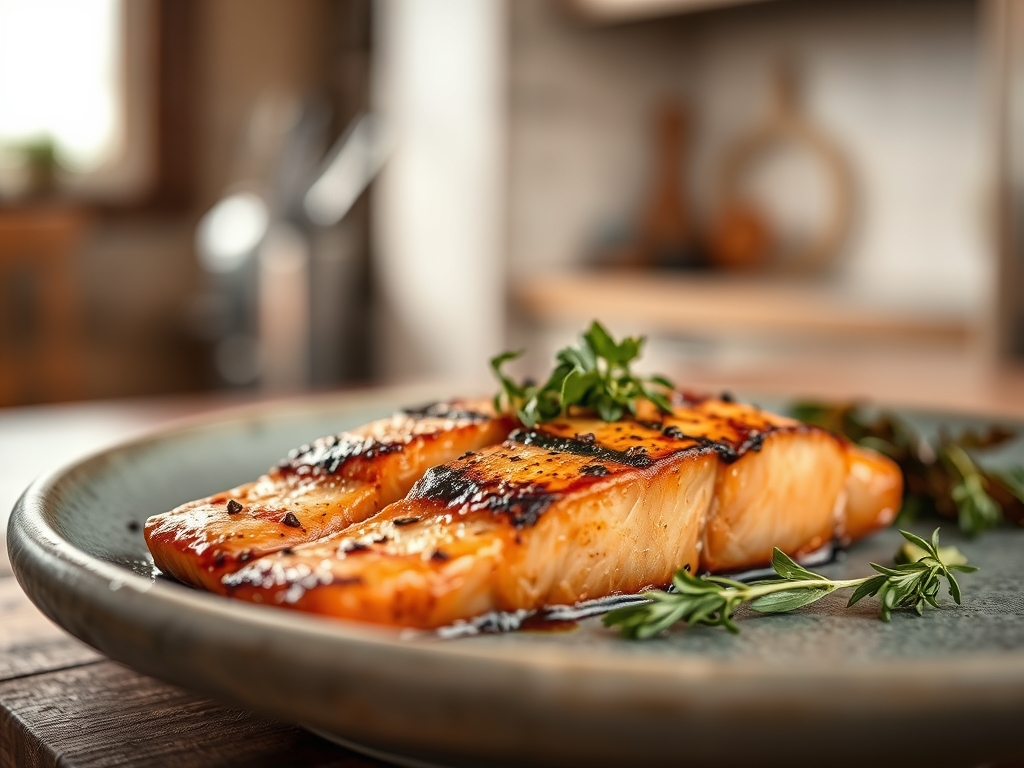
Imagine the sound of a heavy cast iron grate meeting a cold, ruby-red fillet. The hiss is immediate; it is the sound of moisture rapidly evaporating to make way for a glorious crust. When you are hunting for the best red salmon recipes grill enthusiasts swear by, you are really looking for the intersection of fat, fire, and timing. Sockeye salmon, known for its deep crimson hue and lean, firm texture, requires a different level of respect than its fatty Atlantic cousins. It is a wild, muscular fish that demands precision to avoid the dreaded chalky finish. Today, we are moving beyond basic seasoning. We are diving into the molecular mechanics of the perfect sear; ensuring every bite is a buttery, piquant explosion of flavor. Grab your favorite apron and a glass of crisp Sauvignon Blanc. We are about to turn your backyard into a five-star bistro.
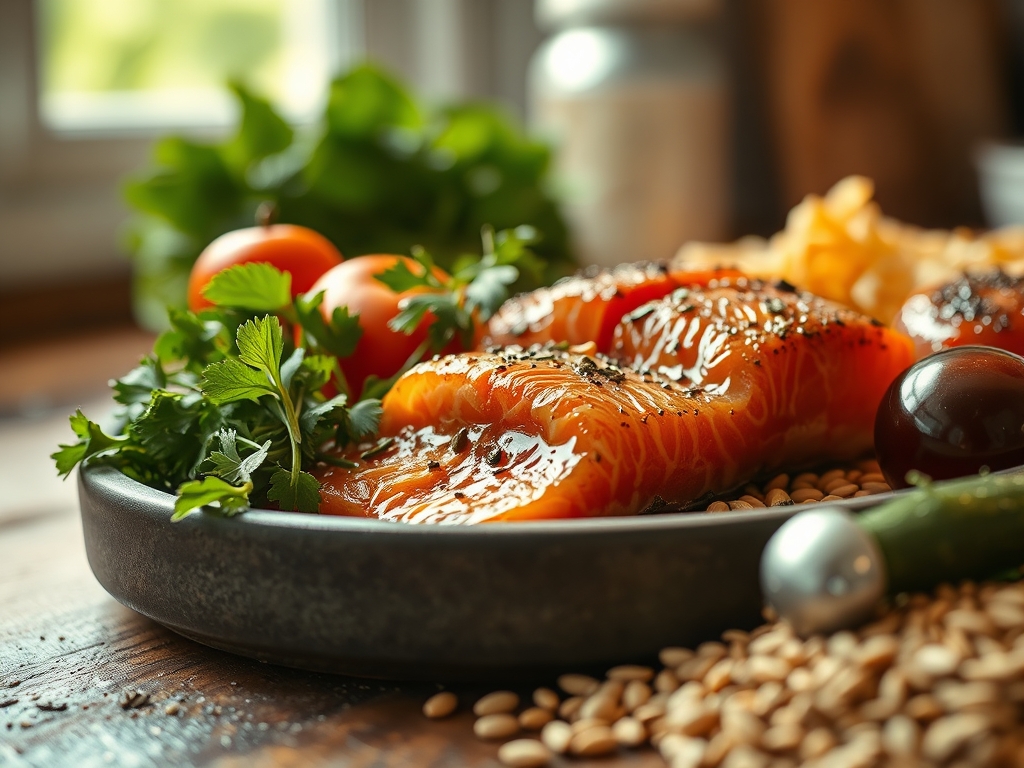
The Gathers:
Setting your station is not just about organization; it is about managing the thermal transition of your ingredients. You will need high-quality red salmon fillets, preferably skin-on to act as a heat shield. For the marinade, gather cold-pressed olive oil for its viscous mouthfeel and high-quality sea salt to initiate osmosis. You will also need fresh dill, a microplane for zesting organic lemons, and a few cloves of garlic.
The science of the "Gathers" lies in the aromatics. When you use a microplane to shave lemon zest, you are rupturing the oil sacs in the flavedo, releasing volatile compounds that provide that bright, citrusy punch. If you lack fresh herbs, a smart substitution is dried tarragon, though you should use one-third the amount as the oils are more concentrated. For those avoiding nightshades, swap paprika for a touch of ground turmeric and cumin to maintain that earthy depth without the heat. Always ensure your fish is patted bone-dry with lint-free towels before you begin. Moisture is the enemy of the Maillard reaction.
The Clock
Efficiency in the kitchen is what professionals call "Chef's Flow." For these red salmon recipes grill sessions, your total active time is roughly 15 minutes, with a total turnaround of 30 minutes.
Prep Time (15 Minutes): This includes the "tempering" phase. Never throw a fridge-cold fillet onto a scorching grill. Allow the salmon to sit at room temperature for about 10 to 15 minutes. This ensures the center reaches the target temperature at the same time the exterior finishes its caramelization.
Cook Time (8 to 10 Minutes): This is the high-stakes window. You are aiming for an internal temperature of 125 degrees Fahrenheit for a perfect medium-rare.
Rest Time (5 Minutes): Crucial for moisture retention. During this phase, the muscle fibers relax, allowing the juices to redistribute rather than spilling out onto your plate.
The Masterclass
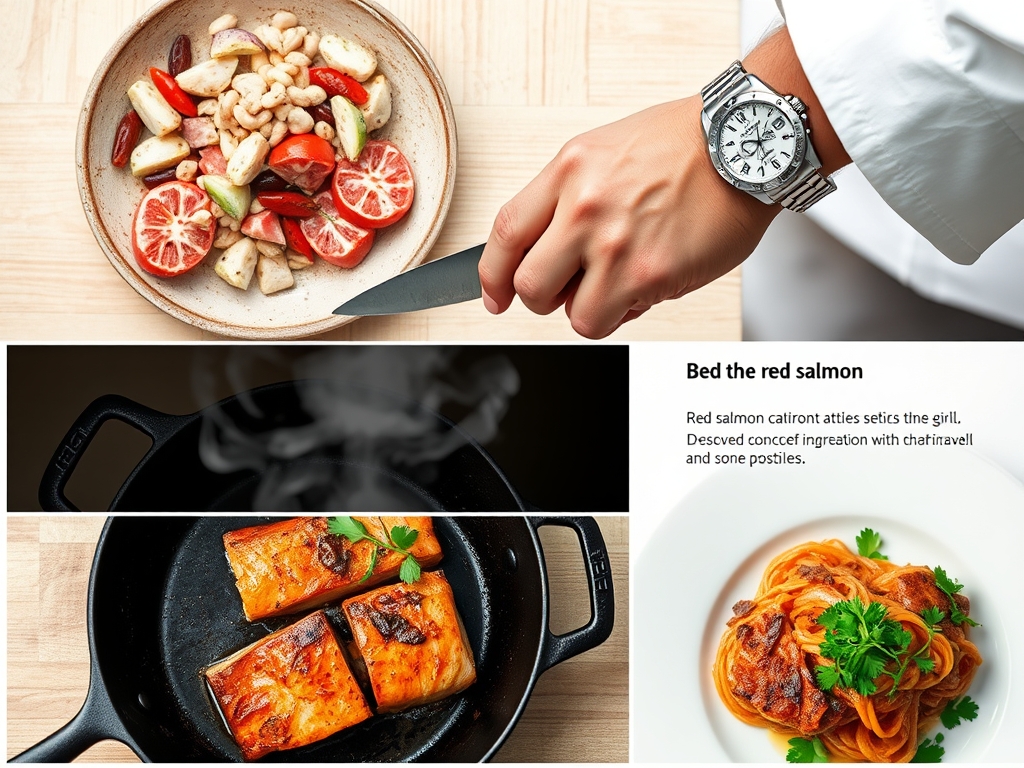
1. The Tempering and Drying Phase
Before the flame even touches the fish, you must prepare the surface. Use a bench scraper to ensure your workspace is clear, then pat the salmon until the skin feels like parchment paper.
Pro Tip: Drying the skin is essential for enzymatic browning. If the surface is wet, the grill's energy is wasted evaporating water at 212 degrees rather than searing protein at 300 degrees plus.
2. Lubrication and Seasoning
Coat the fillets in a thin layer of oil. Do not pour it on; use a pastry brush for an even, microscopic coating. Season aggressively with salt and pepper from a height of twelve inches to ensure even distribution.
Pro Tip: Salt acts as a denaturant, slightly breaking down the tightly wound proteins on the surface. This creates a "tackiness" that helps the skin crisp up into a cracker-like texture.
3. The High-Heat Contact
Place the salmon skin-side down on a cleaned, oiled grate. Press down firmly with a wide metal spatula for the first 30 seconds to prevent the skin from curling as the proteins contract.
Pro Tip: This initial pressure ensures maximum surface area contact, facilitating a rapid Maillard reaction which produces hundreds of different flavor compounds.
4. The Zone Management
Move the salmon to a slightly cooler part of the grill after the initial sear. Close the lid to create a convection environment.
Pro Tip: Using "two-zone" lighting prevents the outside from charring before the interior fat can render. This keeps the flesh succulent rather than stringy.
5. The Flip and Glaze
Using precision tongs, gently flip the fish only once. At this stage, you can brush on a honey-mustard or balsamic glaze if desired.
Pro Tip: Sugars burn quickly. By waiting until the final two minutes to glaze, you avoid carbonizing the sauce while still allowing it to infuse the top layer of the fish.
6. The Carryover Pull
Remove the salmon when your digital thermometer reads 120 to 122 degrees Fahrenheit.
Pro Tip: This accounts for thermal carryover. The internal temperature will continue to rise by 3 to 5 degrees while resting, landing you perfectly at the 125-degree "sweet spot."
The Deep Dive
Red salmon is a nutritional powerhouse, boasting high levels of Omega-3 fatty acids and Astaxanthin, the antioxidant responsible for its vibrant color. A 6-ounce portion typically provides 40 grams of protein and zero carbohydrates, making it a staple for Keto and Paleo lifestyles.
Dietary Swaps: For a vegan alternative, use this same grilling method on thick-cut "steaks" of cauliflower or king oyster mushrooms, using a seaweed-infused oil to mimic the oceanic salinity. For a Gluten-Free approach, simply ensure your glazes use tamari instead of standard soy sauce.
The Fix-It:
- Fish is sticking: You likely tried to flip it too early. Protein "releases" naturally from the grate once the sear is complete. Wait another 60 seconds.
- White gunk (Albumin) appearing: This means the heat is too high, causing the protein to contract too violently and squeeze out the liquid protein. Lower your flame.
- Flare-ups: Keep a small spray bottle of water nearby to douse flames without cooling the entire grate.
Meal Prep: To reheat without turning your salmon into rubber, avoid the microwave. Use a saucier or small pan with a tablespoon of water and a lid over low heat. This creates a steam chamber that gently rehydrates the fats.
The Wrap-Up
Mastering red salmon recipes grill style is a rite of passage for any home cook looking to elevate their outdoor game. It is about understanding that fire is a tool, not just a heat source. By focusing on the science of tempering, the chemistry of the Maillard reaction, and the discipline of the rest period, you transform a simple piece of seafood into a culinary masterpiece. Don't be afraid of the high heat; embrace it. Your taste buds, and your dinner guests, will thank you for the extra attention to detail.
The Kitchen Table
How do I stop salmon from sticking to the grill?
Ensure the grates are scrubbed clean and preheated for ten minutes. Pat the salmon skin completely dry and coat it lightly with high-smoke-point oil. Do not attempt to flip the fish until it naturally releases from the metal.
What is the best temperature for grilled red salmon?
For a moist, flakey texture, aim for an internal temperature of 125 degrees Fahrenheit. Pull the fish off the grill at 120 degrees, as carryover cooking will raise the temperature while the salmon rests on the platter.
Should I grill salmon with the lid open or closed?
Start with the lid open to achieve a hard sear on the skin. Once flipped, close the lid to create a convection effect. This ensures the thickest part of the fillet cooks through without burning the exterior.
Can I grill frozen salmon fillets?
It is not recommended. Grilling frozen salmon leads to uneven cooking, where the outside becomes overdone while the center remains icy. Always thaw your salmon in the refrigerator overnight and pat dry before placing it on the heat.