
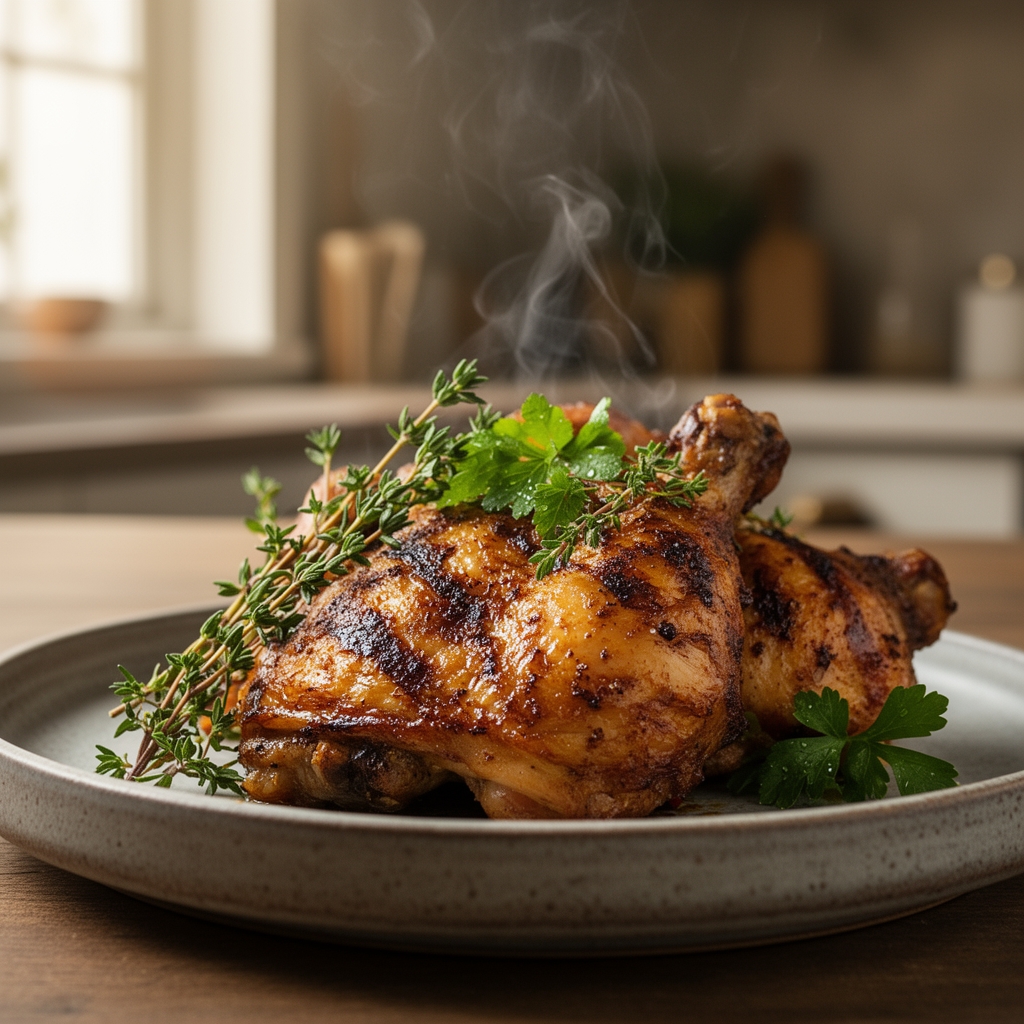
The first crack of char on chicken skin over open flame releases sulfur compounds that mingle with allspice smoke, a scent so distinct you can taste it before the fork even lifts. Authentic jamaican jerk chicken recipes hinge on that balance: scorching heat meets aromatic complexity, where Scotch bonnet peppers and pimento wood transform humble poultry into something primal. These eight variations honor tradition while giving you control over heat levels, marinades, and cooking methods, from oil-drum grills to precision ovens. Each recipe delivers that signature mahogany crust and juice-soaked meat, whether you're feeding a backyard crowd or prepping weeknight dinners. The chemistry is simple: capsaicin, allspice eugenol, and Maillard browning at 300°F+ create layers no bottled sauce can replicate. Strip away the guesswork, and you're left with technique, time, and fire.
The Gathers
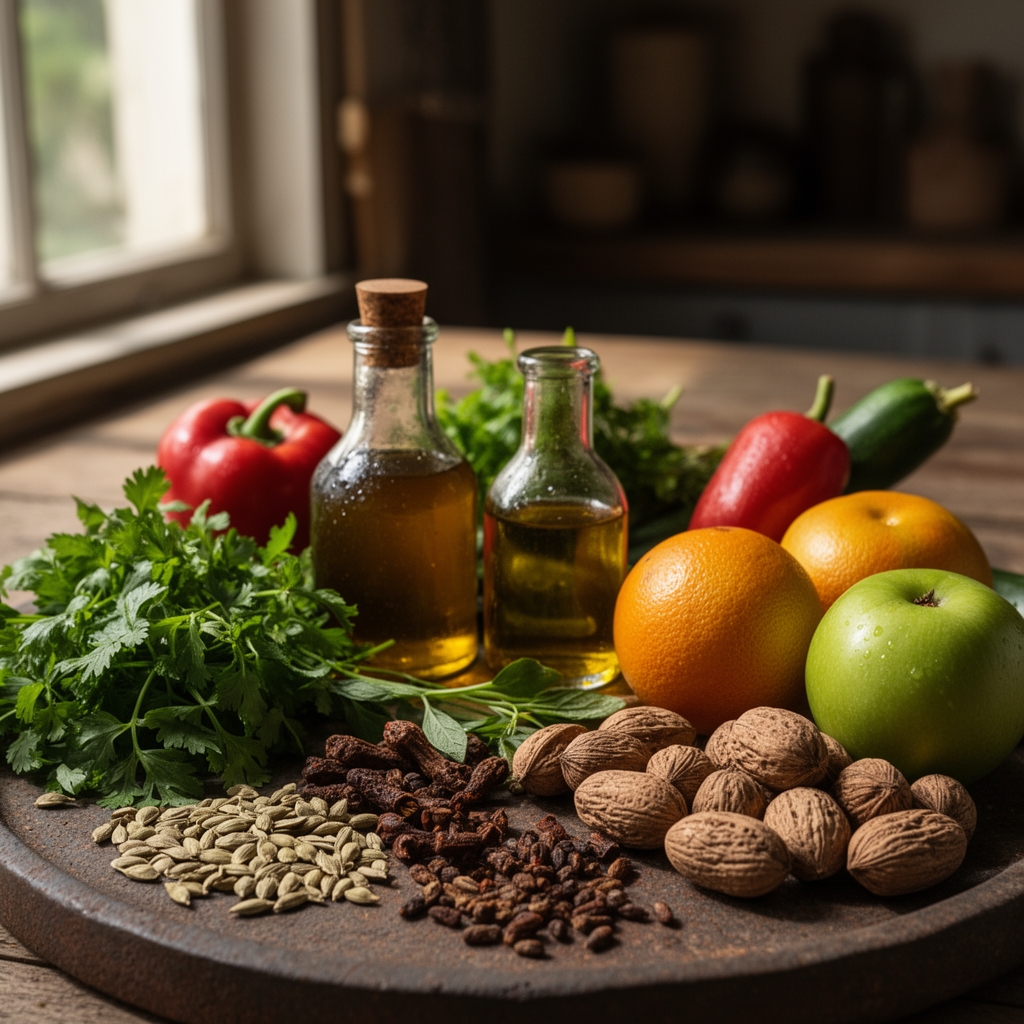
As you see in the ingredient spread below, the raw components reveal their purpose before heat ever touches them. Scotch bonnet peppers (2 to 6, seeds in for max heat) sit beside fresh thyme sprigs (8 to 10), their oils still volatile. Allspice berries (2 tablespoons, whole or ground) anchor the spice blend, while garlic cloves (6 to 8, peeled) and a 2-inch knob of fresh ginger wait for the mortar or blender. Green onions (1 bunch, roughly chopped), soy sauce (1/4 cup for umami depth), brown sugar (3 tablespoons to balance acid), and lime juice (from 2 limes) round out the marinade base. Chicken thighs (8 to 10 pieces, bone-in, skin-on) offer the fat and collagen needed to withstand high heat without drying out.
Smart Substitutions: Swap Scotch bonnets for habaneros if unavailable, though you'll lose some fruity notes. Replace soy sauce with coconut aminos for gluten-free builds. No fresh thyme? Use 1 tablespoon dried, but bloom it in warm oil first to awaken aromatics. Boneless thighs work but cut cooking time by 25%.
The Clock
Prep Time: 20 minutes (blending marinade, trimming chicken).
Marination Time: 4 to 24 hours (minimum 4 for penetration, 24 for maximum flavor saturation).
Cook Time: 35 to 45 minutes (depending on method: grill, oven, or stovetop-to-oven hybrid).
Total Time: 5 to 25 hours (including marination).
Chef's Flow: Blend your marinade the night before. Score chicken skin in a crosshatch pattern to let spices penetrate subcutaneous fat. Bag it, refrigerate it, forget it. The next day, bring chicken to room temp for 30 minutes while your grill or oven preheats to 375°F. This stagger prevents thermal shock and ensures even cooking from edge to center.
The Masterclass
Step 1: Build the Marinade
Combine Scotch bonnets, garlic, ginger, thyme, allspice, green onions, soy sauce, brown sugar, lime juice, and 2 tablespoons vegetable oil in a high-speed blender. Blitz for 45 seconds until you achieve a coarse paste, not a puree.
Chef's Secret: Leaving some texture allows pockets of concentrated spice to char independently, creating flavor variation in every bite. Why it Works: Capsaicin is fat-soluble, so oil helps distribute heat evenly across the meat surface.
Step 2: Score and Marinate
Pat chicken dry with paper towels. Use a sharp knife to cut 1/4-inch-deep slashes through skin and into flesh at 1-inch intervals. Massage marinade into every crevice, then seal in a zip-top bag, pressing out air. Refrigerate 4 to 24 hours, flipping once.
Chef's Secret: Scoring breaks up the skin's collagen network, allowing rendered fat to baste the meat from within. Why it Works: Acidic lime juice begins denaturing surface proteins, creating a tacky layer that holds spices during cooking.
Step 3: Preheat and Prep
Remove chicken from fridge 30 minutes before cooking. Preheat grill to medium-high (375 to 400°F) with a two-zone setup, or set oven to 375°F with a rack in the upper third. Scrape off excess marinade solids (they burn before the chicken cooks).
Chef's Secret: Reserve 1/4 cup marinade, boil it for 3 minutes, then use as a finishing glaze. Why it Works: Boiling kills surface bacteria from raw chicken contact while concentrating sugars for lacquer-like shine.
Step 4: Sear the Skin
Place chicken skin-side down over direct heat (or in a cast-iron skillet with 1 tablespoon oil). Sear 6 to 8 minutes without moving, until skin releases naturally and shows deep brown char marks.
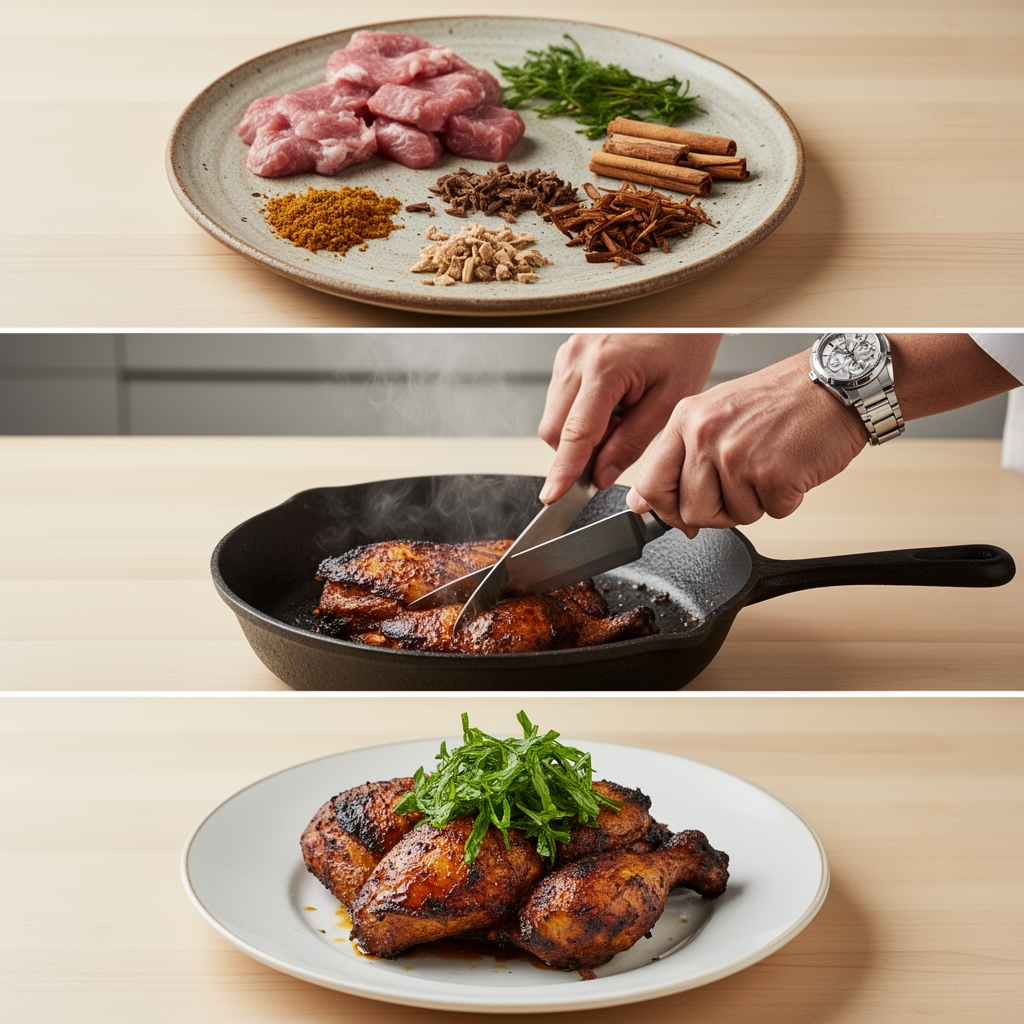
Chef's Secret: Resist the urge to flip early. Note the texture shown in the step-by-step photos: that crust forms only when surface moisture evaporates completely, allowing Maillard reactions to begin at 300°F+. Why it Works: The amino acids in soy sauce accelerate browning, giving you restaurant-quality color in less time.
Step 5: Finish with Indirect Heat
Flip chicken and move to indirect heat (or transfer skillet to oven). Cook 25 to 30 minutes until internal temp hits 165°F at the thickest part. Brush with boiled marinade in the final 5 minutes.
Chef's Secret: Pull at 160°F and let carryover heat finish the job during a 5-minute rest. Why it Works: Residual thermal energy continues cooking without drying out the meat, while resting allows juices to redistribute via capillary action.
Step 6: Rest and Serve
Tent loosely with foil and rest 5 minutes. Slice or serve whole, garnished with lime wedges and fresh thyme.
Chef's Secret: Slice against the grain at a 45-degree angle for maximum tenderness. Why it Works: Angled cuts shorten muscle fibers, reducing the force needed to chew.
Nutritional Info
Per serving (2 thighs, skin-on): Calories: 420 | Protein: 34g | Fat: 28g (saturated: 7g) | Carbohydrates: 9g | Fiber: 1g | Sodium: 680mg.
Skin-on thighs deliver collagen and monounsaturated fats that support satiety. Capsaicin from peppers may temporarily boost metabolic rate by 5 to 8%. Allspice provides trace manganese and iron.
Dietary Swaps
Keto: Replace brown sugar with erythritol or monk fruit blend (1:1 ratio). Use full-fat coconut milk in place of soy sauce for a creamier marinade. Net carbs drop to 3g per serving.
Vegan: Substitute chicken with extra-firm tofu (pressed, frozen, then thawed for meaty texture) or king oyster mushrooms. Marinate 2 hours, then grill or roast at 425°F for 20 minutes. Add liquid smoke for depth.
Gluten-Free: Swap soy sauce for tamari or coconut aminos. Verify allspice and thyme are certified gluten-free (cross-contamination risk in bulk spices).
Serving & Presentation
Plating Idea 1: Nestle thighs over coconut rice and peas, drizzle with pan juices, and scatter charred lime halves and microgreens for acid and color contrast.
Plating Idea 2: Slice thighs thin, fan over a mango and avocado salad, and finish with pickled red onions and cilantro oil for a composed plate with tropical brightness.
Plating Idea 3: Serve whole thighs on a wooden board with grilled pineapple slices, a side of cooling yogurt-cucumber raita, and fried plantain chips for textural variety.
The Pro-Dodge
Pitfall 1: Marinade burns before chicken cooks through. Fix: Scrape off solids before grilling, and use indirect heat for the final phase. If char happens early, tent with foil to slow surface browning.
Pitfall 2: Dry, chalky meat. Fix: Don't skip the rest. Cutting immediately releases pressurized juices onto the cutting board instead of into your mouth. Always pull at 160°F, not 165°F.
Pitfall 3: Uneven heat distribution on skin. Fix: Flatten thighs with your palm before searing to maximize contact with the grate or pan. Weight them with a grill press or second skillet for even crust development.
The Meal Prep Corner
Storage: Cool chicken completely, then refrigerate in airtight containers for up to 4 days. Separate skin from meat if you plan to reheat (skin reheats better independently).
Reheating: For day-one crispness, reheat thighs skin-side up in a 375°F oven for 12 to 15 minutes. Avoid microwaving, which steams the skin and turns it rubbery. Add a splash of water to the pan bottom to prevent scorching.
Freezing: Freeze cooked chicken in marinade (boiled first) for up to 3 months. Thaw in the fridge overnight, then reheat as above. Raw marinated chicken freezes well for up to 2 months; thaw and cook from there.
The Wrap-Up
These eight jamaican jerk chicken recipes give you the blueprint for heat, smoke, and spice in perfect harmony. Whether you're charring over pimento wood or finessing in a home oven, the principles remain the same: aggressive seasoning, patient marination, and high heat that respects the science of browning. Each bite should snap with crust, flood with juice, and linger with allspice warmth. Fire up your grill, invite your neighbors, and let the smoke do the talking. Drop your favorite variation or heat level adjustment in the comments below, we want to see your jerk game.
The Kitchen Table
Q: Can I use chicken breasts instead of thighs?
A: Yes, but reduce cook time to 18 to 22 minutes and brine breasts in 5% salt water for 1 hour before marinating. Breasts dry out faster due to lower fat content.
Q: How do I tone down the heat without losing flavor?
A: Remove seeds and membranes from Scotch bonnets, or reduce to 1 pepper. Add 1 tablespoon honey to the marinade to balance capsaicin without diluting spice complexity.
Q: What's the best wood for smoking jerk chicken?
A: Pimento wood (allspice tree branches) is traditional. Substitute with a mix of applewood and a handful of whole allspice berries in a smoker box for similar aromatic compounds.
Q: Can I make jerk marinade in advance?
A: Absolutely. Blend and refrigerate for up to 1 week, or freeze in ice cube trays for up to 6 months. Thaw portions as needed for quick weeknight prep.
Q: Why is my jerk chicken bitter?
A: Burnt allspice or charred garlic turns acrid. Scrape excess marinade before cooking, and keep flames at medium-high, not roaring. Indirect heat after searing prevents bitter compounds from forming.