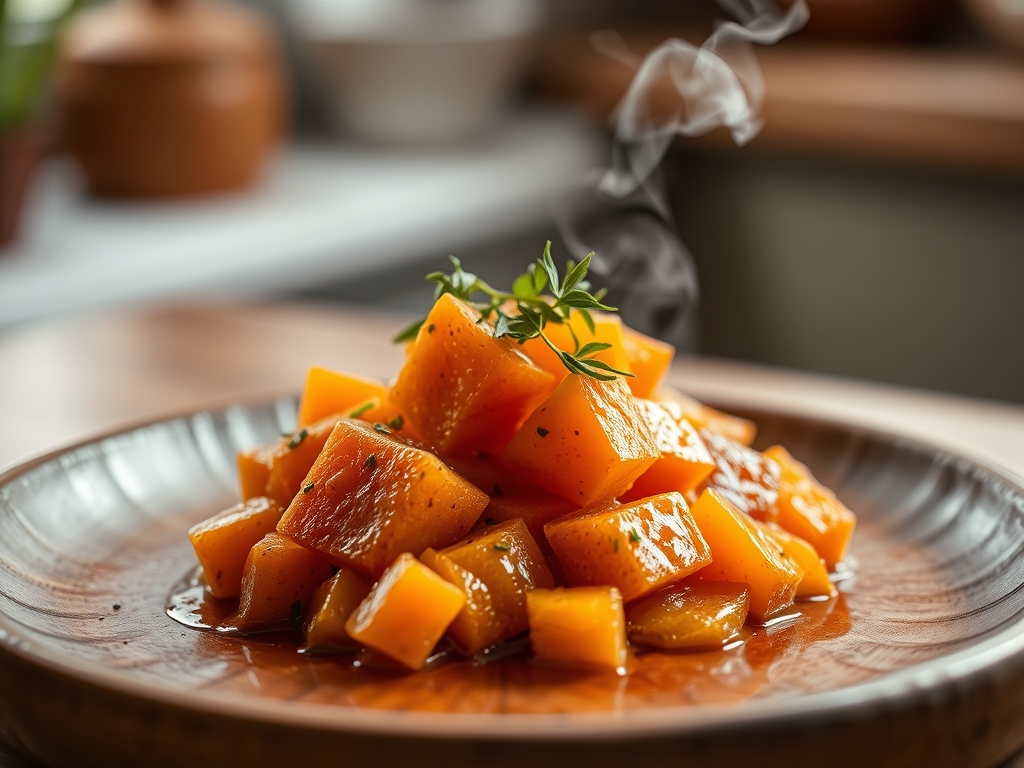
Picture the scent of caramelized natural sugars drifting through your kitchen as the oven works its magic on a sheet pan of golden cubes. There is something fundamentally grounding about butternut and sweet potato recipes; they are the culinary equivalent of a cashmere blanket. These two orange powerhouses are the stars of the autumn harvest, offering a dense, velvety texture that transforms under high heat. While they might look similar on the cutting board, their chemical compositions are distinct. The butternut squash provides a nutty, slightly floral profile, while the sweet potato brings a deep, earthy sweetness and a starchy bite. When you roast them together, you create a complex flavor profile that balances sweetness with savory depth. We are not just making a side dish here. We are engineering the perfect bite through heat and timing. Whether you are prepping for a holiday feast or a simple weeknight glow-up, mastering these tubers is a fundamental skill for any home chef.
The Gathers:
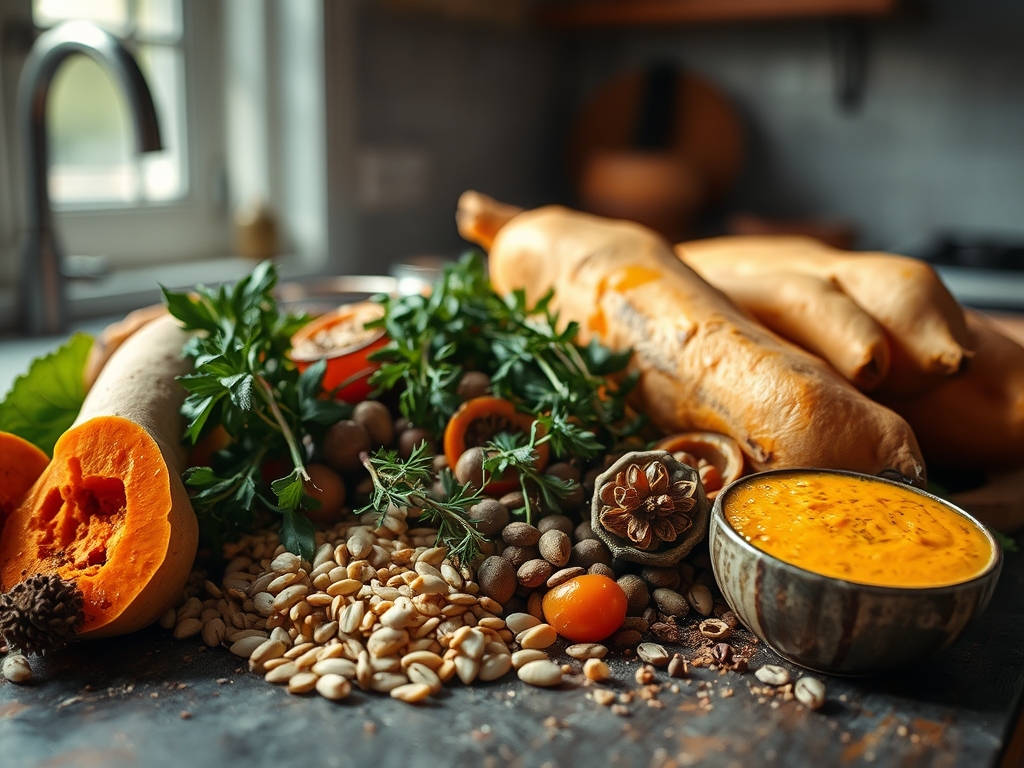
Before we fire up the oven, we must assemble our mise-en-place with precision. You will need a sharp chef knife to navigate the tough skin of the squash and a heavy-duty vegetable peeler. For the base, select one large butternut squash (approximately three pounds) and three medium garnet sweet potatoes. The moisture content in garnets is ideal for roasting because they caramelize without becoming fibrous.
You will also need high-quality fats. Reach for avocado oil or refined coconut oil; both have high smoke points that prevent the fats from breaking down and becoming acrid at 400 degrees Fahrenheit. For aromatics, gather fresh rosemary sprigs, thyme, and four cloves of garlic. To balance the natural sugars, we use Maldon sea salt for its flaky texture and a piquant hit of cracked black pepper.
Smart Substitutions: If you find yourself without butternut, Red Kuri or Honeynut squash are excellent alternatives due to their high sugar content. If you are avoiding nightshades, parsnips offer a similar starch profile but with a sharper, peppery finish. For a vegan twist on a honey glaze, use maple syrup or agave to achieve that same viscous coating that clings to the vegetables as they roast.
The Clock
Efficiency in the kitchen is all about the "Chef's Flow." Total active prep time is roughly 20 minutes, while the oven does the heavy lifting for 35 to 45 minutes. Start by preheating your oven. A cold start is the enemy of a crisp exterior. While the oven reaches temperature, focus on your knife work. The goal is uniformity. If your cubes vary in size, the small ones will carbonize while the large ones remain raw and starchy in the center. Once the trays are in, use the "mid-point rotation" to ensure even heat distribution. This flow allows you to clean your station and prep a garnish or a protein while the roasting process handles the Maillard reaction.
The Masterclass
1. The Precision Cut
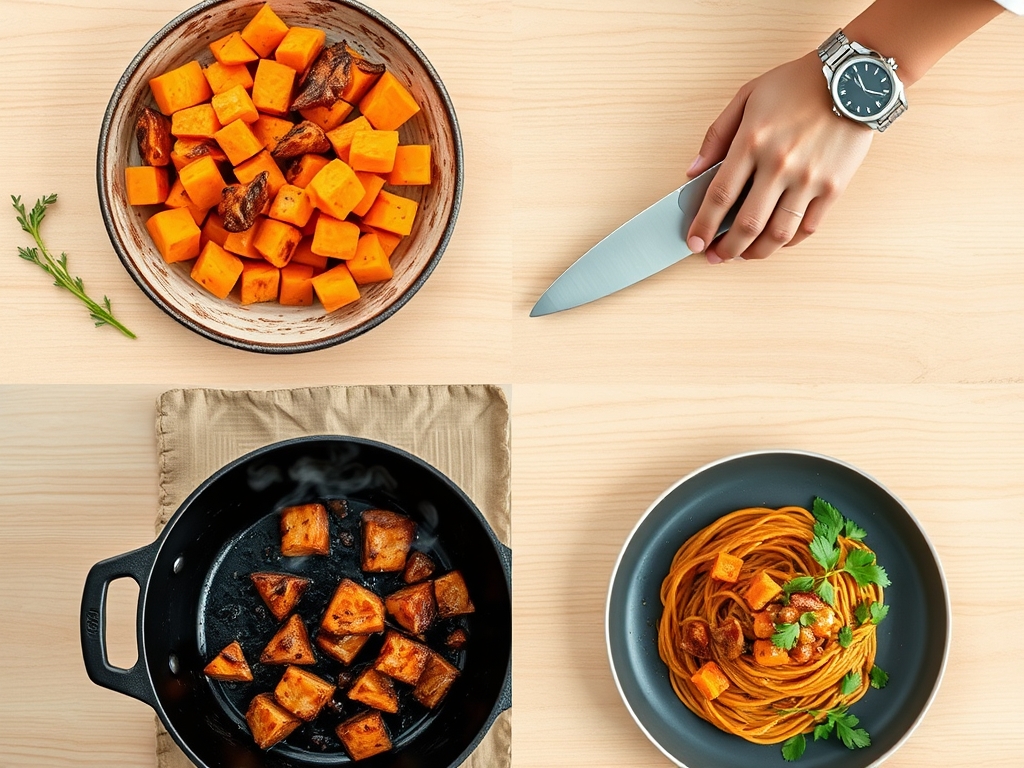
Peel your vegetables thoroughly until you reach the vibrant orange flesh. Slice the neck of the butternut squash into rounds, then cubes. For the sweet potatoes, keep the skin on if you want extra fiber, or peel for a more refined aesthetic. Aim for one-inch cubes across the board.
Pro Tip: This is about surface area. Smaller cubes increase the ratio of browned exterior to soft interior. The enzymatic browning occurs more rapidly when the cell walls are cut cleanly with a sharp knife rather than crushed with a dull blade.
2. The Emulsion Toss
Place your cubes in a large stainless steel bowl. Do not season on the tray. Drizzle your oil and toss vigorously with your hands or a large spoon. You want every millimeter of the vegetable to be glistening. This ensures the heat transfers evenly across the surface.
Pro Tip: Adding a pinch of cornstarch or arrowroot powder here creates a microscopic barrier. This barrier absorbs excess surface moisture, leading to a much crispier "shatter" when you bite into the finished roast.
3. The Spacing Strategy
Spread the vegetables onto a heavy-rimmed baking sheet. Do not crowd the pan. If the cubes are touching, they will release steam, which leads to a mushy, boiled texture rather than a roasted one. Use two pans if necessary to ensure adequate airflow.
Pro Tip: This is the science of evaporative cooling. If the steam cannot escape the pan, the temperature of the vegetable surface will never rise above 212 degrees Fahrenheit, preventing the caramelization that happens at higher temperatures.
4. The High-Heat Roast
Slide your trays into a 400-degree oven. At the 20-minute mark, use a wide metal spatula or a bench scraper to flip the vegetables. This redistributes the oil and ensures the side touching the hot metal does not burn while the top remains pale.
Pro Tip: Use the middle and upper racks. The bottom rack often provides too much direct conductive heat, which can scorch the natural sugars before the interior starch has fully gelatinized.
5. The Infusion Finish
In the last five minutes of roasting, toss in your woody herbs and smashed garlic cloves. This prevents the delicate volatile oils in the herbs from burning while allowing them to infuse the fat on the surface of the vegetables.
Pro Tip: Garlic contains high amounts of sulfur and sugar. Adding it too early results in a bitter, burnt flavor. Adding it late allows the residual heat to mellow the pungency without destroying the aromatic profile.
The Deep Dive
Nutritionally, this dish is a powerhouse of Vitamin A, Vitamin C, and potassium. One serving provides over 200 percent of your daily recommended intake of beta-carotene. For those following specific diets, this recipe is naturally gluten-free and vegan-friendly if you use oil instead of butter. To make it "Keto-adjacent," increase the ratio of butternut squash to sweet potato, as squash has a lower glycemic load.
The Fix-It:
- Soggy Veggies: Your oven temperature was likely too low or the pan was overcrowded. Fix this by cranking the heat to 425 for the last five minutes and moving the tray to the top rack.
- Burnt Edges, Raw Center: This happens when the cubes are too large. Cover the tray with foil to trap steam and finish the interior cooking, then remove the foil for a final crisp.
- Bland Flavor: You likely under-salted before roasting. Salt draws out moisture; if you only salt at the end, the flavor sits on top rather than penetrating the core.
Meal Prep Science: To reheat, avoid the microwave. Microwaves vibrate water molecules, which turns your crispy roast into a damp mess. Instead, use a heavy-bottomed skillet over medium heat or an air fryer at 350 degrees for three minutes to crisp the exterior back to "day-one" quality.
The Wrap-Up
There you have it; the ultimate guide to mastering butternut and sweet potato recipes. By understanding the chemistry of heat and the importance of surface area, you have leveled up from a basic cook to a kitchen scientist. These roasts are versatile, vibrant, and deeply satisfying. Don't be afraid to experiment with different spice blends like smoky paprika or a dash of cinnamon to lean into those cozy vibes. Now, grab your tongs and get roasting. Your kitchen is about to smell incredible!
The Kitchen Table
Can I roast these vegetables ahead of time?
Yes. Roast them until they are just tender, then cool completely. Store in an airtight container for up to four days. Reheat in a hot oven or air fryer to restore the crisp texture before serving.
Why are my sweet potatoes softer than the squash?
Sweet potatoes have a higher starch content which breaks down into maltose more quickly. To sync them, cut the sweet potatoes into slightly larger cubes than the butternut squash to ensure they finish roasting at the same time.
Do I need to peel the butternut squash?
While the skin is technically edible, it is very tough and fibrous. For the best texture in roasted recipes, it is highly recommended to peel the squash entirely using a sharp Y-peeler or a chef knife.
What is the best oil for roasting vegetables?
Use oils with high smoke points like avocado, grapeseed, or refined coconut oil. These can withstand the 400-degree heat without breaking down or smoking, ensuring a clean flavor and a perfectly crisp exterior on your vegetables.