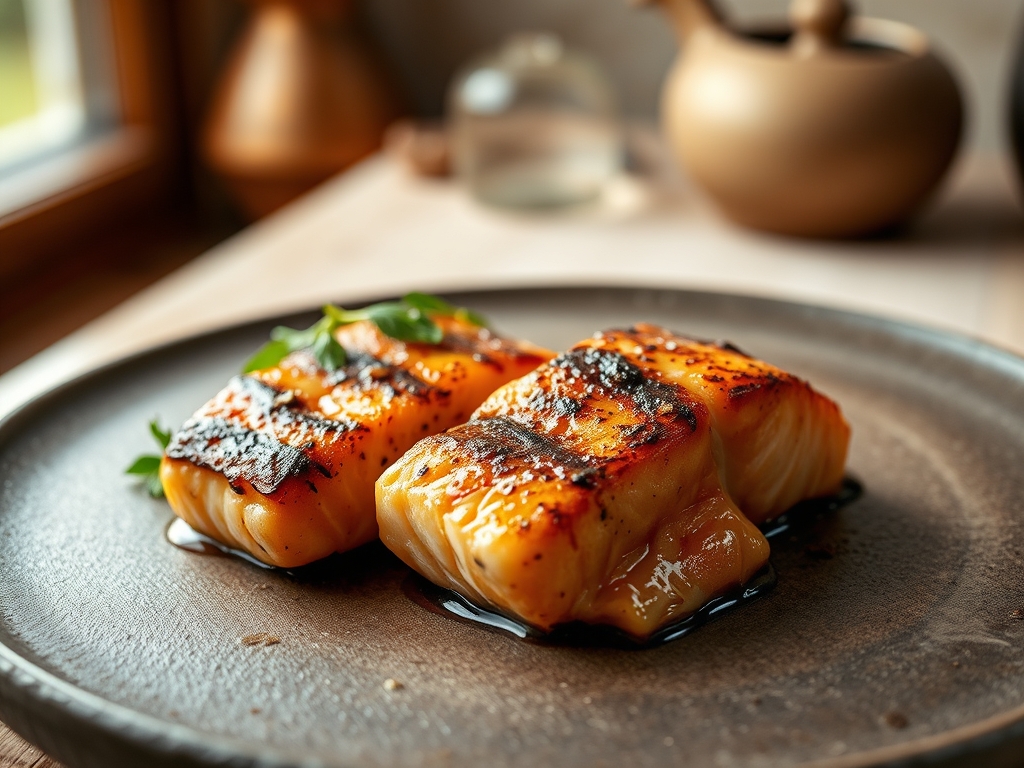
Imagine the sound of a heavy bottomed skillet meeting the flame; it is the opening chord of a kitchen symphony. You are standing there with a cold glass of Sancerre, ready to transform a humble fillet into a masterpiece using different salmon recipes. We are moving beyond the basic lemon slice and butter. We are chasing that perfect, glass like skin and a translucent, buttery center that flakes at the mere suggestion of a fork.
The secret to mastering different salmon recipes lies in understanding the structural integrity of the fish itself. Salmon is rich in myoglobin and healthy fats, making it a forgiving canvas for high heat searing or gentle, low temperature poaching. Whether you are aiming for a piquant glaze that caramelizes under a broiler or a delicate infusion of aromatics, the goal is always the same: preserving moisture while maximizing flavor profile complexity. We are going to dive into the chemistry of the Maillard reaction and the physics of heat transfer to ensure every bite is a revelation. It is time to stop fearing the fish and start commanding the kitchen with the confidence of a seasoned chef.
The Gathers:
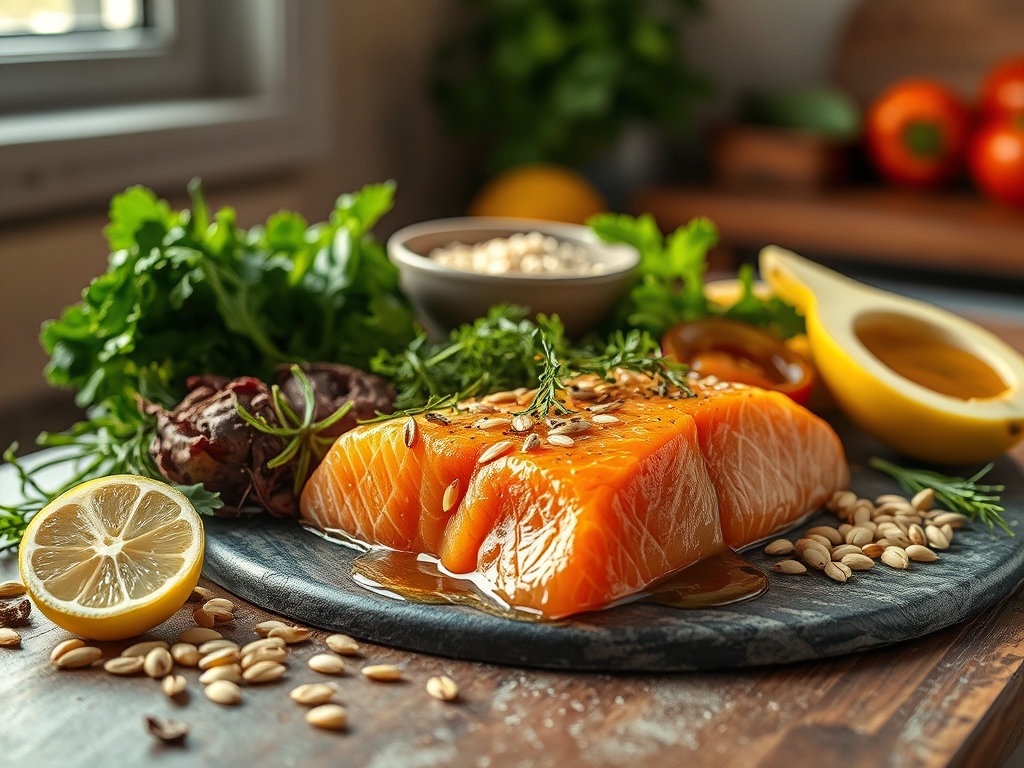
To execute these different salmon recipes with precision, your mise en place must be impeccable. Start with high quality Atlantic or King salmon fillets, ideally skin on to protect the delicate flesh from direct thermal shock. You will need a microplane for zest and aromatics; this tool ensures the essential oils are released without the bitter pith. Gather a high smoke point oil, such as avocado or grapeseed, to facilitate a crisp sear without the acridity of burnt fats.
Your pantry should include viscous liquids like aged balsamic or raw honey to create glazes that cling rather than run. Fresh herbs are non negotiable; think dill, chives, and tarragon to provide a bright, herbaceous lift to the fatty lipids of the fish. For a piquant kick, keep capers and Dijon mustard within reach. Smart Substitutions: If you are avoiding honey, a maple syrup reduction offers a similar sugar density for caramelization. If fresh dill is unavailable, fennel fronds provide a similar anise like aroma that complements the oceanic notes of the salmon.
The Clock
Efficiency in the kitchen is about the Chef's Flow, which is the logical sequencing of tasks to minimize downtime. For most different salmon recipes, the active prep time is approximately 15 minutes. This includes patting the fish bone dry; a crucial step because moisture is the enemy of a crisp sear. If there is water on the surface, the energy of the pan goes into evaporating that liquid rather than browning the protein.
The cooking duration varies by method, but a standard sear takes about 6 to 8 minutes total. Factor in a mandatory 3 minute rest period. During this time, residual heat continues to cook the center of the fillet, allowing the muscle fibers to relax and reabsorb juices. Total time from fridge to table is roughly 25 minutes. This rapid turnaround makes salmon the ultimate weeknight luxury, provided you respect the internal temperature.
The Masterclass
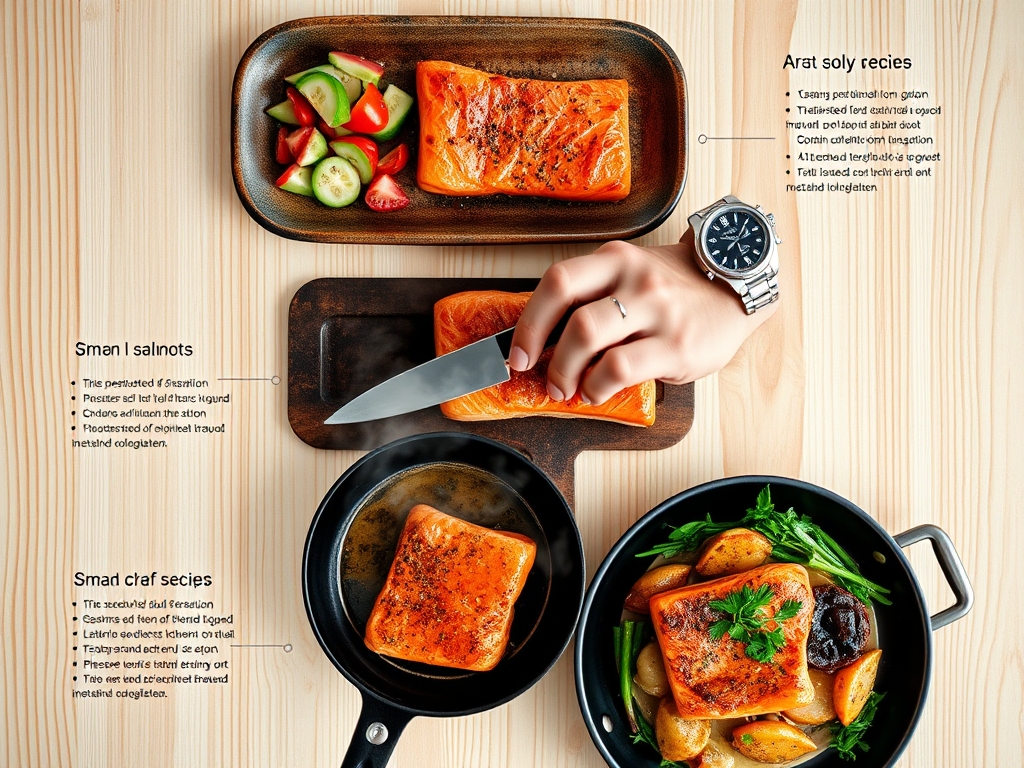
1. The Ultimate Dry Brine
Season your fillets with kosher salt at least 20 minutes before cooking. This process draws out moisture, dissolves the salt into a brine, and then reabsorbs it into the cells through osmosis. Pro Tip: This technique seasons the fish deeply and denatures the proteins slightly, which prevents the unappealing white "albumin" from leaking out during the cook.
2. Achieving the Glass Skin Sear
Heat your heavy bottomed skillet until the oil shimmers. Place the salmon skin side down and press firmly with a fish spatula for 30 seconds. This prevents the skin from curling as the collagen fibers contract. Pro Tip: The Maillard reaction occurs between 285 and 330 degrees Fahrenheit; keeping the skin in contact with the pan ensures a crisp, savory crust through chemical browning.
3. The Butter Baste and Infusion
Once you flip the fish, drop a knob of cold unsalted butter, smashed garlic, and thyme into the pan. Use a large spoon to continuously drench the salmon in the foaming fat. Pro Tip: Basting creates an emulsification of flavors that coats the fish, while the milk solids in the butter brown to add a nutty, toasted dimension.
4. Deglazing for a Pan Sauce
Remove the fish and immediately add a splash of dry white wine or citrus juice to the hot pan. Use a bench scraper or whisk to lift the "fond" (the brown bits stuck to the bottom). Pro Tip: Deglazing captures the concentrated umami trapped in the pan, turning it into a sophisticated sauce that ties the entire dish together.
5. Low Temperature Slow Roasting
For a different texture, try roasting at 275 degrees Fahrenheit until the internal temperature reaches 125 degrees. This method prevents the fat from rendering too quickly. Pro Tip: Gentle heat ensures the fats remain intact, resulting in a texture that is closer to silk than traditional cooked fish.
6. The Parchment Steam (En Papillote)
Wrap the salmon in parchment paper with thinly sliced vegetables and a splash of vermouth. The moisture from the vegetables creates a pressurized steam environment. Pro Tip: This method uses convection within the pouch to cook the fish evenly without adding extra fats, preserving the delicate oceanic flavor.
7. Curing for Homemade Gravlax
Combine salt, sugar, and citrus zest to bury a side of salmon for 36 hours in the fridge. This is a cold "cooking" method where the salt cures the flesh. Pro Tip: The salt draws out water, increasing the solute concentration and making the environment inhospitable to bacteria while concentrating the flavor.
8. The Broiler Glaze
Apply a sugar based glaze and place the salmon 4 inches under the broiler element. Watch for the bubbling of the sugars. Pro Tip: This uses radiant heat to create a charred, caramelized exterior in seconds, providing a beautiful contrast to the tender interior.
The Deep Dive
Salmon is a nutritional powerhouse, boasting high levels of Omega 3 fatty acids, Vitamin B12, and high quality protein. For those following specific diets, these different salmon recipes are incredibly adaptable. Keto followers should lean into the butter basting and creamy sauces, while Vegan guests can swap the salmon for "watermelon steaks" or firm tofu using the same searing techniques. For a Gluten Free version, ensure your soy sauce is substituted with tamari in any glazes.
The Fix It: If your salmon is sticking, you likely tried to flip it too early; the fish will naturally release once the crust has formed. If the outside is burnt but the inside is raw, your heat is too high; finish the fish in a 300 degree oven to even out the cook. If the fish tastes "fishy," it is likely oxidized; a quick soak in milk for 10 minutes can neutralize the trimethylamine oxide. For Meal Prep, reheat salmon in a low oven (250 degrees) with a splash of water covered in foil to prevent the proteins from tightening and becoming rubbery.
The Wrap-Up
Mastering different salmon recipes is about more than just following a set of instructions; it is about developing an intuition for heat and texture. By utilizing tools like the saucier and the digital scale, and understanding the science of protein denaturation, you elevate a simple meal into a culinary event. Go forth, experiment with these techniques, and remember that the best seat in the house is always at your own kitchen table.
The Kitchen Table
How do I know when salmon is perfectly cooked?
The most reliable method is using a digital thermometer to reach an internal temperature of 125 to 130 degrees Fahrenheit. The flesh should be opaque on the outside but still slightly translucent and "flaky" in the center.
Why does my salmon always have white stuff on it?
That white substance is albumin, a protein that pushes to the surface when the muscle fibers contract too quickly from high heat. To prevent this, try a quick salt brine or cook the fish at a lower temperature.
Can I cook salmon directly from the freezer?
It is not recommended for searing as the exterior will overcook before the center thaws. However, you can use the "en papillote" (parchment) method for frozen fillets, though the texture will be slightly less firm than fresh.
What is the best oil for searing salmon?
Use an oil with a high smoke point like avocado, grapeseed, or canola oil. Avoid extra virgin olive oil for high heat searing, as it can break down and create bitter off flavors at high temperatures.