
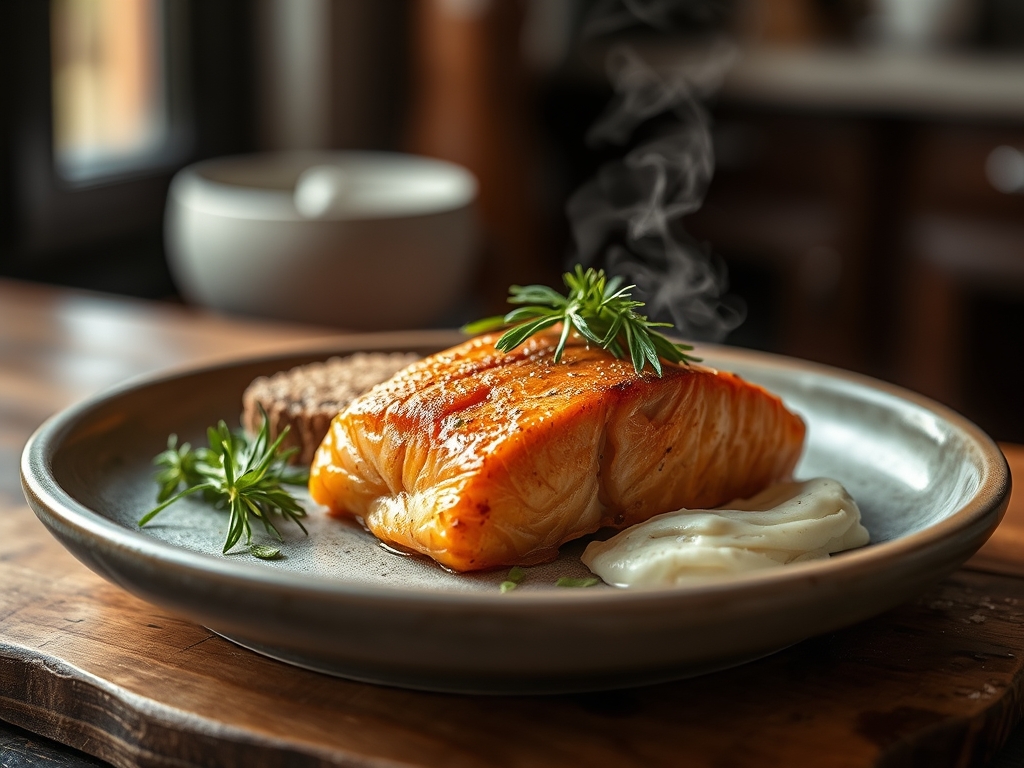
Crack open a tin of sockeye and you are met with a vibrant, coral-hued treasure that puts standard tuna to shame. The scent is clean and oceanic; the texture is firm yet flaky. If you have been searching for tin red salmon recipes that actually taste like a five-star bistro lunch, you are in the right place. We are moving far beyond the sad, watery mayo salads of the past. We are talking about leveraging the high fat content and natural salinity of wild-caught red salmon to create meals that are structurally sound and flavor-dense. These nine hacks utilize professional kitchen techniques to transform a pantry staple into a gourmet centerpiece. From achieving the perfect sear on a salmon cake to emulsifying a piquant dressing that clings to every flake, we are diving deep into the molecular magic of your lunch break. Get your microplane ready because we are about to elevate your midday routine with serious culinary precision and a dash of wit.
The Gathers:
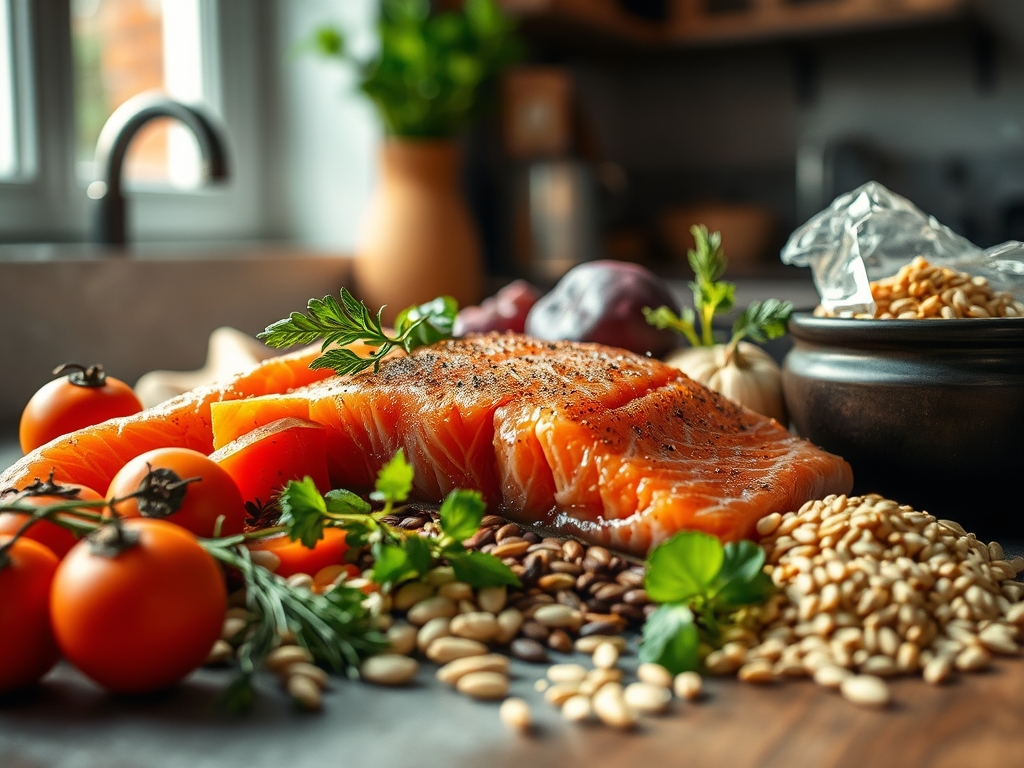
Setting up your station is the first step toward a successful service. For these tin red salmon recipes, your mise-en-place should focus on contrasting textures and acidic brightness. You will need high-quality canned red salmon; look for "traditional pack" if you want the calcium-rich bones or "skinless and boneless" for speed. Gather your aromatics: shallots for a delicate bite, fresh dill for its grassy notes, and lemons for essential citric acid.
You will also need a viscous binding agent. While Greek yogurt offers a tangy profile, a high-quality avocado oil mayo provides the lipids necessary for a silky mouthfeel. For crunch, reach for celery or toasted pepitas. If you are missing an ingredient, use these Smart Substitutions: swap capers for chopped green olives to maintain that salty punch, or use lime zest if lemons are absent. If you need a binder but want to avoid eggs, a flax-meal slurry works beautifully to maintain structural integrity during cooking. Always use a digital scale to measure your salmon solids versus your liquid binders; a 4:1 ratio ensures your cakes or salads never turn into mush.
The Clock: 15 Minutes to Glory
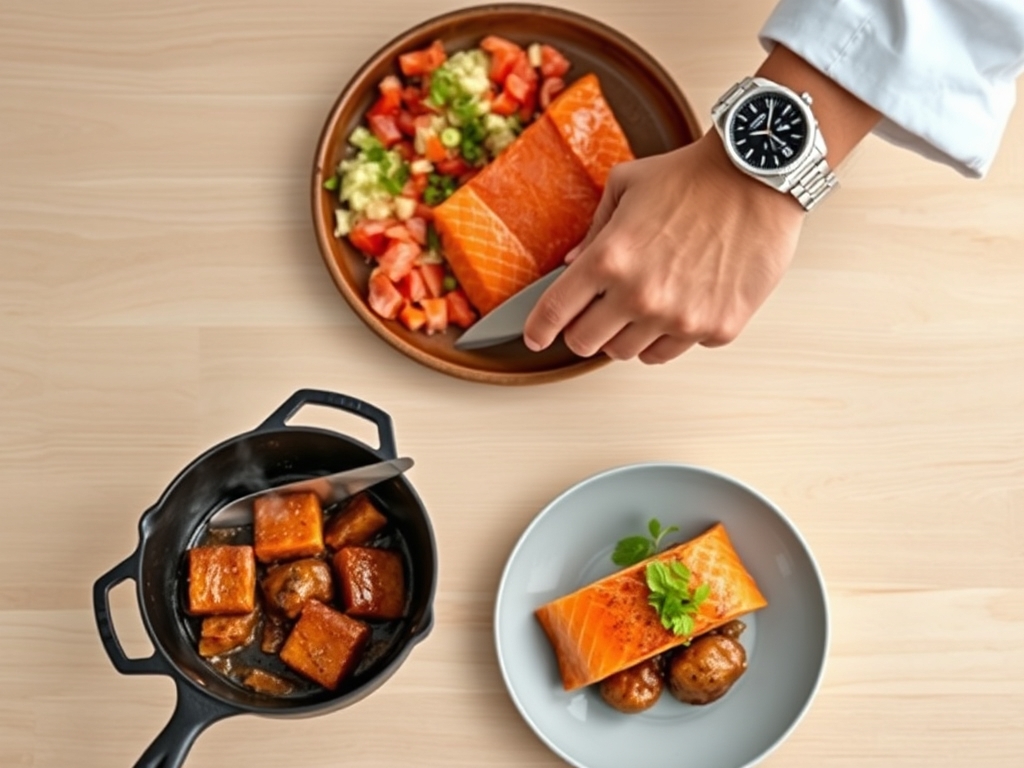
Efficiency in the kitchen is all about "Chef's Flow." This is the psychological state where your movements are optimized to minimize downtime. For these lunch hacks, the clock starts with the "Drain and Prep" phase (3 minutes). While your salmon aerates in a mesh strainer, you should be performing your knife work. Use a sharp chef's knife to achieve a fine brunoise on your vegetables.
The "Assembly and Emulsification" phase takes another 5 minutes. This is where you build your flavor base. Finally, the "Finish and Plate" phase (7 minutes) involves any heat application, such as searing cakes in a heavy-bottomed skillet or toasting sourdough. By the time the timer hits fifteen minutes, you have a meal that is nutritionally complete and aesthetically professional. The key is to never let the pan sit empty; while the salmon sears, you are whisking your side dressing.
The Masterclass: 9 Hacks for Perfection
1. The Aeration Drain
Do not just dump the tin into a bowl. Place the salmon in a fine-mesh sieve for two minutes. This allows excess brine to escape, preventing a soggy final product.
Pro Tip: This prevents hydrolysis, where excess water breaks down the protein fibers and turns your salmon into a paste rather than distinct, meaty flakes.
2. The Microplane Zest Infusion
Zest a full lemon directly over the dry salmon before adding any fats. The essential oils in the zest are fat-soluble and will permeate the fish more effectively once the mayo or oil is added.
Pro Tip: This is an example of lipid-based flavor extraction; the oils from the citrus rind bond with the salmon's natural fats for a longer-lasting flavor profile.
3. The Maillard Sear
When making salmon patties, press them firmly and chill for five minutes. Sear them in a shimmering heavy-bottomed skillet with high-smoke-point oil.
Pro Tip: The Maillard reaction occurs at 285 degrees Fahrenheit. Chilling the patty ensures the exterior browns deeply before the interior overcooks and loses its moisture.
4. The Cold-Emulsion Binder
Whisk your mayo, Dijon, and lemon juice in a separate small saucier or bowl before folding it into the fish.
Pro Tip: Creating a stable emulsion first ensures that the dressing coats the salmon evenly without breaking into an oily mess when it hits the room-temperature fish.
5. The Umami Booster
Add a teaspoon of white miso paste or a dash of fish sauce to your salmon mix. It deepens the "sea" flavor without adding "fishiness."
Pro Tip: This utilizes synergistic umami, where the glutamates in the miso enhance the natural inosinates in the red salmon for a massive savory explosion.
6. The Bench Scraper Fold
Use a bench scraper or a wide silicone spatula to fold your ingredients together. Do not stir vigorously.
Pro Tip: This preserves the muscle lamellae (the flakes) of the salmon. Over-mixing shears the proteins, resulting in a dense, unappealing texture.
7. The Acidic Maceration
If using red onions, soak the diced pieces in ice water or vinegar for five minutes before adding them to the salmon.
Pro Tip: This process neutralizes allicin, the compound responsible for that harsh, lingering onion breath, leaving only the crisp texture and sweetness behind.
8. The Residual Heat Rest
If you are pan-searing your salmon cakes, remove them from the heat when they are just slightly underdone in the center.
Pro Tip: Thermal carryover will continue to cook the interior for several minutes. This prevents the salmon from becoming dry and chalky as it sits on the plate.
9. The Parchment Press
When making a salmon melt, place a piece of parchment paper over the sandwich and weight it down with a second heavy pan.
Pro Tip: This creates conductive heat transfer from both sides, ensuring the cheese melts rapidly while the bread reaches a uniform, golden-brown crunch.
The Deep Dive
From a macro perspective, red salmon is a powerhouse. A single tin usually provides around 35 to 40 grams of high-quality protein and is packed with Omega-3 fatty acids. For those following specific diets, these hacks are easily adaptable. Keto followers can swap bread for large butter lettuce cups or avocado halves. Vegan friends can mimic the texture using mashed chickpeas and nori flakes, though the nutritional profile will shift. For Gluten-Free needs, use almond flour or crushed gluten-free crackers as a binder in your patties.
Even the best chefs run into trouble. If your salmon mix is too wet, do not panic; add a tablespoon of coconut flour or panko to absorb the excess moisture. If the flavor is flat, it almost always needs more acid (lemon) or salt, not more mayo. If your patties are falling apart in the pan, they likely need more chill time to allow the proteins to bind.
For meal prep, the science of reheating is vital. To maintain "day-one" quality, avoid the microwave. Reheat salmon cakes in a toaster oven or air fryer at 325 degrees. This uses convection heat to crisp the exterior without vibrating the water molecules inside the fish, which prevents that "rubbery" texture often associated with reheated seafood.
The Wrap-Up
Mastering tin red salmon recipes is about respecting the ingredient. By treating this shelf-stable protein with the same technical rigor you would apply to a fresh fillet, you unlock a world of sophisticated, high-protein lunches. Remember to focus on your emulsions, respect the Maillard reaction, and always, always zest your citrus. You are now equipped to turn a simple tin into a culinary masterpiece. Go forth and cook with confidence; your lunch hour just got a serious promotion.
The Kitchen Table
How do I make canned salmon taste less fishy?
Drain the salmon thoroughly and remove any skin or bones. Mix in high-acid components like lemon juice, capers, or pickled red onions. These acidic molecules bind to the "fishy" amines, neutralizing the scent and brightening the overall flavor profile.
Can I use pink salmon instead of red salmon?
Yes, but red salmon has a higher fat content and firmer texture. Pink salmon is leaner and milder; if using it, you may need to add a bit more healthy fat, like avocado oil, to achieve the same luxurious mouthfeel.
Is the liquid in the salmon tin safe to use?
Absolutely. That liquid is essentially a concentrated salmon stock. You can whisk a tablespoon of it into a vinaigrette or use it to deglaze a pan for a quick pan-sauce to boost the oceanic depth of your dish.
How long does a salmon salad stay fresh in the fridge?
When stored in an airtight glass container, your prepared salmon will stay fresh for up to three days. The acid from the lemon acts as a mild preservative, but for the best texture, consume it within forty-eight hours.