
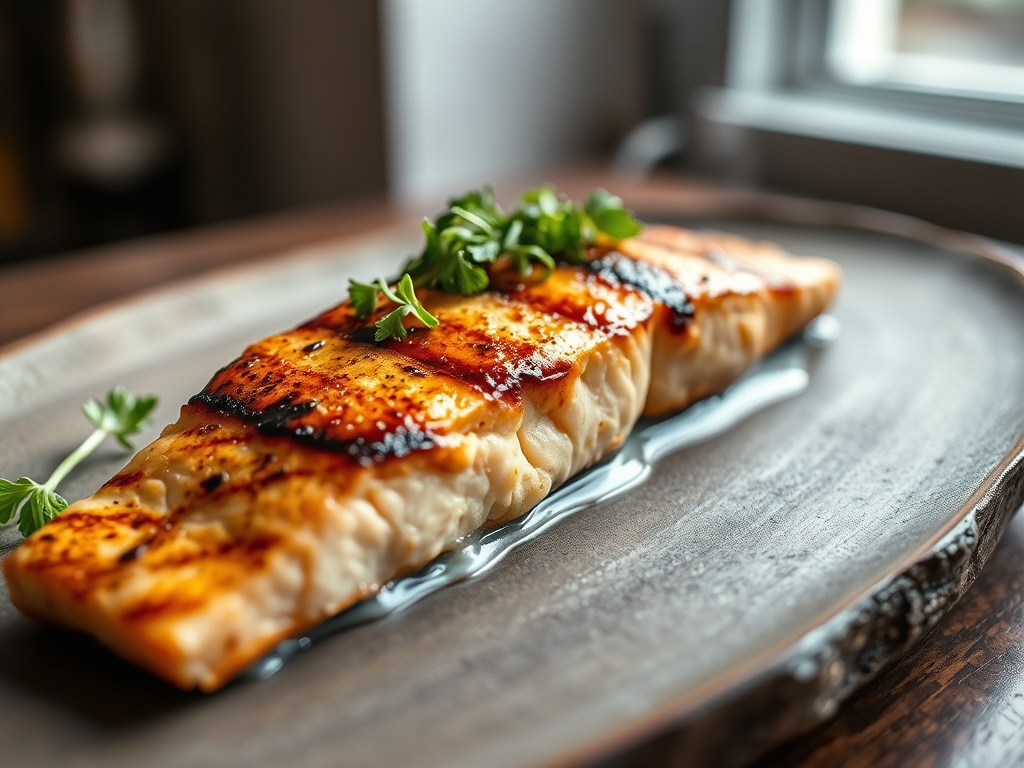
Picture the scent of a Pacific Northwest forest colliding with the sharp, salty tang of the ocean. That is the magic of the grill. When you master grilled cedar plank salmon recipes, you are not just cooking dinner; you are conducting a high stakes symphony of wood, fire, and fat. The smoke acts as a seasoning, turning a simple fillet into a masterpiece of texture.
We are diving into the molecular mechanics of why this works. It is more than just a piece of wood. It is a moisture delivery system and an aromatic shield. If you have ever struggled with dry, chalky fish, consider this your culinary redemption arc. We are going to harness the power of thermal conductivity to ensure every bite is buttery, translucent, and deeply infused with that signature evergreen essence.
The Gathers:
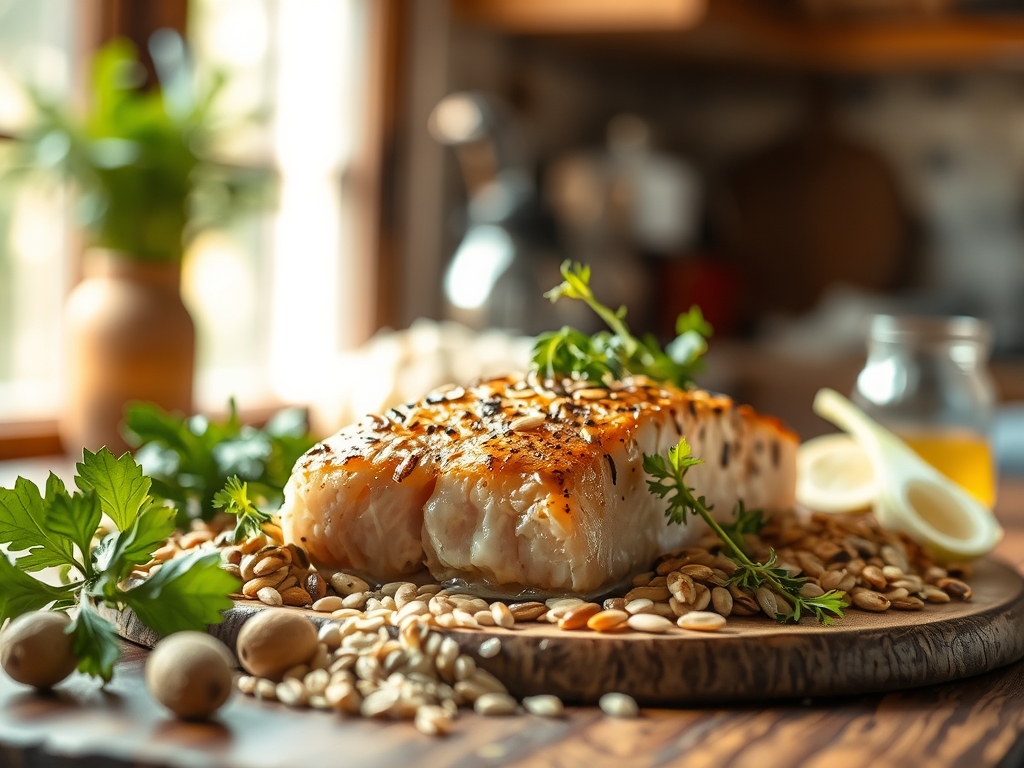
To begin, we need a pristine side of salmon. Look for King or Sockeye variety. The high lipid content is essential for a viscous mouthfeel. You will need food grade cedar planks, untreated and raw. For the glaze, gather high quality maple syrup, Dijon mustard for its emulsifying properties, and fresh rosemary.
Your tool kit is vital. Grab your microplane for zesting, a digital scale to measure your glaze components for consistency, and a pair of sturdy tongs. Do not forget a saucier to gently warm your glaze, ensuring the sugars are fully dissolved and ready to coat the proteins.
Smart Substitutions:
If you cannot find cedar, alder wood offers a sweeter, milder profile. No maple syrup? Use honey or agave, but keep in mind that honey has a lower burning point due to its fructose levels. If you are avoiding mustard, a touch of miso paste provides that same piquant punch and helps create a stable emulsion with your fats.
The Clock
Efficiency in the kitchen is all about the Chef's Flow. This process requires 2 hours of passive time and about 25 minutes of active engagement.
- The Soak (90 to 120 minutes): This is non negotiable. You are saturating the wood fibers to prevent combustion and encourage steam.
- The Prep (15 minutes): While the planks soak, you will portion the fish and whisk the glaze.
- The Fire (20 minutes): This includes the preheat and the actual cook time.
The goal is to align your tasks so that the grill reaches its target temperature of 400 degrees Fahrenheit just as your planks have finished their deep soak. This prevents the wood from drying out on the counter before it hits the grates.
The Masterclass
1. Saturate the Medium
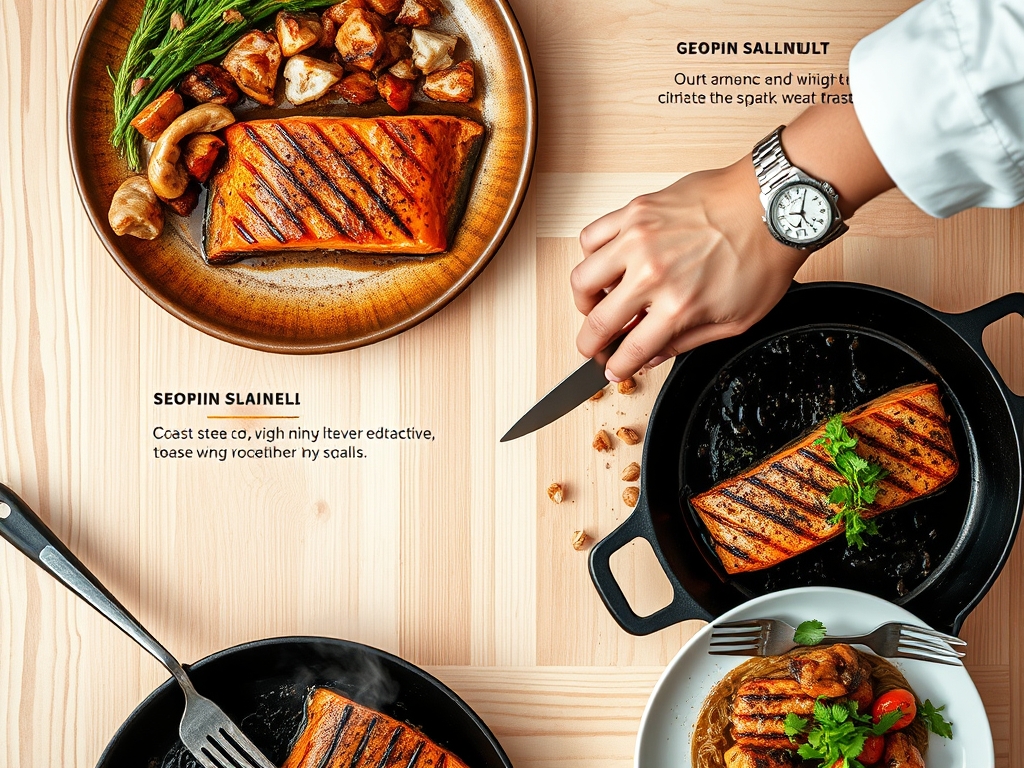
Submerge your cedar planks in salted water. Use a heavy object, like a heavy-bottomed skillet, to keep them fully underwater. This ensures the wood absorbs maximum moisture.
Pro Tip: This is about thermal mass. A wet plank creates a localized humid environment. This steam prevents the salmon proteins from tightening too quickly, which would otherwise squeeze out the albumin (that unappealing white liquid).
2. Temper the Protein
Remove your salmon from the refrigerator 20 minutes before cooking. Pat the skin bone dry with paper towels. Use a bench scraper to move your portions cleanly without tearing the delicate flesh.
Pro Tip: This allows for thermal equilibrium. If you put ice cold fish on a hot plank, the exterior overcooks before the center reaches safety. Tempering ensures a uniform heat gradient throughout the fillet.
3. The Emulsified Glaze
In your saucier, whisk together maple syrup, Dijon, and minced garlic over low heat. You want to infuse the syrup with the aromatics without boiling it.
Pro Tip: The mustard acts as a natural emulsifier. It bridges the gap between the water based syrup and the natural oils in the fish. This creates a cohesive coating that clings to the salmon rather than sliding off into the grill.
4. Toast the Plank
Place the wet planks on the grill grates for 3 minutes before adding the fish. Close the lid. You are looking for a slight crackling sound and a hint of smoke.
Pro Tip: This initiates the pyrolysis of the wood. By pre heating the plank, you start the release of essential oils like thujone. This ensures the smoke flavor penetrates the bottom of the fish immediately.
5. The Controlled Sear
Place the salmon on the toasted side of the plank. Brush generously with your glaze. Close the grill lid to create a convection oven effect.
Pro Tip: We are aiming for the Maillard reaction on the surface. While the wood protects the bottom from direct heat, the ambient heat of the grill caramelizes the sugars in the glaze, creating complex flavor compounds.
6. The Rest and Carryover
Remove the entire plank from the grill when the internal temperature hits 130 degrees Fahrenheit. Let it sit for five minutes.
Pro Tip: This utilizes thermal carryover. The heat stored in the thick plank will continue to cook the fish, bringing it to a perfect 135 to 140 degrees. Resting also allows the muscle fibers to relax and reabsorb their juices.
The Deep Dive
From a nutritional standpoint, this is a powerhouse meal. A standard 6 ounce serving provides roughly 34 grams of high quality protein and is rich in Omega 3 fatty acids. By using the plank method, you reduce the need for excess added fats, keeping the calorie count around 350 to 400 depending on your glaze density.
Dietary Swaps:
For a Keto version, swap the maple syrup for a monk fruit sweetener and a drop of liquid smoke. Vegan friends can use this exact wood plank method for thick slabs of cauliflower or firm tofu. It is naturally Gluten Free, provided your mustard does not contain flour thickeners.
The Fix-It:
- The Plank Catches Fire: Keep a spray bottle of water nearby. This happens if the wood was not soaked long enough. Spritz the edges, not the fish.
- Albumin Leakage: If you see white streaks, your heat is too high. Move the plank to a cooler zone of the grill.
- Stuck Skin: If the fish clings to the wood, you likely skipped the "toasting" phase or the wood was too dry. Use a thin metal spatula to gently release it.
Meal Prep:
To reheat, avoid the microwave. It turns salmon into rubber. Instead, wrap the leftover fillet in foil with a teaspoon of water and heat in a 300 degree oven. This rehydrates the proteins and maintains that flaky texture.
The Wrap-Up
You are now officially the master of the flame. Using these grilled cedar plank salmon recipes transforms a standard Tuesday night into a high end culinary event. Remember that cooking is as much about physics as it is about flavor. By controlling the moisture of the wood and the temperature of the protein, you have unlocked a level of flavor that most restaurants cannot replicate. Now, grab those tongs and go show that grill who is boss.
The Kitchen Table
How long should I soak the cedar planks?
Soak your planks for at least 90 minutes to 2 hours. This prevents the wood from burning and ensures enough steam is created to keep the salmon moist during the high heat grilling process.
Can I reuse cedar planks?
If the plank is not heavily charred, you can scrub it with hot water (no soap) and reuse it once. However, for the best flavor and hygiene, using a fresh plank for each session is highly recommended.
What is the best grill temperature for salmon?
Aim for a consistent medium heat between 375 and 400 degrees Fahrenheit. This temperature allows the wood to smoke effectively while cooking the fish through without burning the sugar based glazes on top.
Do I need to flip the salmon on the plank?
No flipping is required. The cedar plank acts as a heat shield and a cooking surface. The grill lid should remain closed to create a convection environment that cooks the top of the fish simultaneously.
How do I know when the salmon is done?
The most reliable method is using a digital thermometer. Remove the salmon when it reaches an internal temperature of 130 degrees Fahrenheit. Carryover heat from the plank will finish the cooking process perfectly during the rest.