
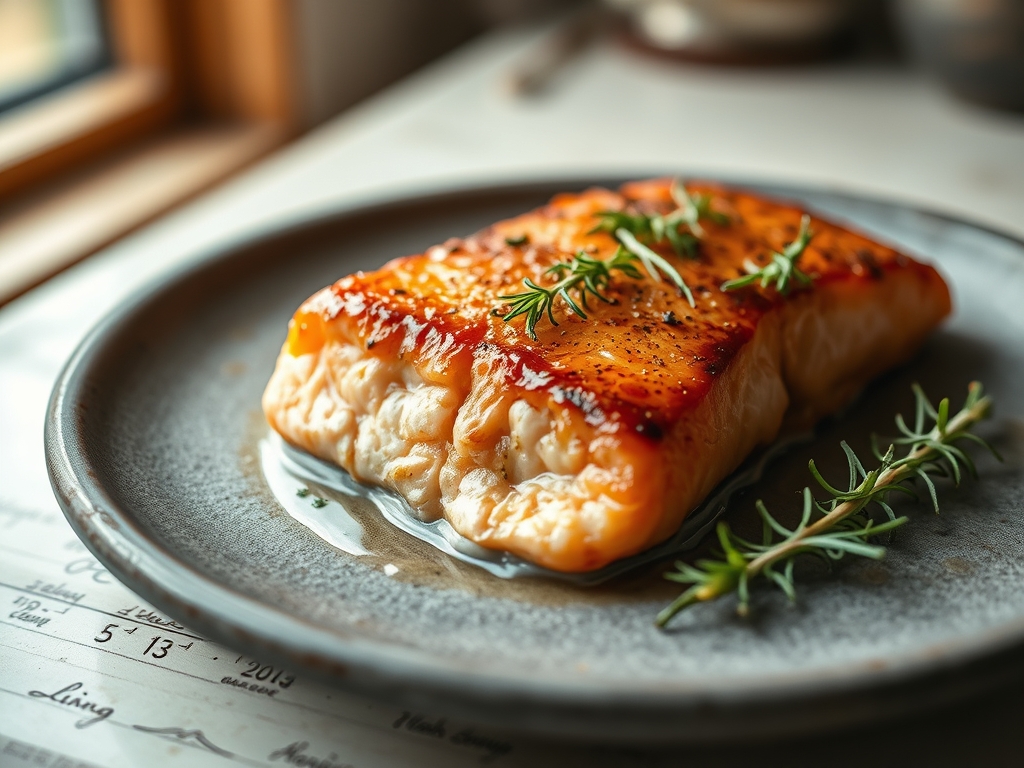
Picture the scene. Outside, the frost is creeping across the glass in crystalline fractals, but inside, your kitchen is a sanctuary of warmth and aromatic steam. When the temperature drops, we crave more than just sustenance; we need heavy-hitting nutrients and soul-warming textures. This is why mastering salmon recipes for winter is the ultimate culinary power move for the season. We are moving away from the light, citrusy crudos of July and leaning into the rich, umami-heavy roasts that define cold-weather comfort. Think of salmon as the perfect canvas for deep glazes, woody herbs, and the kind of crispy skin that shatters like parchment under a fork.
There is a specific joy in the way a thick fillet of King or Sockeye responds to a high-heat roast. As the fat renders, it bastes the flesh from within, creating a succulent contrast to the winter chill. Whether you are hosting a festive dinner party or just trying to survive a Tuesday in January, these seven roasting variations will become your cold-weather manifesto. We are going to talk about the Maillard reaction, the physics of heat transfer, and how to use your oven as a precision tool for perfection. Grab your apron; we are about to turn your kitchen into the warmest spot in the house.
The Gathers:
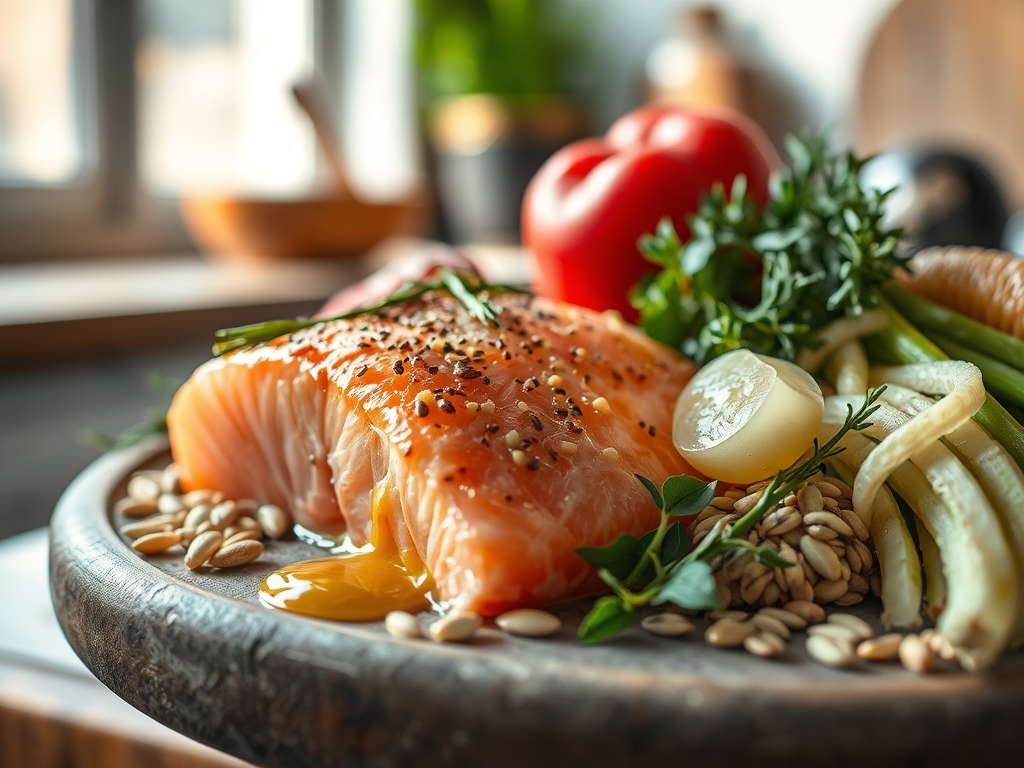
To execute these salmon recipes for winter, your mise-en-place must be intentional. We are looking for ingredients that offer high viscosity and piquant profiles to stand up to the oily richness of the fish. You will need high-quality Atlantic or wild-caught fillets, preferably center-cut for uniform thickness. For your aromatics, gather fresh rosemary, thyme, and sage; these woody herbs contain essential oils that infuse more deeply when subjected to sustained oven heat.
Your pantry staples should include a high-smoke-point oil like avocado oil, coarse kosher salt for moisture extraction, and a variety of glazes. We will be using maple syrup, miso paste, and balsamic reductions to achieve that deep, caramelized exterior. For the hardware, ensure your microplane is sharp for zesting ginger and garlic, and keep a saucier nearby for emulsifying your pan sauces.
Smart Substitutions:
If you cannot find fresh pomegranate seeds for a festive garnish, dried barberries or even a splash of high-quality cranberry juice in your reduction will provide that necessary acid. For those avoiding honey or maple, a brown butter and toasted walnut crust offers the same depth without the glycemic load. If you are out of fresh herbs, remember that dried herbs are more potent; use a one-to-three ratio to avoid overpowering the delicate proteins.
The Clock
Efficiency in the kitchen is about understanding the "Chef's Flow." For these roasts, the active prep time is roughly 15 minutes, while the roasting period fluctuates between 12 and 18 minutes depending on the thickness of the cut. The secret variable is the rest time. You must allow for a 5-minute rest period post-roast to allow the internal juices to redistribute. Total time from fridge to table is approximately 35 minutes. By prepping your side dishes (like a quick wilted kale or roasted root vegetables) while the oven preheats, you ensure everything hits the table at the optimal temperature.
The Masterclass
1. Tempering and Surface Prep
Remove your salmon from the refrigerator 20 minutes before cooking. Use a paper towel to pat the surface bone-dry. Moisture is the enemy of the Maillard reaction; if the surface is wet, the fish will steam rather than sear. Use a digital scale to ensure your fillets are roughly the same weight for even cooking.
Pro Tip: This process is called tempering. By bringing the protein closer to room temperature, you reduce the thermal shock when it hits the heat, ensuring the exterior does not overcook before the center reaches the target temperature.
2. The Seasoning Foundation
Generously season with kosher salt from a height of about 12 inches. This ensures an even distribution of granules. Do not add pepper yet; black pepper can turn bitter and acrid under the high heat of a winter roast. Save the cracked pepper for the finishing touch.
Pro Tip: Salt acts as a denaturant. It begins to break down the tightly wound protein strands on the surface, allowing them to trap more moisture during the cooking process, resulting in a juicier flake.
3. The High-Heat Sear
Place a heavy-bottomed skillet or roasting pan in the oven while it preheats to 425 degrees Fahrenheit. Once hot, add a thin layer of oil. Carefully lay the salmon skin-side down. You should hear an immediate, aggressive sizzle.
Pro Tip: This is the Leidenfrost effect in action. The vapor barrier created by the moisture leaving the fish prevents it from sticking to the metal, provided the pan is sufficiently hot before contact.
4. Application of Glazes
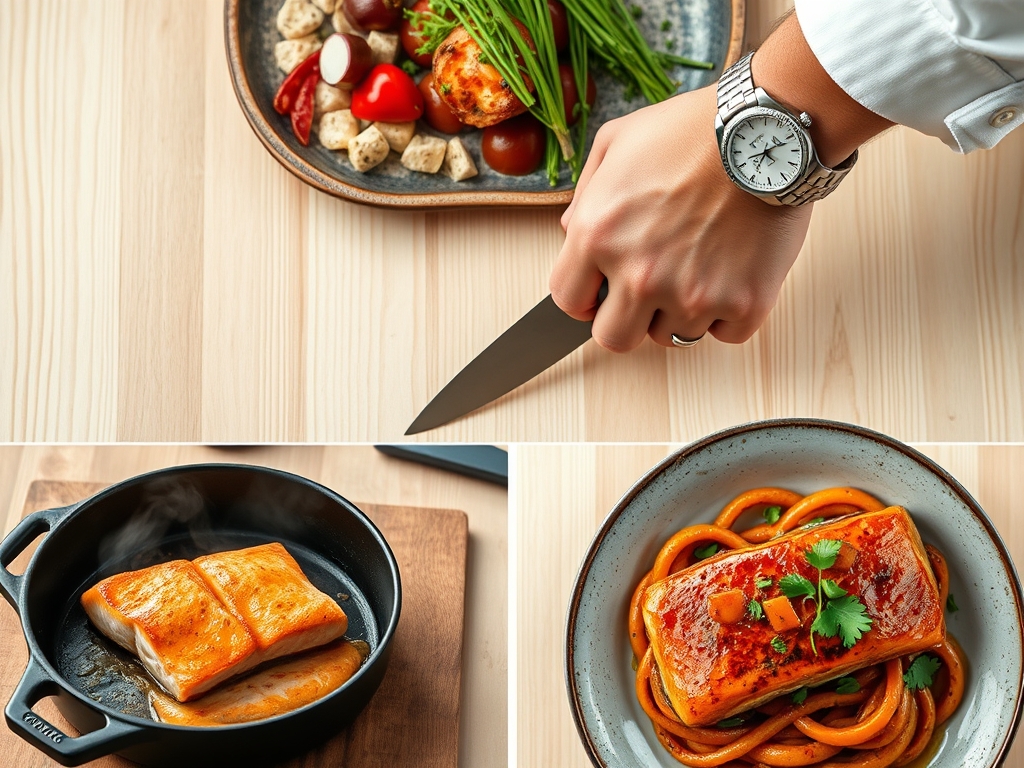
Halfway through the roasting process, use a silicone brush to apply your chosen winter glaze (like a miso-maple or a balsamic-fig). This timing allows the sugars to caramelize without burning. Note the texture changes in the step-by-step photos below as the glaze becomes viscous and tacky.
Pro Tip: The Maillard reaction accelerates in the presence of added sugars. By waiting until the midpoint, you ensure the fish is cooked through while the glaze reaches the perfect stage of browning without carbonizing.
5. The Aromatics Infusion
Throw your woody herbs and a knob of cold butter into the pan during the last three minutes. Use a large spoon to baste the hot, flavored fat over the fillets. This adds a final layer of aromatic complexity that defines high-end salmon recipes for winter.
Pro Tip: Butter contains milk solids that undergo enzymatic browning, creating a nutty aroma (beurre noisette) that perfectly complements the earthy notes of winter herbs like sage and rosemary.
6. Monitoring Internal Temperature
Use an instant-read thermometer to check the thickest part of the fillet. You are looking for 125 degrees Fahrenheit for medium-rare or 135 degrees for medium. Remember that the temperature will rise by about 5 degrees after you remove it from the heat.
Pro Tip: This is known as thermal carryover. The residual heat on the surface continues to move toward the center even after the heat source is removed. Pulling the fish early prevents the dreaded "chalky" texture of overcooked salmon.
7. The Rest and Finish
Transfer the salmon to a warm plate using tongs or a fish spatula. Let it rest for five minutes. This is the time to add your fresh garnishes like lemon zest, microgreens, or toasted nuts.
Pro Tip: Resting allows the muscle fibers to relax. During cooking, they contract and push juice toward the center. Resting allows those juices to move back toward the edges, ensuring every bite is equally moist.
The Deep Dive
From a macro nutrition perspective, salmon is a winter powerhouse. It is loaded with Vitamin D, which is essential during months with limited sunlight, and Omega-3 fatty acids that support brain health and combat seasonal inflammation.
Dietary Swaps:
For a Keto version, swap the honey or maple syrup in glazes for a monk fruit sweetener or simply stick to a garlic-herb butter rub. Vegan guests can enjoy the same flavor profiles by using the glazes on thick "steaks" of roasted cauliflower or firm tofu. All these recipes are naturally Gluten-Free, provided you use tamari instead of standard soy sauce in any Asian-inspired glazes.
The Fix-It:
- White Gunk (Albumin): If you see white streaks, you cooked the fish too fast or too high. Fix it by masking with a garnish or reduction; next time, brine the fish in salt water for 10 minutes first.
- Soggy Skin: The pan wasn't hot enough or the skin wasn't dry. Fix it by carefully removing the skin and crisping it separately in a dry pan like a cracker.
- Stuck Fillet: You tried to flip it too soon. Fix it by sliding a bench scraper or thin spatula firmly under the skin; next time, wait for the protein to "release" naturally from the pan.
Meal Prep:
To reheat salmon without losing quality, avoid the microwave. Instead, place it in a 275-degree oven with a splash of water and cover it with foil. This creates a gentle steam environment that rehydrates the proteins without overcooking them.
The Wrap-Up
Mastering salmon recipes for winter is about more than just a meal; it is about embracing the science of heat and the luxury of seasonal flavors. By focusing on surface moisture, thermal carryover, and the strategic application of glazes, you elevate a simple fillet into a centerpiece. These techniques ensure that your kitchen remains a hub of culinary excellence all season long. Now, get that oven preheated and let the roasting begin.
The Kitchen Table
How do I prevent salmon from smelling fishy?
Always buy high-quality, fresh fish and rinse it with cold water, then pat dry. The "fishy" smell comes from Trimethylamine (TMA) being released; a quick soak in milk or a splash of lemon juice can neutralize these odors effectively.
Can I roast salmon from frozen?
Yes, but for the best results, use the "low and slow" method at 300 degrees. This prevents the outside from becoming tough while the inside thaws. However, thawing overnight in the refrigerator is always the superior choice for texture.
What is the best way to get crispy skin?
Ensure the skin is bone-dry and the pan is shimmering hot before adding the fish. Press down firmly with a spatula for the first 30 seconds to ensure full surface contact, which prevents the skin from curling away from the heat.
How long does cooked salmon last in the fridge?
Cooked salmon remains at peak quality for three days when stored in an airtight container. For the best flavor, store it separately from any high-moisture sides like salads or sauces to prevent the texture from becoming mushy.