
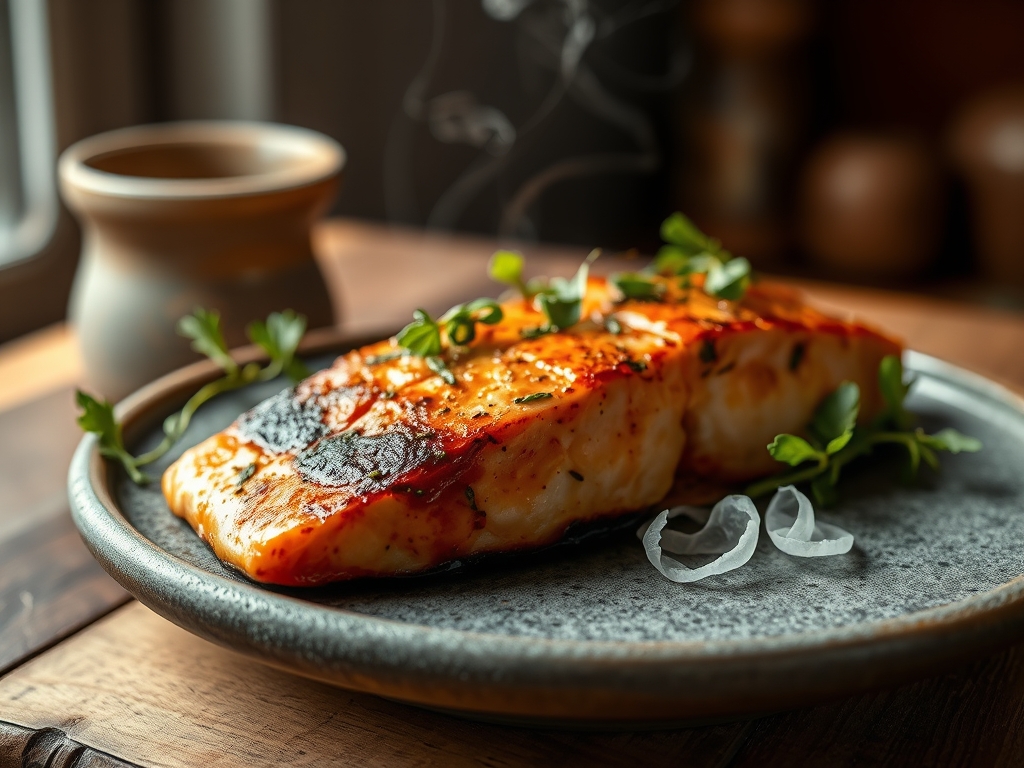
Picture this: the sun is dipping below the horizon, the air is thick with the scent of smoldering hickory, and you are standing over a grate that is humming with heat. There is a specific kind of magic that happens when cold, fatty Atlantic fillets meet the aggressive sear of a live fire. If you have been searching for barbeque salmon recipes that actually deliver a crispy skin without sacrificing that buttery, translucent center, you have officially arrived at the right place. We are moving beyond basic grilling and into the realm of molecular mastery. We are talking about the delicate dance between smoke infusion and moisture retention. Salmon is a high-fat, high-protein canvas that requires a gentle hand but a firm heat source. Today, we are going to break down the physics of the grill to ensure your next backyard gathering feels more like a five-star coastal bistro than a frantic flip-and-pray situation. Grab your apron; we are about to turn you into the neighborhood pitmaster.
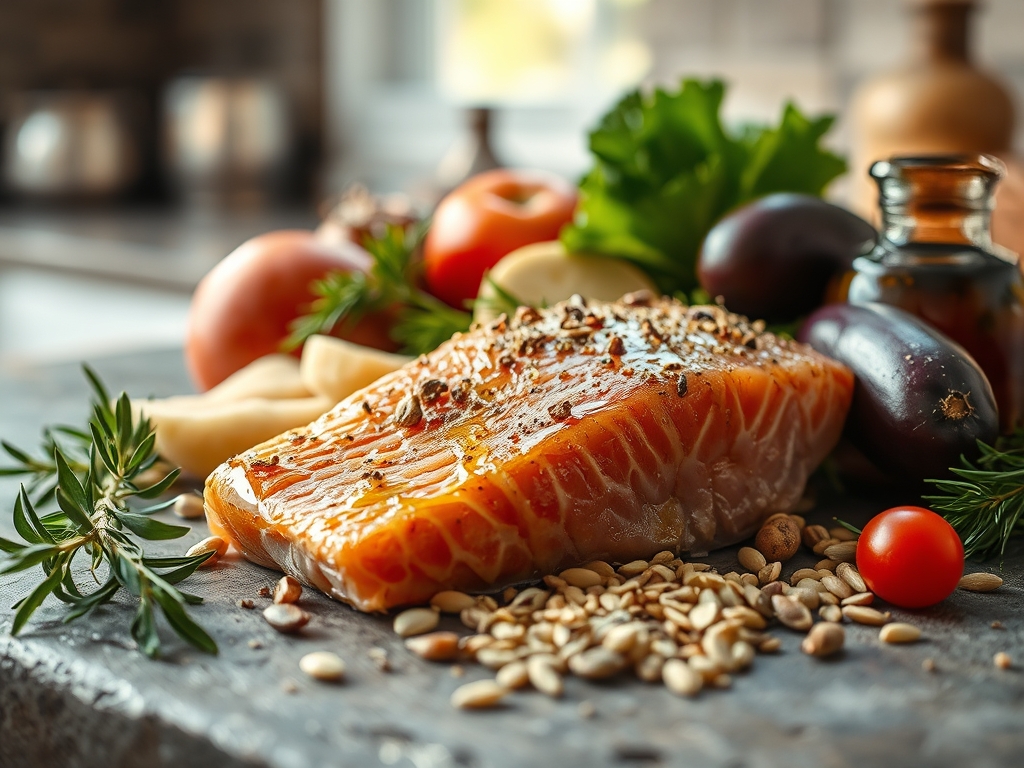
The Gathers:
Before we even ignite the charcoal, we must curate our mise-en-place with the precision of a chemist. The star of the show is a side of fresh-caught salmon, preferably King or Sockeye for their superior lipid content. You will need a viscous glaze base; I recommend a combination of dark amber maple syrup and fermented soy sauce to provide both sugar for caramelization and salt for protein denaturation. For the aromatics, gather fresh ginger and garlic, which we will process using a microplane to create a fine paste that integrates seamlessly into the liquid.
You also need a high-smoke-point oil, such as avocado or grapeseed oil, to coat the grates. Do not use extra virgin olive oil here; its low smoke point will result in a bitter, acrid flavor when exposed to direct flame. For the dry rub, we want a piquant blend of smoked paprika, toasted cumin, and coarse sea salt.
Smart Substitutions:
If you are avoiding refined sugars, a high-quality date syrup offers a similar viscosity and deep caramel notes. For those with soy allergies, liquid aminos or coconut aminos provide that essential umami punch without the allergens. If fresh ginger is unavailable, a dash of galangal paste adds an even more complex, citrusy heat to the profile.
The Clock
Efficiency in the kitchen is all about the Chef's Flow. This is the art of overlapping tasks so that no heat is wasted and no protein sits idle. Your total active time is roughly 20 minutes, with a 15-minute passive marination window.
- The Prep (15 Minutes): This involves portioning the fish with a sharp bench scraper or chef's knife and whisking the glaze in a small saucier.
- The Chill (15 Minutes): Let the salmon sit with its dry rub at room temperature. This allows the salt to penetrate the muscle fibers.
- The Fire (10 Minutes): Preheating the grill is non-negotiable. You need those grates screaming hot to prevent sticking.
- The Sear (8-12 Minutes): Actual cook time depends on the thickness of the fillet, usually 4 to 6 minutes per side.
- The Rest (5 Minutes): Essential for juice redistribution.
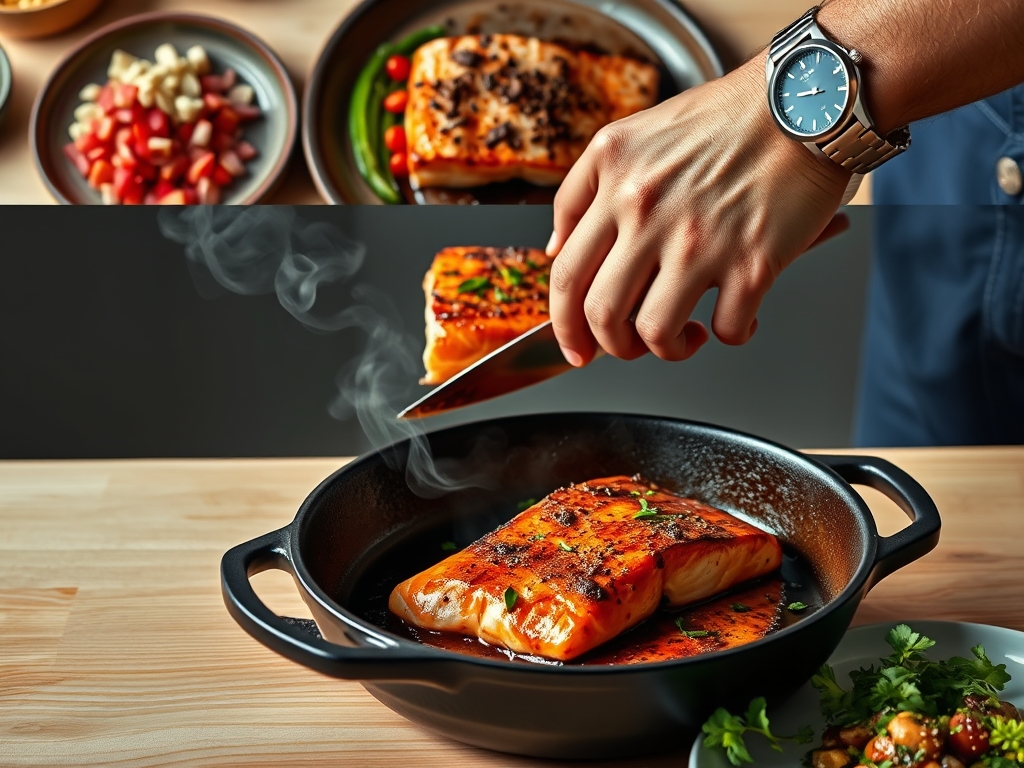
The Masterclass
1. The Surface Preparation
Dry your salmon religiously using paper towels. Moisture is the enemy of the Maillard reaction. If the surface is damp, the heat of the grill will spend its energy evaporating water rather than browning the proteins.
Pro Tip: This is known as evaporative cooling. By removing surface moisture, you allow the temperature to rise rapidly above 285 degrees Fahrenheit, which is the threshold for complex flavor development.
2. The Oil Barrier
Apply a thin layer of oil to both the fish and the grill grates. Use a silicone brush or a folded paper towel held by tongs to lubricate the metal.
Pro Tip: This creates a hydrophobic barrier. Since fish proteins are highly prone to bonding with metal oxides on the grill, the oil acts as a sacrificial layer that prevents the "tearing" of the delicate skin.
3. The Initial Sear
Place the salmon skin-side down first. Do not move it. Let the heat render the subcutaneous fat, which essentially fries the skin from the bottom up.
Pro Tip: This is the Leidenfrost effect in action. A layer of steam forms between the fish and the grate, momentarily levitating the protein and preventing a permanent bond if the heat is high enough.
4. The Glaze Application
Only apply your sugar-based glaze during the final three minutes of cooking. Use a small saucier to keep the glaze warm before brushing it on.
Pro Tip: Sugars undergo pyrolysis (burning) quickly. By waiting until the end, you achieve a tacky, lacquered finish without the bitter carbonization that occurs during long exposures to flame.
5. The Internal Check
Use a digital scale or, more accurately, a digital instant-read thermometer to pull the fish at 125 degrees Fahrenheit for medium-rare.
Pro Tip: Thermal carryover will cause the internal temperature to rise another 5 to 7 degrees while the fish rests. Pulling it early ensures the albumin (the white protein) doesn't squeeze out, leaving the fish dry.
6. The Smoke Infusion
If using a gas grill, place a foil packet of soaked wood chips over the primary burner. For charcoal, drop a few chunks of alder wood directly onto the coals.
Pro Tip: Smoke particles adhere best to cold, tacky surfaces. This is why we don't let the fish sit in the sun before grilling; the "pellicle" (the thin, sticky layer on the fish) traps the smoke molecules more effectively.
7. The Flip Technique
Use a wide fish spatula to gently roll the fillet over. If it resists, it is not ready to flip.
Pro Tip: The protein will naturally release from the grate once the carbonization of the surface is complete. This is a physical signal that the structural integrity of the sear is locked in.
8. The Acid Finish
Squeeze fresh lemon or lime juice over the fillets the second they leave the grill.
Pro Tip: The acid cuts through the heavy lipids and brightens the flavor profile by stimulating the salivary glands, making the savory notes of the barbeque salmon recipes pop.
9. The Resting Period
Transfer the fish to a warm platter and tent loosely with foil for five minutes.
Pro Tip: During cooking, muscle fibers contract and push moisture toward the center. Resting allows those fibers to relax and reabsorb the juices, ensuring every bite is succulent.
The Deep Dive
Macro Nutrition:
Salmon is a nutritional powerhouse. A 6-ounce portion typically provides 40 grams of high-quality protein and roughly 15 grams of healthy fats, primarily Omega-3 fatty acids (EPA and DHA). It is naturally low in carbohydrates, making it an ideal centerpiece for various lifestyle diets.
Dietary Swaps:
- Vegan: Use the same barbeque glaze on "steaks" of cauliflower or thick-cut firm tofu.
- Keto: Replace maple syrup with monk fruit sweetener or allulose to keep the net carbs near zero.
- GF: Ensure your soy sauce is replaced with certified gluten-free tamari.
The Fix-It:
- Fish is Sticking: Your grill wasn't hot enough. Fix: Slide a thin metal spatula under the fish and wait 60 seconds for the crust to further dehydrate and release.
- White Gunk (Albumin): The heat was too high or you overcooked it. Fix: Scrape it off gently; it is harmless but indicates the muscle fibers contracted too fast.
- Flaring Flames: Fat is dripping onto the coals. Fix: Move the fish to an "indirect" zone of the grill where there are no active flames beneath it.
Meal Prep & Reheating:
To maintain "day-one" quality, do not microwave your leftovers. The high-frequency waves agitate water molecules too violently, toughening the protein. Instead, place the salmon in a shallow dish with a tablespoon of water, cover with foil, and warm in a 275-degree oven for 10 minutes. This re-hydrates the fibers without overcooking the core.
The Wrap-Up
Mastering barbeque salmon recipes is less about luck and more about understanding the chemistry of the flame. By focusing on surface moisture, temperature control, and the timing of your glazes, you can transform a simple fillet into a smoky, caramelized masterpiece. Remember, the grill is an extension of your kitchen; treat it with the same technical respect you would your stovetop. Now, go fire up those coals and show your guests what a real professional-grade salmon looks like!
The Kitchen Table
How do I stop salmon from falling through the grill?
Use a specialized fish spatula and ensure your grates are scrubbed clean. If the fillet is particularly delicate, grill it on a bed of sliced lemons. This creates a natural, flavorful buffer between the protein and the metal.
What is the best wood for smoking salmon?
Alder is the traditional choice for Pacific Northwest style salmon because its smoke is mild and slightly sweet. Fruitwoods like apple or cherry also work beautifully, as they do not overpower the natural richness of the fish oils.
Should I leave the skin on when grilling?
Absolutely. The skin acts as a protective heat shield, preventing the delicate flesh from drying out. Even if you do not plan to eat the skin, it serves as a structural foundation that keeps the fillet intact during the flip.
How can I tell if salmon is done without a thermometer?
Press the center of the fillet with your finger or a fork. If the flakes begin to separate easily along the white fat lines (lamellae), the fish is ready. It should feel firm but still have a slight "give" in the center.