
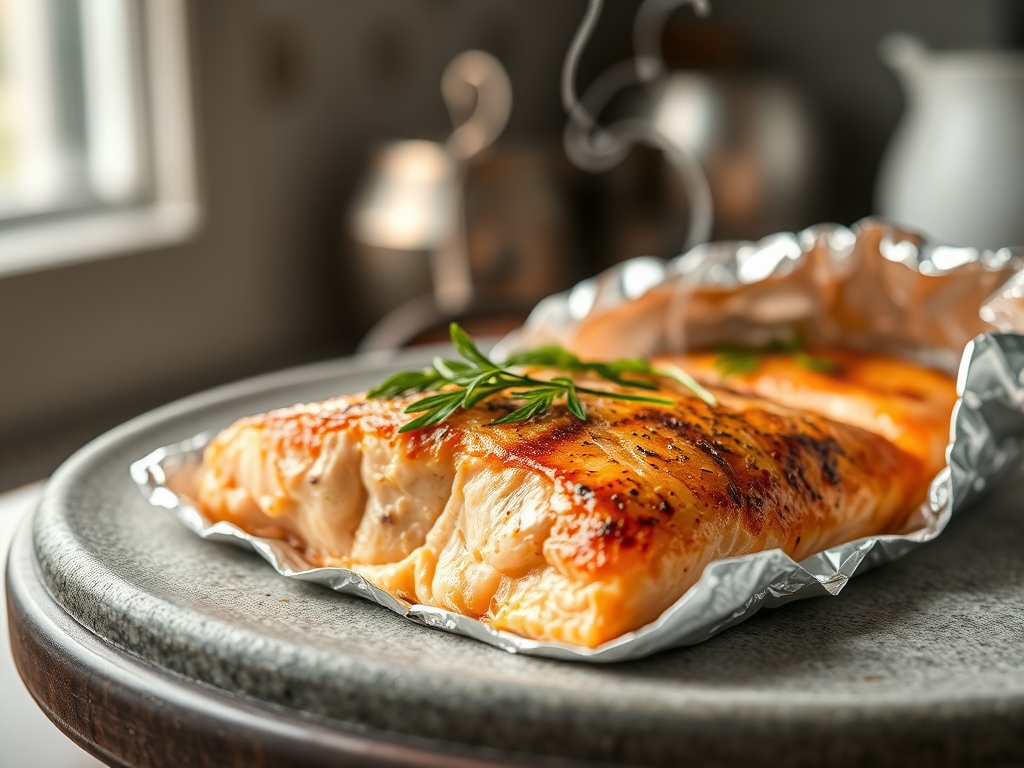
Imagine the sound of a sharp knife slicing through a chilled side of Atlantic salmon; the flesh is firm, vibrant, and begging for a gentle touch. There is a specific kind of magic that happens when you seal fresh fish inside a metallic cocoon. As the heat rises, the moisture trapped inside transforms into a pressurized steam chamber, ensuring your dinner never meets the dry, chalky fate of an overcooked fillet. Mastering foil packet salmon recipes is less about following a rigid script and more about understanding the fluid dynamics of heat and aromatics. We are not just cooking; we are engineering a micro-environment where fats render slowly and acids brighten every fiber. If you have ever struggled with fish sticking to a pan or drying out in the oven, this method is your ultimate redemption arc. We are going to harness the power of conductive heat to create a meal that is buttery, piquant, and effortlessly elegant. Grab your heavy-duty foil and let us dive into the molecular beauty of the perfect steam.
The Gathers:
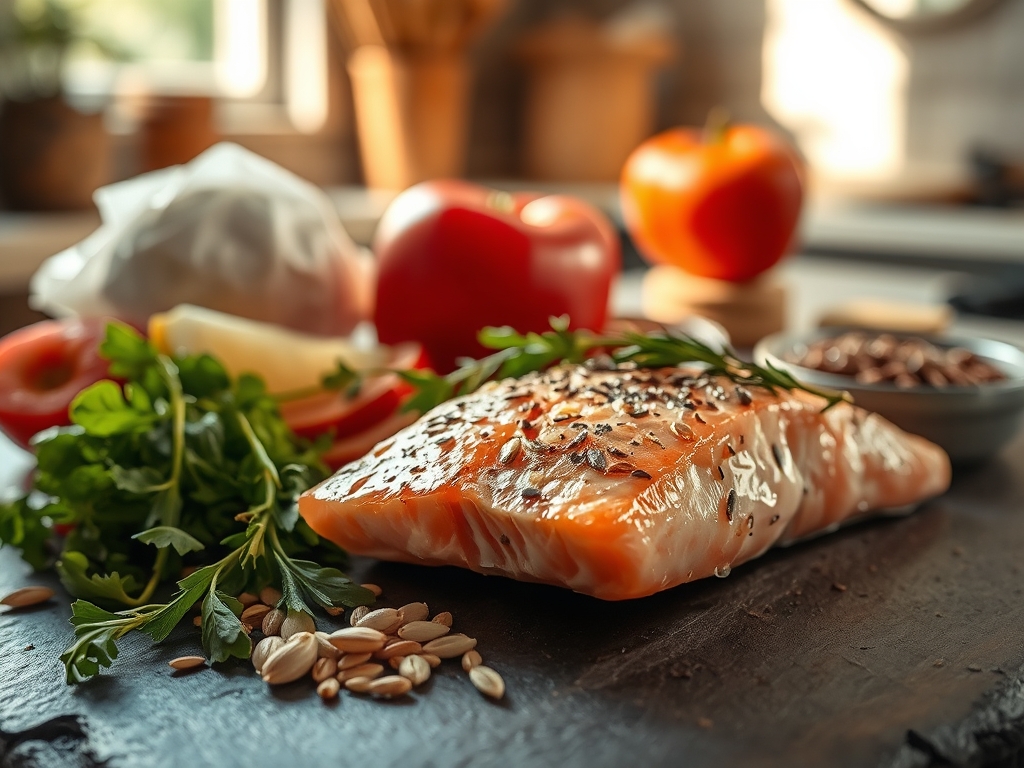
Setting the stage for success requires a meticulous mise-en-place. You will need six to eight ounces of center-cut salmon per person. Look for fillets with high intramuscular fat; this marbling ensures a viscous, silky mouthfeel after the proteins denature. You will also need high-quality fats. Use unsalted European-style butter for its lower water content or a cold-pressed olive oil to provide a fruity finish.
For the aromatic base, gather fresh dill, flat-leaf parsley, and thin rounds of Meyer lemon. The acidity in the lemon acts as a chemical surfactant, breaking down the fish's surface proteins to allow flavors to penetrate deeper. Use a microplane to zest the citrus before slicing; the essential oils trapped in the zest are far more potent than the juice alone. Do not forget the crunch. Thinly sliced asparagus or julienned bell peppers provide a structural contrast to the soft fish.
Smart Substitutions: If you are avoiding dairy, a dollop of white miso paste mixed with a splash of mirin creates a savory, umami-rich lacquer that rivals any butter sauce. If salmon is unavailable, steelhead trout is an excellent biological twin with a slightly milder flavor profile. Always use a digital scale to ensure your portions are uniform, which guarantees that every packet finishes cooking at the exact same second.
The Clock:
Efficiency in the kitchen is all about the "Chef's Flow." Your active prep time should take no more than 10 minutes. This includes slicing your aromatics and prepping the foil squares. The actual cook time ranges from 12 to 15 minutes at 400 degrees Fahrenheit, depending on the thickness of the fillet.
The most critical part of the clock is the five-minute rest period after the packets leave the heat. During this time, the internal temperature continues to rise by three to five degrees. This is known as thermal carryover. If you open the packet immediately, you lose the concentrated steam that keeps the fish succulent. Total time from fridge to table is roughly 30 minutes; a perfect window for a weeknight masterpiece.
The Masterclass:
1. The Foundation Fold
Lay out a large square of heavy-duty aluminum foil. Place a bed of aromatics and vegetables in the center to act as a thermal buffer between the heat source and the delicate fish.
Pro Tip: This buffer prevents the bottom of the salmon from toughening. By elevating the protein, you allow the hot air to circulate entirely around the fillet, ensuring an even cook through convection.
2. Seasoning and Surface Tension
Pat the salmon dry with a paper towel. Rub a generous amount of fat over the surface and season with flaky sea salt and cracked black pepper.
Pro Tip: Removing surface moisture is vital. Even in a steam environment, excess water on the surface can lead to "albumin bleed," those white protein clumps that seep out when fish is stressed by rapid temperature changes.
3. The Acid Layering
Place lemon slices and fresh herbs directly on top of the seasoned fillet. Use your tongs to nestle the ingredients so they do not slide off during the folding process.
Pro Tip: The citric acid in the lemons begins a process called denaturation before the heat even hits. This "cold cooking" helps the flavors infuse into the top layers of the meat.
4. Creating the Hermetic Seal
Bring the edges of the foil together and fold them down tightly, leaving a small pocket of air above the fish. Crimp the sides with precision to ensure no steam escapes.
Pro Tip: The air pocket is essential for pressure regulation. As the moisture inside turns to steam, it needs space to expand. A tight seal mimics the environment of a professional saucier with a fitted lid.
5. The High-Heat Blast
Slide your packets onto a preheated baking sheet. The metal sheet acts as a heat sink, transferring energy quickly to the bottom of the packets.
Pro Tip: Preheating the tray triggers a faster initial rise in internal temperature. This minimizes the time the fish spends in the "danger zone" where texture can become mushy.
6. The Thermal Rest
Remove the packets from the oven using a bench scraper or spatula. Let them sit undisturbed on the counter for five minutes.
Pro Tip: This allows the muscle fibers to relax and reabsorb the juices that were pushed to the surface during cooking. If you cut in too early, those juices will end up on the plate instead of in the fish.
7. The Final Aeration
Carefully unfold the foil, being mindful of the hot steam release. Finish with a squeeze of fresh lemon and a sprinkle of fresh herbs to brighten the fats.
Pro Tip: Fresh herbs added at the end provide "volatile aromatics" that hit the nose before the first bite, enhancing the overall sensory experience.
The Deep Dive:
From a macro perspective, salmon is a nutritional powerhouse. A standard six-ounce serving provides roughly 34 grams of high-quality protein and is rich in Omega-3 fatty acids, which are essential for heart health.
Dietary Swaps: For a Keto-friendly version, double down on the butter and swap the root vegetables for zucchini ribbons. For a Vegan alternative, use a thick "steak" of cauliflower or a block of firm tofu; just ensure you increase the marinating time since these ingredients lack the natural fats of salmon.
The Fix-It:
- The Fish is Mushy: You likely added too much liquid or over-steamed it. Next time, reduce the lemon juice inside the packet and rely on the zest for flavor.
- The Bottom is Burnt: Your oven's bottom heating element might be too aggressive. Move the baking sheet to a higher rack.
- Albumin Bleed (White Spots): The heat was too high too fast. Lower the oven to 375 degrees Fahrenheit for a gentler cook.
Meal Prep: To reheat, do not use the microwave. It agitates water molecules too violently, making the fish rubbery. Instead, place the leftover packet in a 300-degree oven for 8 minutes. This gently wakes up the fats without overcooking the core.
The Wrap-Up:
You are now equipped with the technical prowess to turn a simple piece of fish into a gourmet experience. Foil packet salmon recipes are the ultimate intersection of science and convenience. By controlling the steam and respecting the thermal carryover, you ensure a result that is consistently flaky and infused with flavor. Whether you are hosting a dinner party or just fueling your busy week, remember that the secret lies in the seal. Go forth, grab your tongs, and conquer the kitchen with confidence.
The Kitchen Table:
How do I know when the salmon is done?
The salmon is perfectly cooked when it reaches an internal temperature of 145 degrees Fahrenheit. The flesh should be opaque and flake easily when pressed with a fork. Always use a digital thermometer for the most accurate results.
Can I cook these packets on a grill?
Yes; foil packets are excellent for grilling. Place them over medium heat for 10 to 12 minutes with the grill lid closed. The foil protects the delicate fish from the direct flame while still providing a subtle smoky essence.
Why is my salmon sticking to the foil?
Sticking occurs when there is insufficient fat or the foil is too thin. Always grease the foil with oil or butter before placing the fish down. Using heavy-duty foil also helps distribute heat more evenly to prevent localized sticking.
What vegetables work best in the packets?
Choose vegetables with similar cook times to the fish. Thinly sliced zucchini, asparagus, snap peas, and julienned carrots are ideal. Avoid dense root vegetables like potatoes unless they are par-boiled first; otherwise, they will remain crunchy while the fish overcooks.