
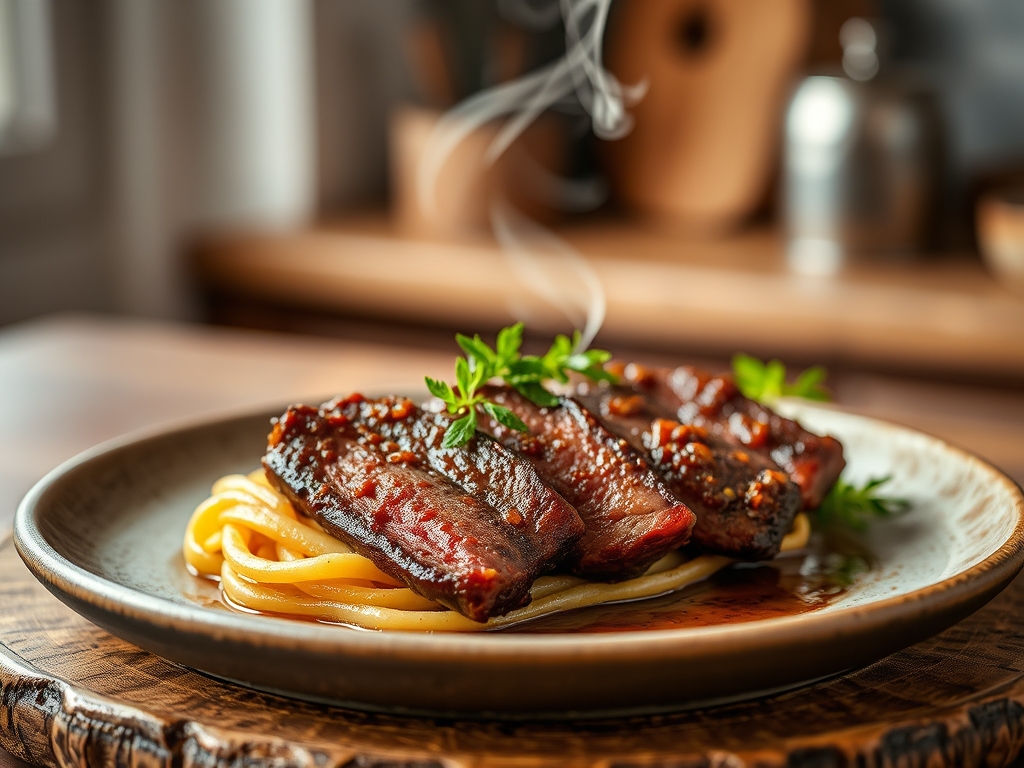
The scent of searing fat hitting a cast iron surface is more than just a signal that dinner is coming; it is a chemical siren song. When we talk about no carb beef recipes, we are not just discussing a diet. We are discussing the mastery of the Maillard reaction, that magical transformation where amino acids and reducing sugars reorganize under high heat to create hundreds of different flavor compounds. It is the difference between a grey, boiled steak and a crusty, umami-packed masterpiece that melts on your tongue.
Beef is the ultimate keto canvas because its cellular structure is designed to hold onto moisture and fat, providing a satiety that poultry simply cannot match. Whether you are craving the snap of a bunless burger or the silky luxury of a slow-braised short rib, the secret lies in the precision of your heat and the quality of your sear. We are stripping away the fillers, the starches, and the sugary glazes to focus on the raw, unadulterated power of bovine protein. Grab your favorite heavy-bottomed skillet and let us dive into the technical beauty of zero-carb cooking.
The Gathers:
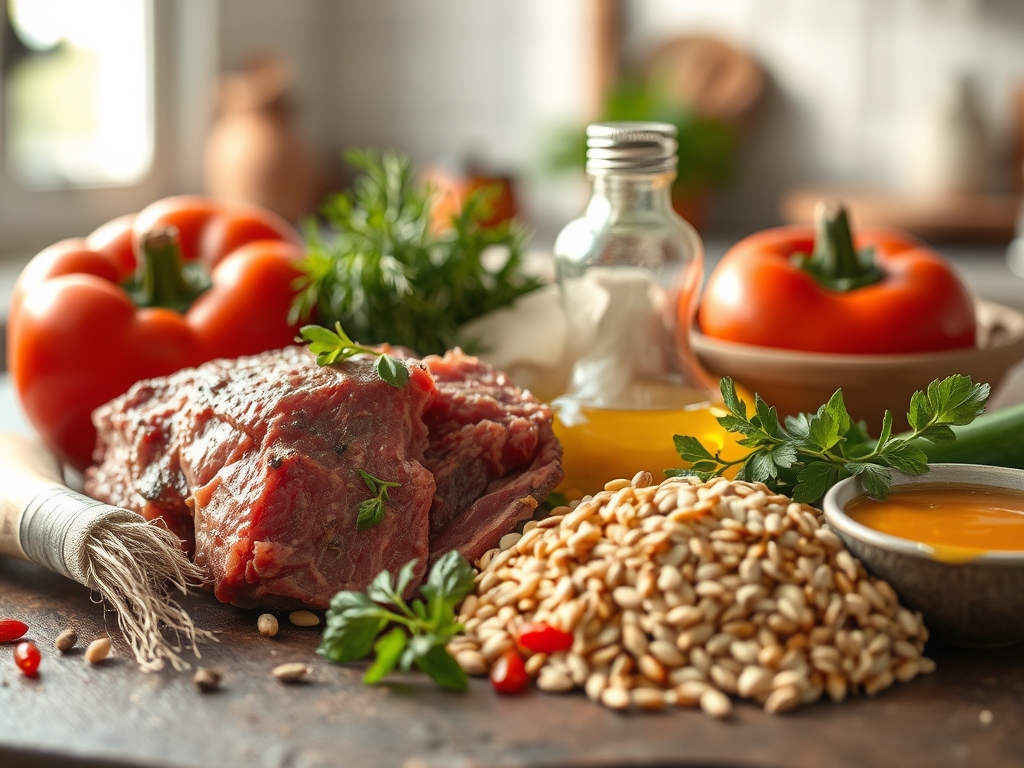
To execute these no carb beef recipes with professional finesse, your mise-en-place must be impeccable. We are looking for high-fat cuts like ribeye, 80/20 ground chuck, and gelatinous oxtail. The science of flavor here relies on fat-soluble compounds; therefore, your aromatics must be prepped to infuse. Use a microplane to zest garlic and ginger into a fine paste, which allows for maximum surface area contact with the hot oil.
For your "Smart Substitutions," forget the cornstarch or flour. If you need to thicken a sauce, we look to emulsification and reduction. Use cold, cubed grass-fed butter or a splash of heavy cream to create a viscous coating that clings to the meat without a single gram of starch. If a recipe calls for breadcrumbs, reach for crushed pork rinds or finely grated parmesan cheese. These swaps do not just save your macros; they add a piquant depth of flavor that traditional fillers lack. Always use a digital scale for your salt; 1.5 percent of the meat's weight is the gold standard for perfect seasoning.
The Clock:
Efficiency in the kitchen is about understanding "Chef's Flow." Most of these recipes require a 15-minute active prep window followed by varied cooking times. A thin skirt steak might only need 6 minutes of total heat, while a brisket requires 8 hours of low-temperature thermal breakdown.
The flow works like this: start with your "long-haul" items first. If you are braising, get that meat in the oven immediately. Use the downtime to sharpen your knives and prep the quick-sear items. By the time your slow-cooked beef is rendering its connective tissue into silky collagen, your pan-seared steaks can be resting. This staggered approach ensures that every component of your meal prep reaches the plate at the optimal temperature.
The Masterclass:
1. The Perfect Sear
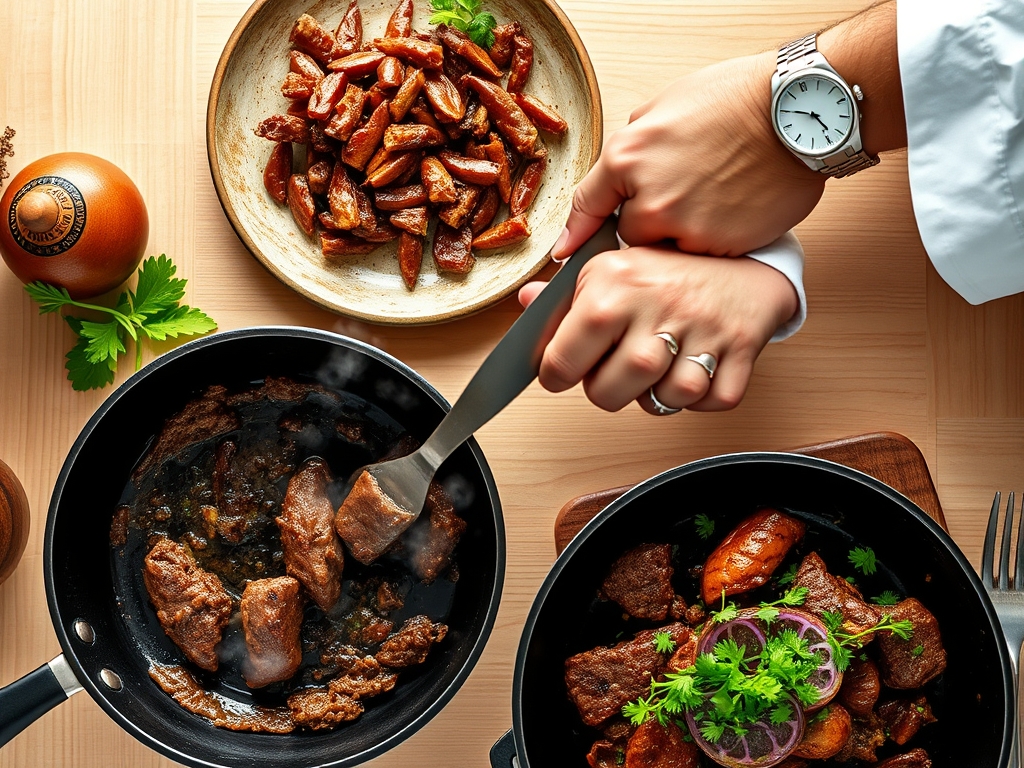
Pat the beef bone-dry with paper towels to remove surface moisture. Place the meat into a shimmering, high-smoke-point oil in a heavy-bottomed skillet. Press down firmly to ensure even contact.
Pro Tip: This prevents the Leidenfrost effect, where a layer of steam actually lifts the meat off the pan, preventing the enzymatic browning necessary for a deep crust.
2. The Deglaze
After removing the meat, you will see brown bits stuck to the pan. This is "fond." Pour in a splash of beef bone broth or dry red wine and use a bench scraper or whisk to lift those particles.
Pro Tip: This process captures concentrated flavor molecules that would otherwise be lost; it is the foundation of a high-fat, zero-carb pan sauce.
3. The Butter Baste
During the final two minutes of cooking, drop a knob of butter, smashed garlic, and thyme into the pan. Use a large spoon to continuously pour the foaming butter over the beef.
Pro Tip: This is known as "arroser." The hot fat acts as a heat transfer medium, ensuring the interior reaches temperature while adding a nutty, toasted flavor profile.
4. The Rest
Transfer the beef to a warm cutting board and wait at least ten minutes before slicing. Use your tongs to move it gently; do not pierce the surface with a fork.
Pro Tip: This allows for thermal carryover, where the internal temperature rises slightly while the muscle fibers relax, reabsorbing the juices so they do not spill out on the board.
5. The Emulsified Finish
Whisk cold butter into your reduced pan juices off the heat. The goal is to create a stable emulsion where the fat is suspended in the liquid.
Pro Tip: If the sauce gets too hot, the emulsion will "break," and the fat will separate. Keep it just warm enough to melt the butter slowly for a glossy finish.
The Deep Dive:
When analyzing the macro nutrition of no carb beef recipes, the focus is on the fat-to-protein ratio. A standard 6-ounce ribeye provides roughly 40 grams of protein and 38 grams of fat with zero net carbs. This ratio is ideal for maintaining ketosis while supporting muscle synthesis. For those looking for dietary swaps, a vegan "beef" substitute usually relies on gluten or soy, which often introduces carbs; stick to mushrooms if you must, but the nutrient density will differ significantly.
The Fix-It: Common Pitfalls
- The Grey Meat Syndrome: Caused by overcrowding the pan. Cook in batches to keep the temperature high.
- The Tough Chew: Usually the result of slicing with the grain. Always slice perpendicular to the muscle fibers to shorten the protein strands.
- The Broken Sauce: If your cream sauce separates, whisk in a teaspoon of warm water and a fresh splash of cream to re-emulsify the fats.
For meal prep, reheating beef is a science. Avoid the microwave, which vibrates water molecules and toughens the protein. Instead, use a saucier to gently warm the beef in a splash of broth over low heat. This maintains the "day-one" juicy texture.
The Wrap-Up:
Mastering no carb beef recipes is about more than just staying in ketosis; it is an invitation to become a better cook. By removing the crutch of starches and sugars, you are forced to focus on technique, temperature control, and the quality of your ingredients. You have the tools, the science, and the "Chef's Flow" to turn a simple cut of meat into a culinary event. Go forth, get that skillet screaming hot, and enjoy the most delicious, fat-fueled version of your life!
The Kitchen Table:
How do I get a crust without flour?
Ensure the beef is bone-dry and the pan is smoking hot. The Maillard reaction occurs between protein and natural fats at high temperatures. Use a heavy cast iron skillet to maintain consistent heat for that perfect, crunchy exterior.
What is the best cut for no-carb cooking?
Ribeye and 80/20 ground beef are superior for keto. They provide the necessary fat for satiety and flavor. For slow cooking, choose brisket or short ribs, as their high collagen content transforms into silky, carb-free gelatin.
Can I use garlic and onions?
In moderation. While they contain small amounts of carbs, using them to infuse oil or as a dry rub adds massive flavor without significantly impacting your daily macros. Use a microplane to distribute them evenly for maximum impact.
How do I stop my steak from being dry?
Never skip the resting phase. Resting allows the internal juices to redistribute throughout the muscle fibers. If you cut it too soon, the moisture escapes, leaving the meat tough and parched regardless of how much fat it contains.