
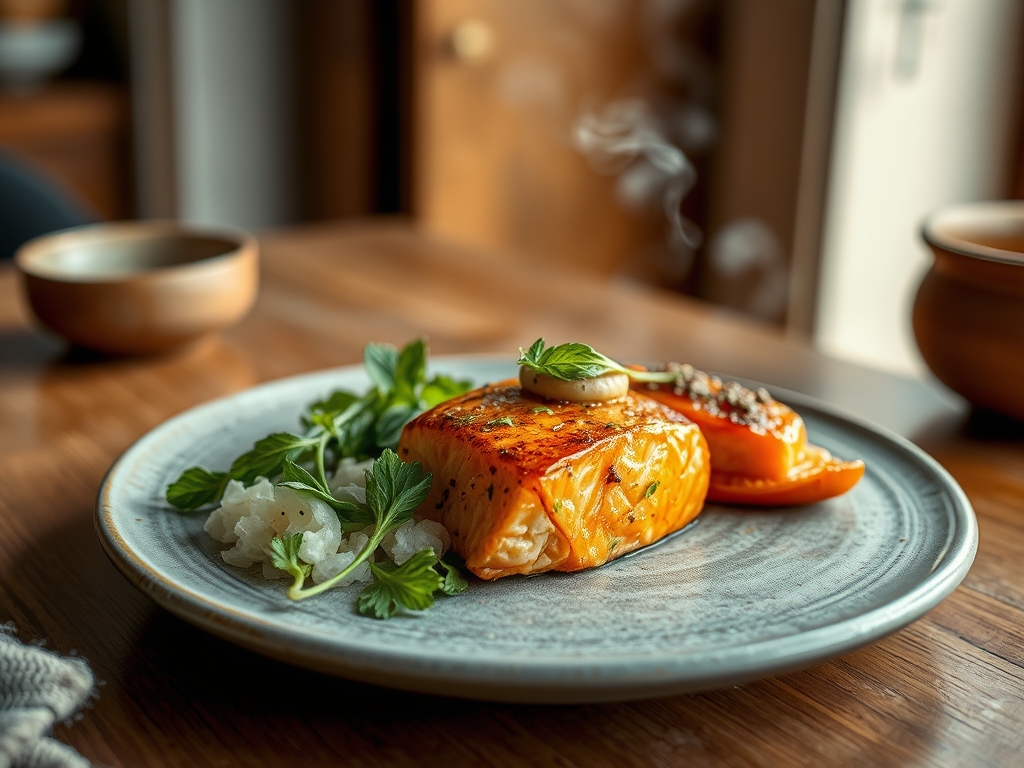
Picture a heavy-bottomed skillet resting on a blue flame; the air is thick with the scent of caramelizing sugars and the sharp, piquant sting of Thai bird's eye chilies. When you drop a fresh fillet into that shimmering oil, you are not just making dinner. You are initiating a high-stakes chemical transformation. Mastering sweet chili salmon recipes is about more than just a bottle of sauce; it is about balancing the volatile oils of the chili with the fatty, decadent texture of the fish. We are chasing that specific, lacquered finish that shatters under a fork to reveal a tender, translucent center. It is the ultimate weeknight flex. It is fast, it is sophisticated, and it relies on the beautiful marriage of heat and honey. If you have ever struggled with a soggy crust or a dry interior, take a breath. We are going to break down the molecular mechanics of the glaze and the thermal dynamics of the sear. By the time we are done, you will be handling your salmon with the confidence of a line cook and the finesse of a food stylist.
The Gathers:
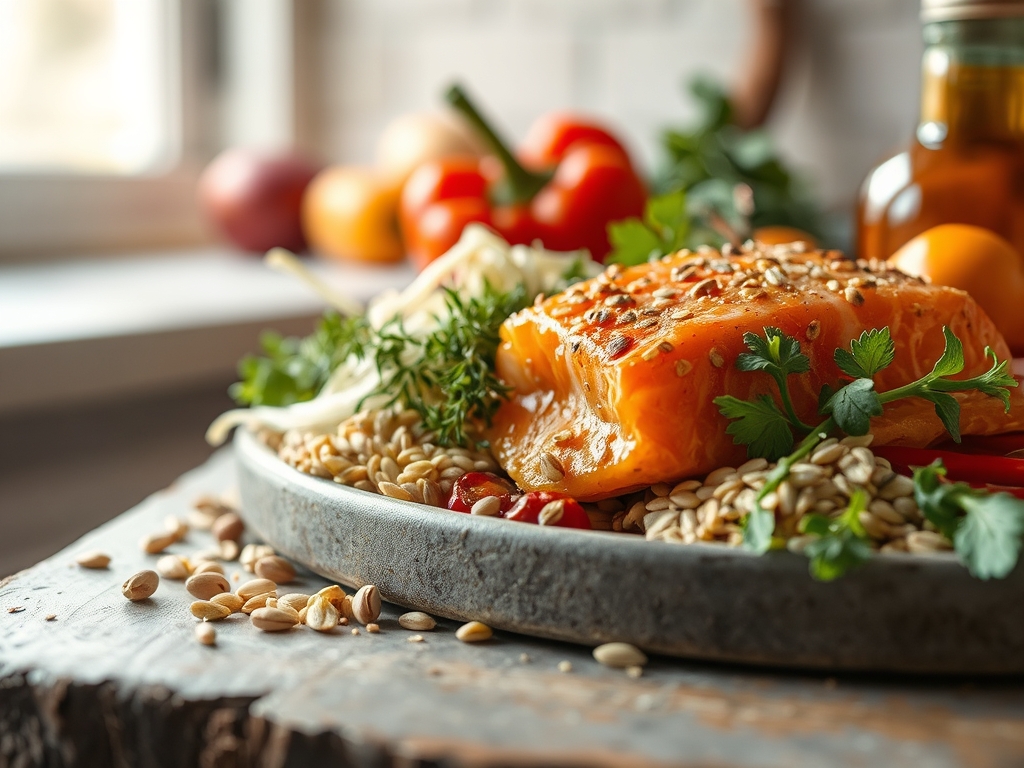
To execute these sweet chili salmon recipes with precision, your mise-en-place must be impeccable. We start with the protein: six-ounce center-cut fillets. Look for vibrant color and firm flesh; this indicates a high concentration of astaxanthin, the antioxidant that gives salmon its hue. For the glaze, you need a viscous base. We are looking for a high-quality sweet chili sauce, but we will elevate it with fresh aromatics.
Gather your tools: a microplane for zesting, a heavy-bottomed skillet (cast iron or carbon steel is best for heat retention), and a digital scale for precise seasoning. You will need fresh ginger, garlic, and lime. The ginger contains protease enzymes that can actually tenderize the surface of the fish if marinated briefly.
Smart Substitutions: If you are watching your refined sugar intake, swap the traditional sauce for a mixture of rice vinegar, red pepper flakes, and liquid monk fruit. If you are out of fresh ginger, a dash of ground galangal offers a similar earthy heat. For those avoiding soy, coconut aminos provide that essential umami backbone without the gluten or soy allergens. Always ensure your salmon is patted bone-dry with a paper towel before it touches the pan; moisture is the enemy of the Maillard reaction.
The Clock
Efficiency in the kitchen is about "Chef's Flow." This is the art of overlapping tasks so that nothing sits idle. For these sweet chili salmon recipes, your total active time is roughly 15 minutes, with a cook time of 8 to 10 minutes depending on thickness.
0-5 Minutes: The Prep. While your skillet preheats, zest your citrus and grate your aromatics. This allows the volatile oils in the garlic and ginger to bloom.
5-7 Minutes: The Sear. This is the high-heat phase where we render the fat and develop the crust.
7-12 Minutes: The Glaze and Finish. We reduce the heat to prevent the sugars from scorching while the internal temperature climbs to a perfect 125 degrees Fahrenheit.
12-15 Minutes: The Rest. Carryover cooking is a scientific fact. Let the fish sit; the muscle fibers will relax and reabsorb the juices.
The Masterclass
1. Temper and Dry the Protein
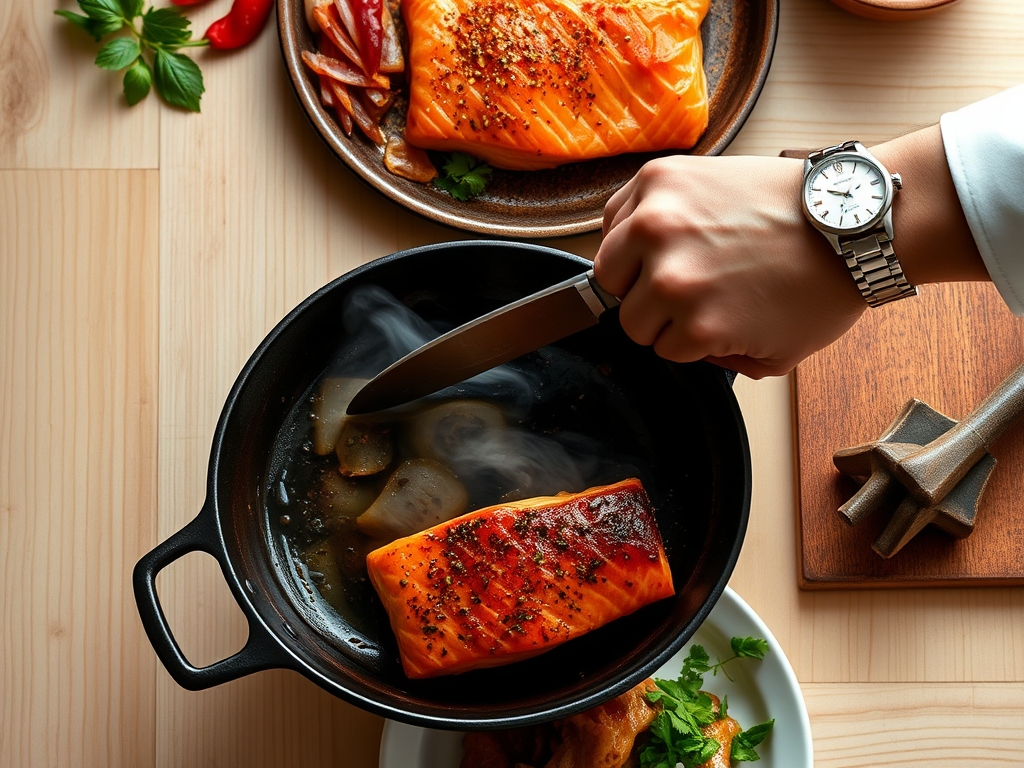
Remove your salmon from the refrigerator 20 minutes before cooking. Cold protein hitting a hot pan causes the muscle fibers to contract violently, squeezing out moisture. Use a paper towel to remove every trace of surface water.
Pro Tip: This prevents the formation of steam. Steam occurs at 212 degrees Fahrenheit, but the Maillard reaction (browning) requires temperatures above 300 degrees. Dry fish equals a better crust.
2. Season with Precision
Dust the skin side with kosher salt and a pinch of cornstarch. The cornstarch acts as a desiccant, absorbing any remaining moisture and creating a glass-like crunch once it hits the oil.
Pro Tip: Salt acts as a denaturant. It begins to break down the tightly wound proteins on the surface, allowing them to brown more evenly and deeply.
3. The High-Heat Sear
Heat your skillet until the oil shimmering. Place the salmon skin-side down and press firmly with a flexible fish spatula for 30 seconds. This prevents the skin from curling as the collagen shrinks.
Pro Tip: Pressing the fish ensures maximum surface contact. This facilitates even heat distribution through conduction, which is more efficient than the convection of the surrounding air.
4. Infuse the Aromatics
Once you flip the fish, toss in your minced garlic and ginger. Move them around with tongs so they infuse the oil without burning. The fat in the pan acts as a solvent, extracting the fat-soluble flavor compounds from the aromatics.
Pro Tip: Garlic contains allicin, which is highly heat-sensitive. Adding it halfway through the cook time ensures you get the flavor without the bitter notes of over-toasted bits.
5. Deglaze and Lacquer
Pour your sweet chili mixture directly into the pan. Use a spoon to continuously baste the salmon. The liquid will deglaze the pan, picking up the fond (those delicious brown bits) and incorporating them into the sauce.
Pro Tip: As the water evaporates from the sauce, the sugar concentration increases. This creates a viscous glaze that clings to the fish through surface tension.
6. The Thermal Rest
Remove the salmon when the internal temperature hits 125 degrees Fahrenheit on a digital thermometer. Place it on a warm plate and pour the remaining pan sauce over it.
Pro Tip: Thermal carryover will raise the internal temperature by another 5 to 7 degrees. Resting allows the protein structures to stabilize, ensuring the juices stay inside the fish rather than on your plate.
The Deep Dive
When we look at the macro profile of sweet chili salmon recipes, we are seeing a powerhouse of nutrition. A standard serving offers roughly 34 grams of high-quality protein and a significant dose of Omega-3 fatty acids, which are essential for brain health. However, the glaze does introduce simple carbohydrates.
Dietary Swaps: To make this Keto-friendly, use a sugar-free chili sauce and serve over cauliflower rice. For a Vegan "salmon" alternative, use thick slabs of tofu or "watermelon tuna," though you will need to adjust the sear time as plant proteins do not render fat in the same way. For Gluten-Free needs, simply ensure your chili sauce is labeled GF and use Tamari instead of soy sauce.
The Fix-It:
- The Glaze is Burnt: This happens when the pan is too hot. Fix it by immediately adding a splash of water or rice vinegar to lower the temperature and thin the sugars.
- The Skin is Soggy: You likely didn't dry the fish enough or the pan wasn't hot enough. Next time, use a stainless steel or cast iron pan and wait for the "whisper of smoke."
- The Salmon is Dry: You bypassed the carryover cooking stage. Always pull the fish 5 degrees before your target temperature.
Meal Prep: To reheat without losing that "day-one" quality, avoid the microwave. The microwave agitates water molecules, which can make the fish rubbery. Instead, place the salmon in a covered pan with a tablespoon of water over low heat. This creates a gentle steam bath that rehydrates the protein without overcooking it.
The Wrap-Up
There is a reason sweet chili salmon recipes remain a staple in the modern kitchen. They represent the perfect intersection of ease and elegance. By understanding the science of the sear and the chemistry of the glaze, you have moved beyond following a recipe to mastering a technique. You now know how to manipulate heat to create texture and how to use aromatics to build depth. Whether you are serving this over a bed of coconut rice or a crisp cucumber salad, the result is the same: a vibrant, restaurant-quality meal that nourishes the body and impresses the palate. Now, grab your skillet and go make some magic.
The Kitchen Table
Can I use frozen salmon for this recipe?
Yes, but you must thaw it completely in the refrigerator and pat it extremely dry. Frozen fish often releases more albumin (the white protein), so a quick brine in salt water can help minimize this during cooking.
How do I stop the sauce from burning?
Add the sweet chili sauce only during the last two minutes of cooking. The high sugar content means it carmelizes rapidly; keeping the heat at medium-low during this stage prevents the sugars from carbonizing and becoming bitter.
What is the best side dish for this?
Balance the sweetness with acidity or crunch. A smashed cucumber salad with rice vinegar or steamed bok choy with sesame oil works beautifully. These sides provide a refreshing counterpoint to the rich, fatty profile of the glazed salmon.
How long does leftover salmon stay fresh?
Store leftovers in an airtight container for up to two days. Because salmon is high in fat, the oils can oxidize quickly, so it is best enjoyed sooner rather than later to maintain the flavor profile.